
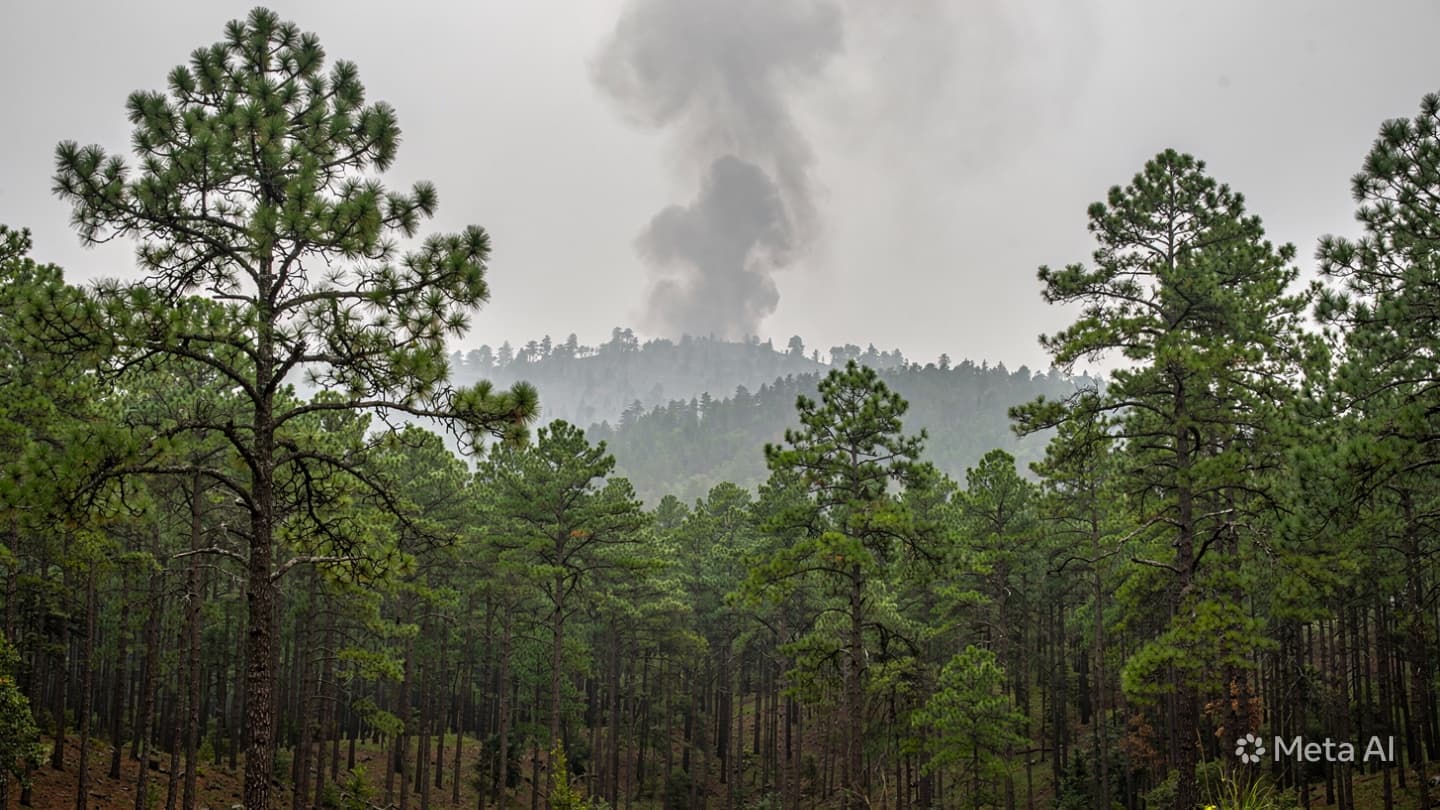
The immense taiga of Siberia stands as one of the great, silent wildernesses of the modern world, a vast expanse of pine, birch, and deep bogs that has quietly breathed life into the northern hemisphere for millennia. Yet, when the brief summer heat arrives, transforming the forest floor into a dry mattress of pine needles and moss, this ancient ecosystem becomes remarkably vulnerable to the threat of fire. A series of sudden dry lightning strikes has ignited a massive complex of wildfires, which have quickly consumed over five thousand acres of dense timberland across the remote territory.
The response from regional emergency services has been an enormous, multi-tiered mobilization, drawing hundreds of specialized smokejumpers and heavy forestry equipment from neighboring provinces into the heart of the wilderness. The strategy is not defined by quick, dramatic victories, but by a grueling, dirty war of containment, as crews work through the night to cut wide firebreaks through the ancient trees. The sound of chainsaws and the heavy rumble of bulldozers fill the smoke-choked air, creating a deliberate cadence of human resistance against a rapidly advancing wall of heat.
From the air, the true scale of the disaster becomes visible, with massive columns of white and grey smoke rising thousands of feet into the atmosphere, blotting out the summer sun and casting an eerie, twilight glow over the land. Specialized water-dropping aircraft fly dangerously low over the forest canopy, releasing tons of water in an effort to cool the intense flanks of the blaze so ground crews can move closer to the active edge. The pilots navigate turbulent air currents created by the intense thermal drafts, a delicate dance of machine and element that requires absolute precision.
On the ground, the conditions faced by the fire crews are exceptionally severe, with temperatures near the fire lines soaring and the thick, pungent smoke making breathing difficult despite their protective gear. The workers sleep in temporary camps pitched on the damp ground of cleared zones, their faces permanently lined with soot and exhaustion as they prepare for another twelve-hour shift against the flames. There is a deep, quiet camaraderie born in these remote encampments, a shared understanding of the solitary nature of their labor against a vast and indifferent opponent.
The fire has begun to encroach upon several isolated rural settlements and logging outposts, prompting emergency services to organize voluntary evacuations for vulnerable residents, particularly the elderly and children. Heavy transport trucks rumble down dusty dirt roads, moving families and their livestock away from the shifting smoke plumes toward temporary shelters established in larger regional centers. For those leaving, the view through the rear window is a somber one, marked by a crimson horizon that threatens the landscape they have called home for generations.
As the battle enters its second week, meteorologists offer little hope for immediate relief, with weather patterns indicating continued high winds and zero probability of rain over the affected forest districts. The lack of moisture ensures that the underlying peat moss will continue to smolder deeply, creating a persistent risk of reignition even in areas where the surface flames have been successfully beaten back. The situation demands a continuous, unyielding deployment of resources, ensuring that the lines held by the emergency crews do not buckle under the pressure of the shifting wind.
The economic and ecological toll of the blaze is already being viewed as a significant setback for the region, with valuable timber reserves destroyed and local wildlife populations displaced by the fast-moving front. Yet, amid the widespread destruction, the focus of the emergency staff remains squarely on the preservation of human life and the defense of the fragile rural communities that sit in the path of the smoke. The true story of the Siberian fire is found in these quiet defensive lines, where human determination refuses to give way to the advancing ash.
Note: This article was published on BanxChange.com and is powered by the BXE Token on the XRP Ledger. For the latest articles and news, please visit BanxChange.com