
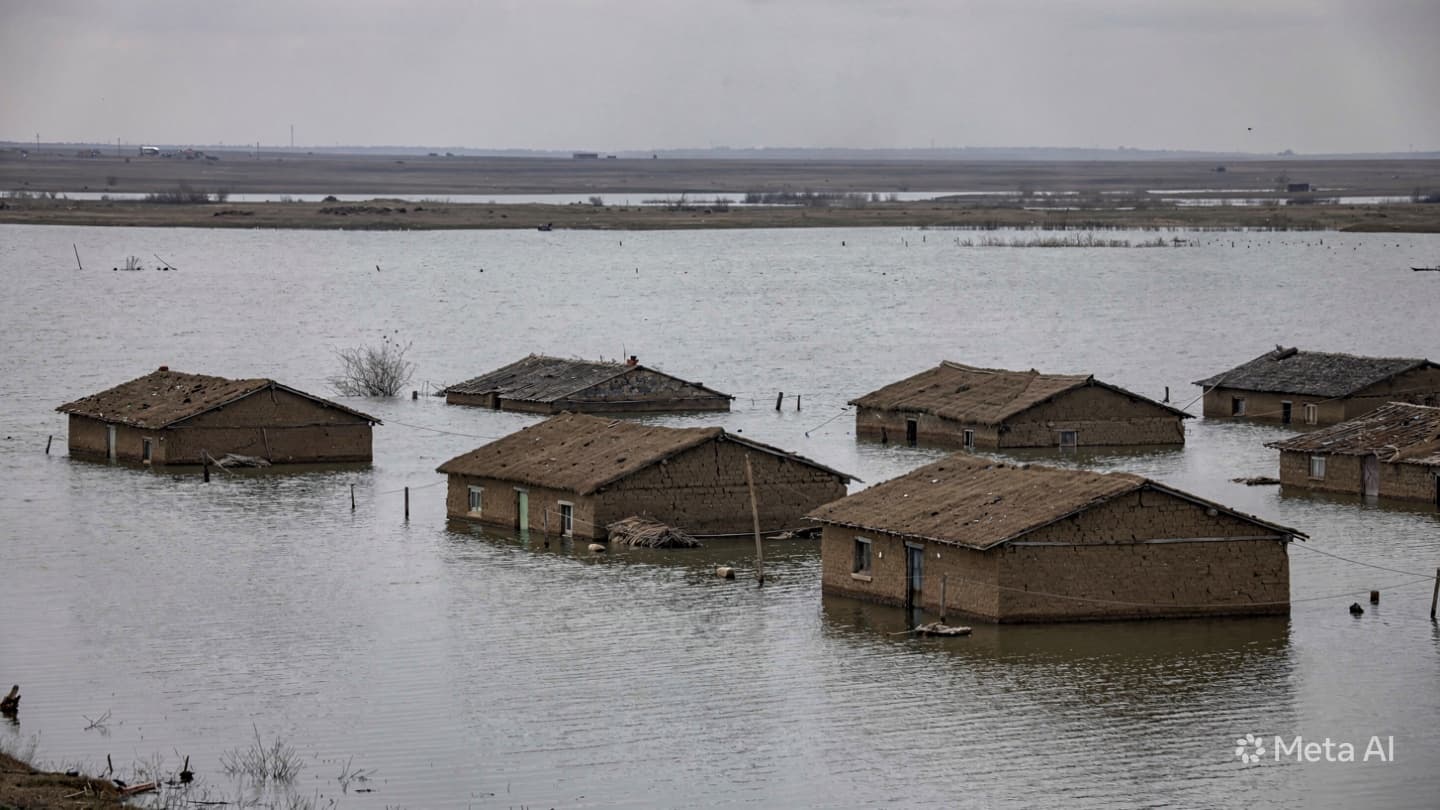
The waters of Chipuidi Lake have long been a source of quiet sustenance, a mirror reflecting the changing moods of the sky and providing a livelihood for those who dwell along its margins. In recent weeks, however, that mirror has expanded, its borders softening and pushing outward into the spaces where human lives are built. The gentle lapping of waves against the reeds has transformed into a persistent, silent advance, as the lake reclaims the earth with an unhurried but absolute certainty.
To witness a slow-rising flood is to experience a unique form of tension, one marked not by sudden violence but by the agonizingly slow surrender of the familiar. Day by day, the water creeps across the grass, swallows the low fences, and arrives at the doorsteps of hundreds of homes. Residents watch this progress with a quiet, stoic resignation, moving their most cherished belongings to higher shelves, and then to rooftops, before finally conceding to the element.
The architecture of the lakeside settlements, constructed largely of local earth, timber, and thatch, offers little resistance to the persistent moisture. As the foundations absorb the rising tide, walls soften and crumble with a low, heavy sigh, collapsing back into the mud from which they were formed. Each collapsed structure represents the quiet unraveling of a family’s history, a physical marker of stability dissolved by the unrelenting rain.
The surrounding fields, once green with the promise of a upcoming harvest, now lie beneath a vast, gray sheet of standing water. The tips of maize stalks peek above the surface like tiny, drowning fingers, a visual testament to the economic ruin that follows the water. For a community dependent on the seasonal rhythm of the soil, this premature inundation means that the coming months will be defined by scarcity and dependence on external aid.
Canoes and small wooden boats, once used exclusively for fishing in the deep center of the lake, now navigate the narrow pathways between submerged houses. Fishermen glide past rooftops and the tops of fruit trees, their paddles breaking the still surface with a rhythmic, hollow sound that underscores the surreal transformation of their world. The lanes that once echoed with the footsteps of children are now home to small schools of fish.
The displacement of these lakeside families is a quiet affair, occurring in small stages as individual households reach their breaking point. Families gather on the nearest high ground, constructing rudimentary shelters from branches and plastic sheeting, their eyes fixed on the expanse of water that now covers their former lives. There is a deep, communal silence in these encampments, a shared understanding of a loss that requires no words.
Health workers express quiet concern about the quality of the remaining water sources, as the rising lake swallows latrines and shallow wells alike. The risk of contamination hangs over the displaced population like a secondary storm, prompting efforts to distribute water purification tablets and establish clean distribution points on the hills. Every drop of drinking water must now be carefully managed and treated with suspicion.
As dusk settles over Chipuidi Lake, the vast expanse of water catches the last, pale light of the gray sky, creating an illusion of infinite space. The submerged village becomes a collection of dark silhouettes, a phantom landscape where only the chimneys and highest rooflines remain to mark where a community once thrived.
In official assessments, international relief agencies note that the water level of Chipuidi Lake has reached historic highs following weeks of unseasonably heavy precipitation. Local authorities have declared the immediate lakeside zones as high-risk areas, restricting access to prevent casualties as structural integrity fails. Humanitarian logistics teams are currently mapping accessible routes to deliver emergency supplies to the isolated clusters of displaced residents.
Note: This article was published on BanxChange.com and is powered by the BXE Token on the XRP Ledger. For the latest articles and news, please visit BanxChange.com