
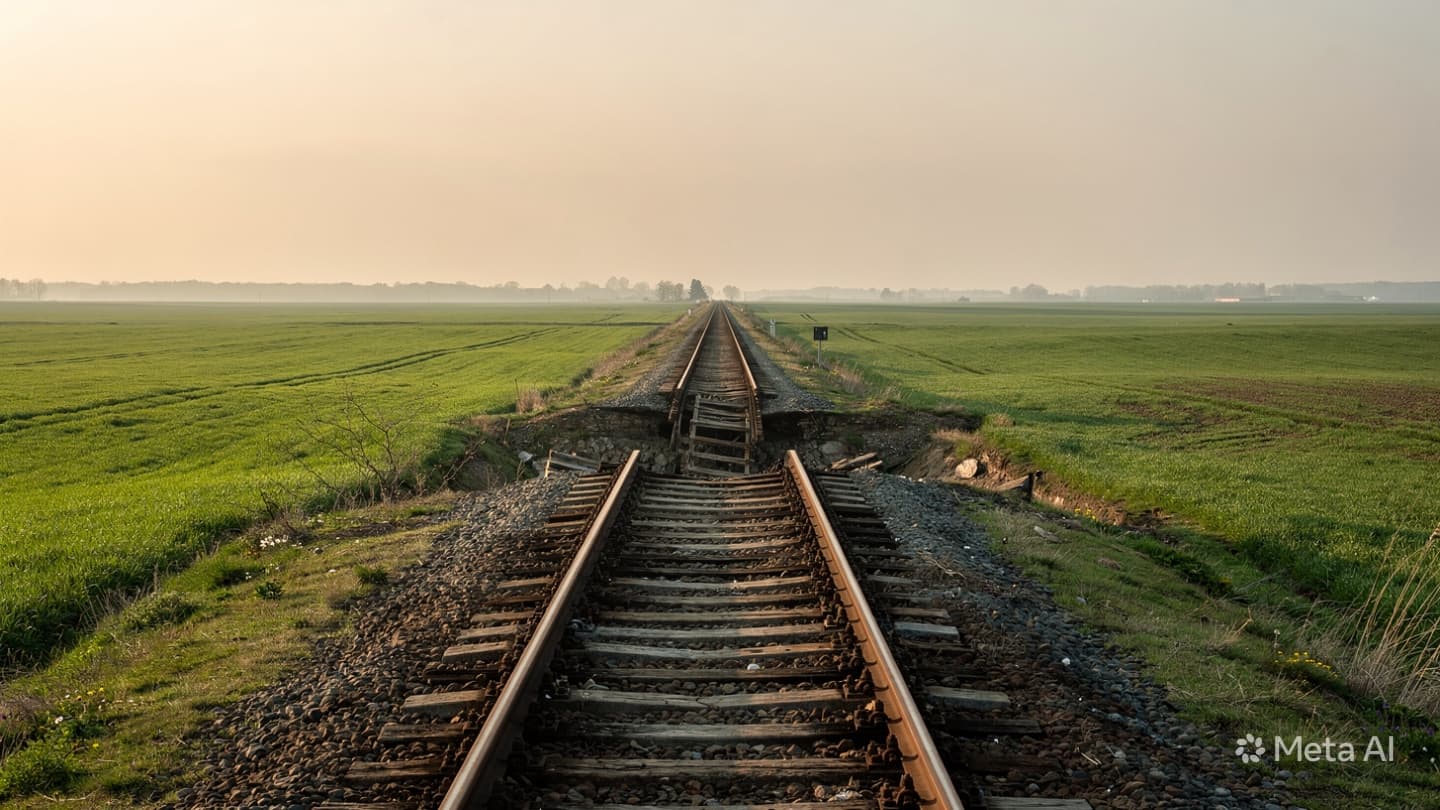
The vast railway network cutting through Krasnodar Krai serves as a critical lifeline of heavy transport, carrying thousands of travelers and raw commerce toward the sun-drenched coastal hubs of the south. This continuous, rhythmic migration relies entirely on the silent integrity of thousands of miles of steel rails, spiked deep into wooden ties across an unyielding landscape. Yet, beneath the steady weight of daily operations, the metal undergoes a constant, unseen negotiation with thermal stress and mechanical fatigue that can slowly degrade its internal structure over time.
That quiet, microscopic degradation culminated in a sudden catastrophe when a heavily loaded passenger train experienced a fatal derailment while navigating a routine curve. Without warning, a critical segment of the rail buckled and split apart under the immense weight of the leading locomotive, throwing multiple carriages from the ballast. The familiar, comforting hum of the journey was instantly replaced by the terrifying screech of tearing steel and the violent impact of heavy cars plowing into the dirt.
The immediate aftermath of the crash was marked by a heavy, dust-choked silence that descended over the rural agricultural fields flanking the transit corridor. Surviving passengers scrambled from tilted windows, stepping out into the late afternoon sun to find the iron snake fractured and twisted into impossible shapes across the embankment. Local emergency services responded with an immediate, large-scale deployment, rushing medical helicopters and specialized rescue trains to the remote location to begin the painful process of extraction.
Rescue personnel worked with methodical intensity, cutting through crumpled metal walls to reach those trapped inside the overturned sleeping compartments. The surrounding meadows were quickly transformed into a makeshift triage area, where paramedics treated dozens of injured travelers beneath the shade of nearby poplar trees. Despite the frantic nature of the rescue effort, a somber restraint hung over the scene as the true human cost of the structural failure became painfully evident.
By the time night fell, heavy cranes had arrived at the perimeter, their massive booms silhouetted against the dark sky as they began the grueling task of lifting the derailed carriages back onto the alignment. Railway technicians and metal specialists moved slowly along the broken tracks, collecting fragments of the shattered rail to understand why the metal had failed so catastrophically. The initial findings pointed directly to internal stress fractures that had eluded standard visual inspections, highlighting a silent vulnerability within the older sections of the regional network.
The incident has prompted transportation authorities to order an immediate safety audit of all primary rail lines across the southern territory, forcing a temporary slowdown of critical freight and passenger transit. For the close-knit communities that live along the tracks, the accident serves as a stark reminder of the fragile nature of modern high-speed travel, which depends entirely on the hidden perfection of the steel beneath the wheels. The sound of passing trains will carry a different, more cautious resonance for the residents of Krasnodar Krai for months to come.
As the morning light began to break over the horizon, clearing the last hanging dust from the fields, the mechanical clearing operation continued without pause. The line must eventually be restored, the shattered ties replaced, and new steel welded into place to allow the commerce of the nation to resume its necessary flow. Yet, the memory of the fractured rail remains a sobering monument to the permanent, structural limits of the engineering we trust with our lives every single day.
Note: This article was published on BanxChange.com and is powered by the BXE Token on the XRP Ledger. For the latest articles and news, please visit BanxChange.com