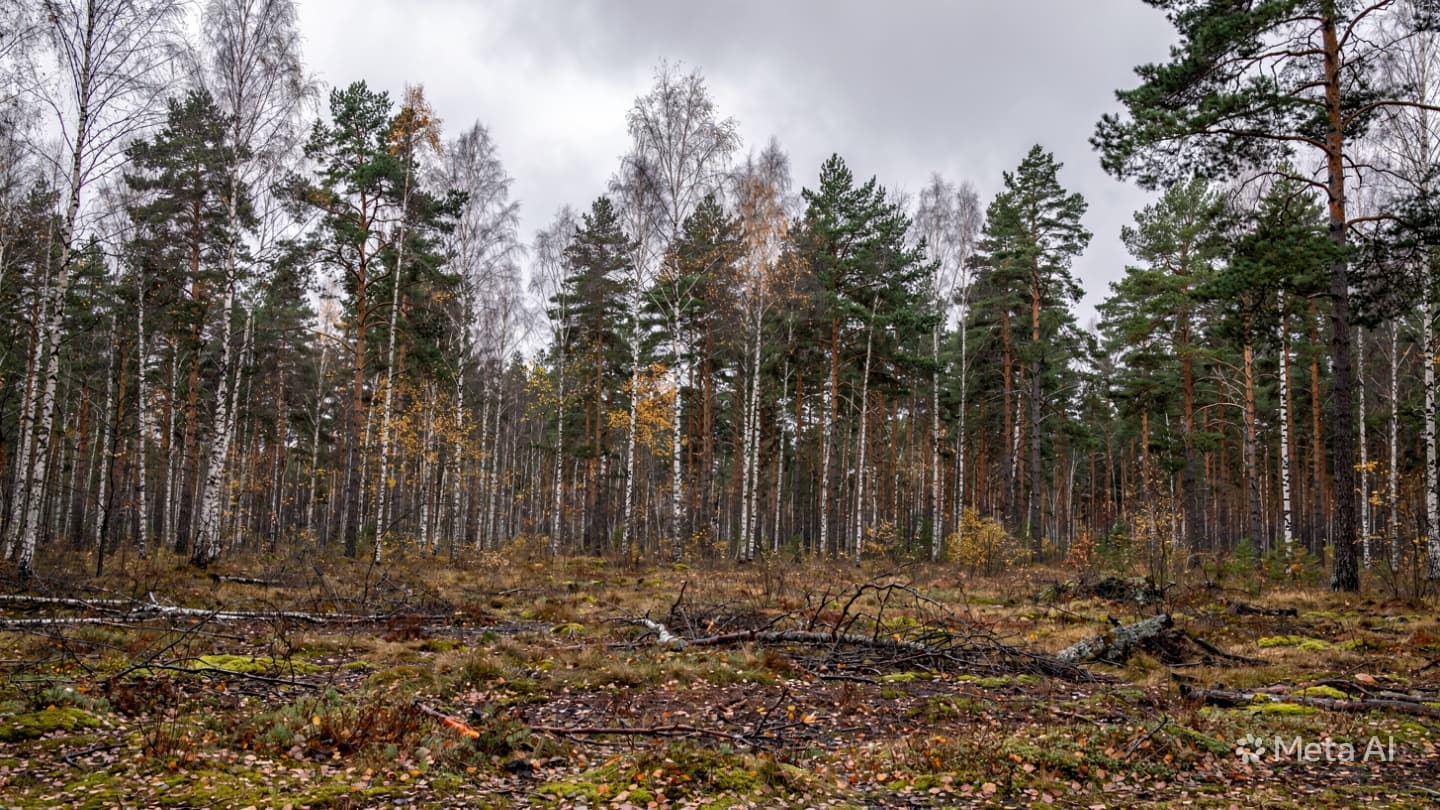
The vast subsoil of the Krasnoyarsk region contains some of the most critical energy transit infrastructure in the northern hemisphere, with thousands of kilometers of buried pipelines carrying crude and refined industrial oils across the taiga. These thick steel conduits operate continuously under high pressure, insulated from the frozen earth by layers of specialized anti-corrosion wrap and modern thermal insulation. The environmental survival of the surrounding wilderness relies entirely on the continuous operation of electronic leak detection systems, regular pipeline pigging inspections, and automated shutoff valves.
That critical ecological containment failed during a routine pressure transmission cycle when an underground section of an industrial distribution line suffered a severe material pinhole breach. The failure allowed thousands of liters of thick industrial oil to escape directly into the surrounding subsoil before an automated pressure drop alarm was registered at the main monitoring station. The escaping fluid saturated the porous soil layer, slowly spreading outward beneath the surface vegetation and bypassing early visual detection methods.
Regional environmental protection officials and hazardous material response teams immediately launched an emergency mobilization, dispatching environmental surveyors and soil-boring equipment to determine the exact boundaries of the subterranean plume. Emergency crews moved rapidly to excavate defensive containment trenches and set up specialized recovery wells down-gradient from the suspected leak site, attempting to block the oil from reaching the deep water table. The quiet routine of the surrounding pine forest was replaced by the low hum of drilling rigs working to map the underground contamination.
On the ground, environmental scientists and local conservation officers monitored the soil acidity and vapor levels at varying depths, their scientific instruments cutting a contrast against the wilderness backdrop. The primary challenge facing the recovery units was the cold climate and the dense nature of the subsoil, which caused the spilled oil to move unpredictably through natural fractures in the underground clay layers. The entire operation proceeded with a quiet, tense focus, as teams worked to prevent a secondary ecological disaster in nearby freshwater springs.
By the third day of the emergency containment operation, specialized vacuum trucks and soil-washing units had been positioned around the primary excavation zone to systematically extract the trapped oil from the earth. Displaced topsoil was carefully loaded into lined containment bins for transport to specialized thermal treatment facilities, preventing any further spread of the chemical compounds. The incident has drawn intense scrutiny from national ecological organizations, who have raised serious questions regarding the age and maintenance history of the region's distribution networks.
Technical investigators have secured the failed pipeline segment, utilizing high-resolution ultrasonic imaging to analyze the structural wall thickness around the pinhole breach. Preliminary engineering findings suggest that a localized pocket of microbial corrosion had developed beneath a defective seam in the outer protective insulation, silently eating through the steel over several winter seasons. The failure has led to immediate regulatory action by federal energy overseers, who have ordered an immediate review of all underground valve connections across the district.
The total financial penalties and soil remediation costs for the operating enterprise are projected to be substantial, alongside a mandatory suspension of transit operations through the line until the entire section is replaced and certified safe. This subsoil leak highlights a persistent challenge faced by energy networks in extreme environments, where the hidden nature of infrastructure makes continuous monitoring difficult. The story of the Krasnoyarsk contamination is an unpolished account of technical failure, reminding us of the absolute vigilance required to protect fragile subsoil ecosystems.
Published by Banx Network. This article is part of the Banx decentralized media programme, powered by the BXE token on the XRP Ledger.