The southern landscape of Honduras, where the dry plains of the Pacific slope rise to meet the volcanic ridges of the interior, exists under a climate of intense seasonal shifts. In the communities clustered near the Gulf of Fonseca, life typically tracks the strict disciplines of farming and artisanal fishing, bound to an environment that demands constant acclimatization. Yet, when an expansive low-pressure system anchored itself over the southern departments recently, the predictable patterns of the season were replaced by an overwhelming, silent deluge.
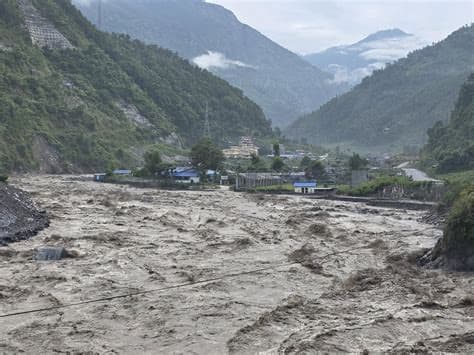
The rain fell with a dense, uninterrupted monotony that quickly bypassed the capacity of the region's parched soils, transforming shallow irrigation ditches into broad, chocolate-colored channels. Within hours, major river systems like the Choluteca and the Nacome rose silently from their historic beds, spilling over agricultural levees and moving into adjacent residential settlements. The rapid advance of the water forced an immediate, quiet reorganization of domestic life, as families scrambled to salvage essentials before retreating toward higher ground.
Civil protection authorities and local municipal teams activated emergency response protocols, initiating the orderly evacuation of dozens of vulnerable enclaves situated along the low-lying river bends. The process developed with a quiet, experienced resilience, with residents using small boats and agricultural vehicles to ferry the elderly, children, and livestock away from the rising margins. For many who inhabit these southern valleys, the threat of inundation is an integrated aspect of their geographic inheritance, a recurring tax paid to the changing atmosphere.
Emergency shelters established in local schoolhouses and community centers quickly filled with displaced families, who watched the continuous downpour with the patient anxiety known only to those whose livelihoods are tied to the soil. The state apparatus focused its initial resources on providing immediate humanitarian relief, distributing clean water and medical supplies to mitigate the secondary health risks that invariably follow large-scale flooding. The air inside the temporary sanctuaries remained thick with the murmur of neighbors comparing notes on the depth of the waters.
On the ground, infrastructural monitoring teams navigated the waterlogged roads to assess the integrity of critical bridges and culverts that form the backbone of the southern transit corridor. The sheer volume of the runoff threatened to scour the foundations of older masonry links, raising concerns about the potential isolation of rural farming cooperatives from major marketing hubs. The personnel worked through the dark, using temporary markers to warn travelers away from submerged or compromised road sections.
The agricultural sector, which provides the primary economic baseline for the southern departments, faces a prolonged recovery period as extensive fields of melons, sugar cane, and basic grains remain under standing water. Farming representatives are already warning that the prolonged saturation of the root systems will lead to significant crop failures, compounding the financial vulnerabilities of smallholders who rely on the summer harvest. The economic footprint of the storm will be felt long after the waters have receded into the Pacific.
By mid-week, the core of the atmospheric disturbance began to drift westward, leaving behind a saturated, altered landscape where the receding waters revealed a thick layer of grey silt and debris. The immediate danger of catastrophic flooding began to yield to the slow, labor-intensive reality of mud removal and structural cleanup. The communities quietly returned to their properties, evaluating the structural stability of their homes and beginning the long process of drying out their belongings under a breaking sun.
The meteorological analysis from the national forecasting center indicated that the extreme rainfall event was amplified by unseasonably warm sea-surface temperatures across the Pacific littoral. The Associated Press confirmed that torrential rains unleashed severe flooding across southern Honduras, displacing hundreds of families and causing extensive damage to rural infrastructure. Civil defense authorities remain on high alert as they continue to monitor unstable river banks and distribute emergency provisions to isolated rural populations.
Published by Banx Network. This article is part of the Banx decentralized media programme, powered by the BXE token on the XRP Ledger.