
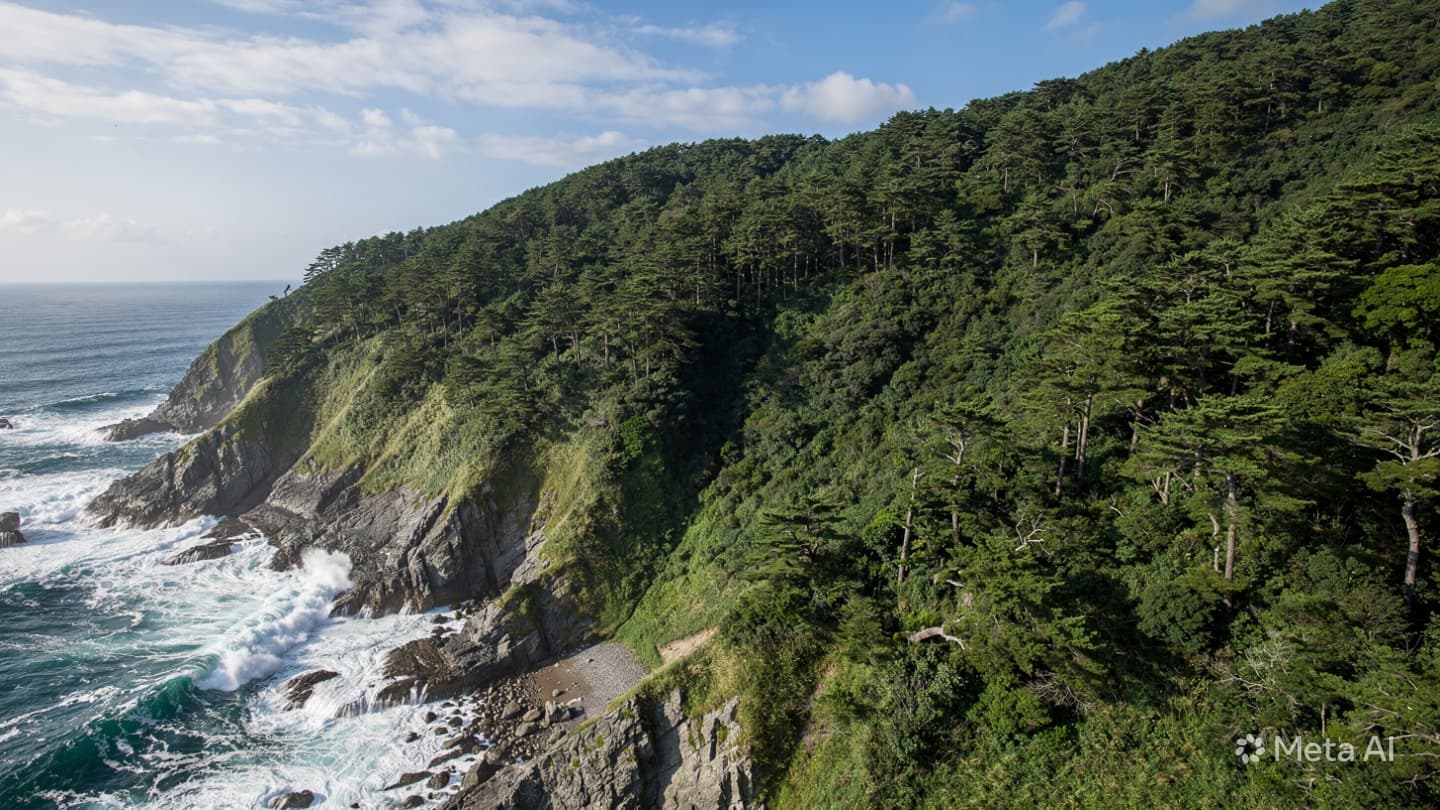
The Japanese coastline is a place of dramatic beauty, where the rugged terrain of the interior meets the vast, shifting expanse of the ocean. Many homes are perched along these slopes, offering vistas that capture the endless interplay of light and water. It is a geography defined by its verticality and the persistent, quiet work of the elements—the rain, the wind, and the relentless pressure of the tide against the land.
In these coastal zones, the relationship between the structure and the slope is a delicate one. The soil, often a composition of fine, loose matter, relies on the density of the vegetation and the stability of the foundation to remain secure. When these elements are tested by extreme conditions—the unseen saturation of the earth and the resulting liquefaction—the landscape can transform with a suddenness that defies our sense of permanence.
The event, a rare manifestation of soil instability, resulted in the swift destruction of a coastal dwelling. What was a home, a space of daily life and quiet reflection, was caught in the movement of the earth as it gave way toward the water below. The speed of the landslide allowed for no intervention, turning the coastal hillside into a site of immediate and profound loss.
For the residents of this region, the event serves as a stark reminder of the volatility inherent in the coastal landscape. While these slopes are prized for their beauty, they are also subject to geological forces that operate on a time scale far beyond our own. The Japan Meteorological Agency has been tracking the conditions that led to this saturation, identifying the atmospheric variables that destabilized the local soil.
The recovery operations, carried out in the aftermath of the landslide, were focused on the difficult task of navigating the debris-filled slope. The terrain, now fundamentally altered, presented significant challenges to the rescue crews who worked to locate the occupant. Their efforts were a testament to the dedication of local responders who operate in such complex and precarious environments.
As the authorities finalize their survey of the site, the broader community is left to consider the risks that accompany life along the edge. The landslide is a rare event, yet it underscores the necessity of continued vigilance in identifying high-risk slopes and monitoring the geological health of the region. The sea, meanwhile, continues its steady, rhythmic pulse against the shore, indifferent to the change above.
The Japan Meteorological Agency is currently monitoring the area and assessing the geological conditions that triggered the rare soil liquefaction event on June 13, 2026. The landslide resulted in the destruction of a residential home and one confirmed fatality. Local authorities are continuing to stabilize the surrounding slope and have advised nearby residents to exercise extreme caution as they assess further risk of movement.
Note: This article was published on BanxChange.com and is powered by the BXE Token on the XRP Ledger. For the latest articles and news, please visit BanxChange.com