
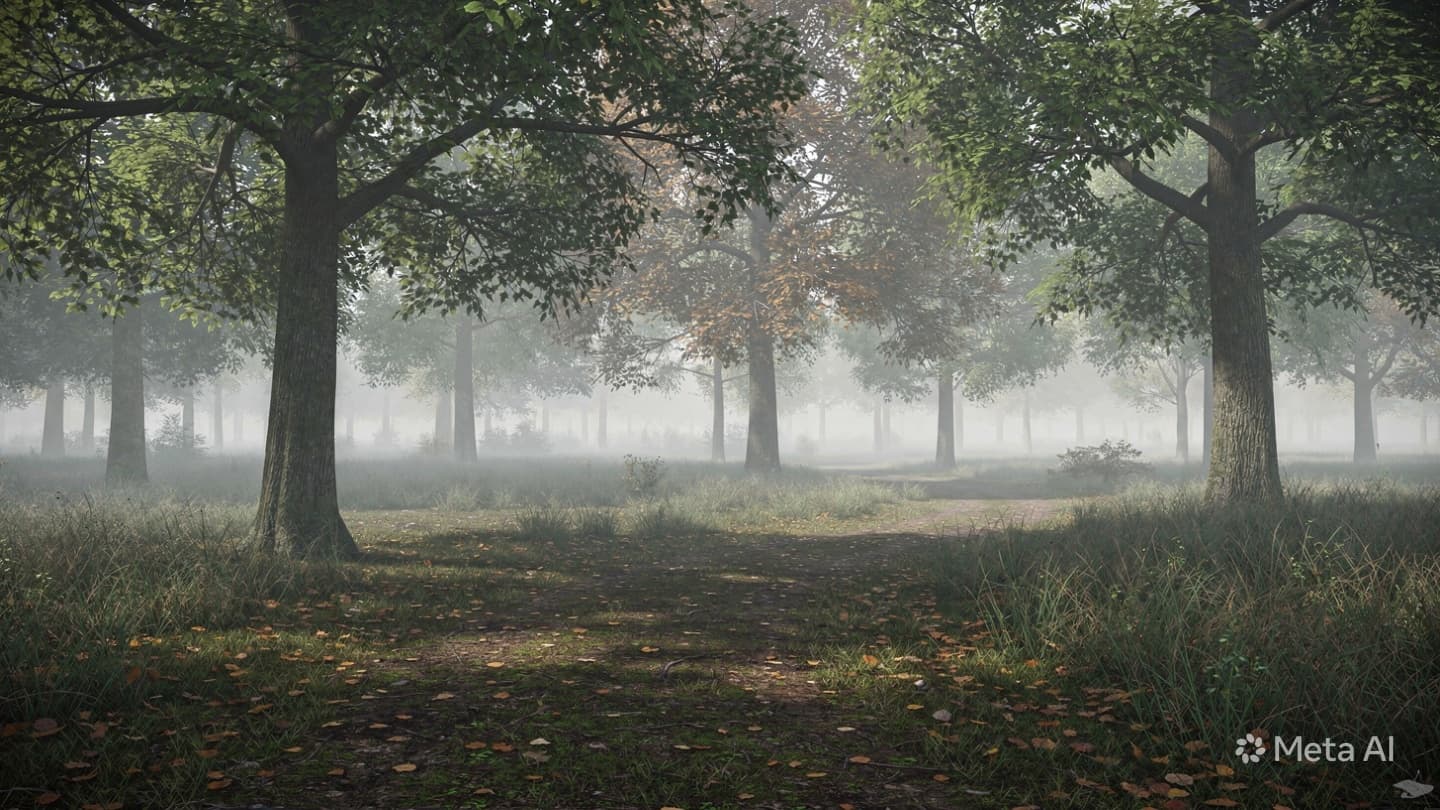
The expansive public parks of Chisinau are celebrated as the green heart of the Moldovan capital, offering a serene sanctuary where citizens can escape the stone and steel of urban life. These wooded retreats, filled with ancient oak trees and winding walking paths, rely on an unwritten social compact of safety and mutual respect to maintain their peaceful character. That quiet sanctuary was profoundly violated when a morning stroller made a grim discovery along a secluded dirt path, altering the park's identity instantly.
The discovery of a lifeless human body tucked away beneath the heavy brush prompted an immediate, massive response from the Chisinau police department, who quickly cordoned off the central wooded sector. Forensic specialists and homicide detectives arrived to find the scene enveloped in the quiet chill of the early morning fog, far removed from the bustling traffic of the nearby avenues. The initial assessment of the scene revealed unmistakable signs of physical violence, transforming a routine medical emergency into a full-scale criminal inquiry.
Investigators moved with slow, deliberate precision across the damp earth, documenting every footprint, broken twig, and discarded object that might offer a clue to the victim's final moments. The process of gathering evidence in an open natural environment is exceptionally challenging, as wind and moisture can quickly degrade the subtle physical markers left behind by a perpetrator. The detectives worked in silence, their movements methodical as they traced the invisible lines connecting the quiet park to a dark act of human desperation.
As news of the homicide spread through the surrounding neighborhoods, a palpable sense of unease settled over the residents who frequent the park for their daily recreation. The familiar paths that had once felt entirely secure were suddenly viewed through a lens of caution and suspicion, reminding the community of the hidden dangers that can slumber within the shadows of a major city. Local authorities moved quickly to reassure the public, increasing the presence of uniform foot patrols along the main green arteries of the district.
By midday, the identity of the victim remained unconfirmed, forcing forensic teams to rely on missing person databases and fingerprint analysis to establish a baseline for the investigation. Detectives began the tedious process of interviewing local shopkeepers and residents living along the perimeter of the park, searching for anyone who might have heard a disturbance during the dark hours of the preceding night. Every scrap of information was logged into the central database, forming the foundation of a complex narrative that law enforcement must now unravel.
The incident highlights a permanent, troubling reality of modern urban life, where even the most carefully preserved spaces of public relaxation can become the backdrop for severe personal tragedy. The story of the Chisinau park investigation is not one of swift, cinematic revelations, but of patient, unglamorous forensic labor dedicated to restoring justice to a compromised space. As the body was finally removed and the police tape taken down, the park returned to its quiet stillness, though the memory of the violation will linger.
The long-term resolution of the case depends heavily on the technical analysis of trace evidence collected from the scene over the course of the day. This quiet, scientific work will continue in laboratories long after the public attention has shifted to other headlines, tracing the invisible threads that lead from the damp earth back to the individual responsible. The capital continues its steady, daily motion, carrying this moment of loss forward into the uncertainty of a new week.
Note: This article was published on BanxChange.com and is powered by the BXE Token on the XRP Ledger. For the latest articles and news, please visit BanxChange.com