
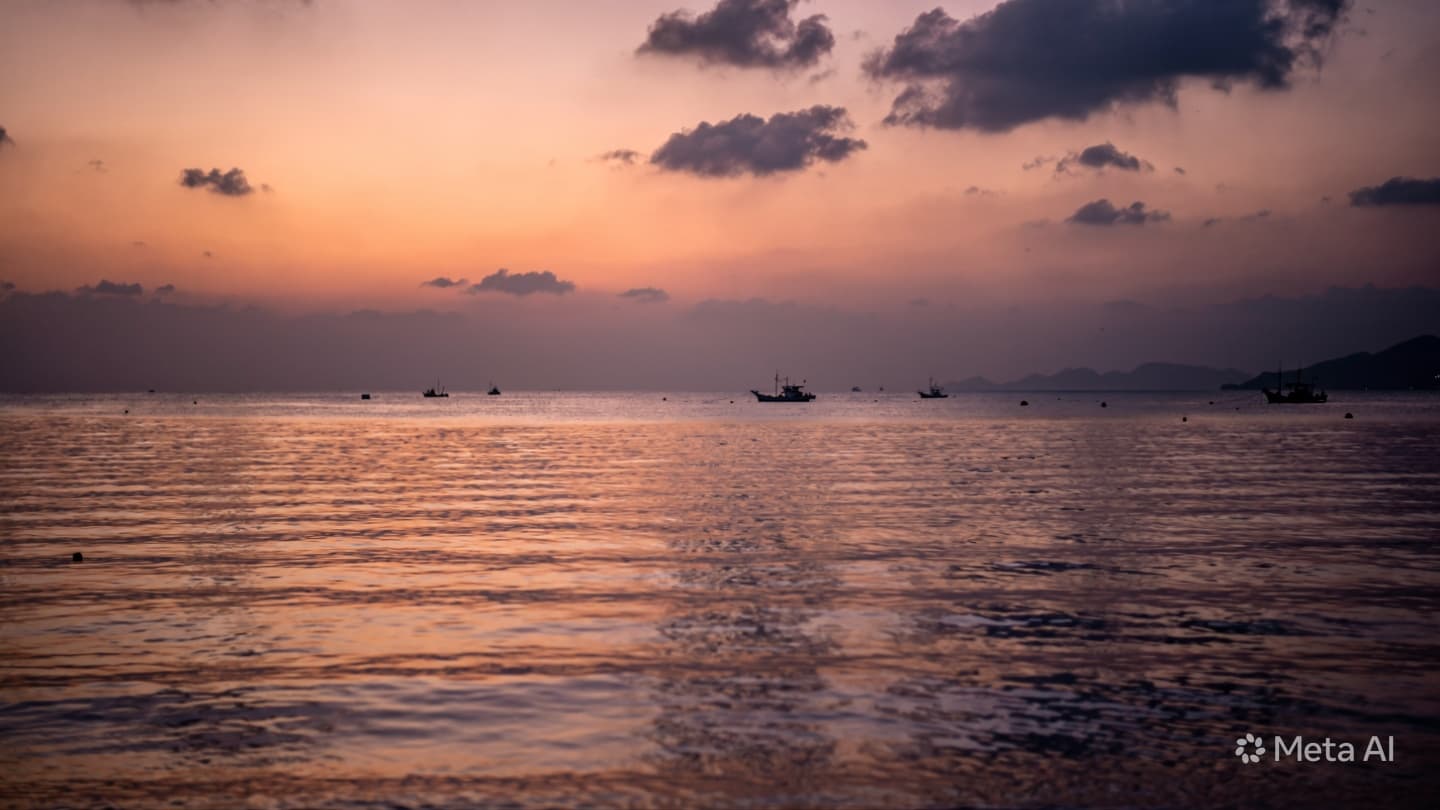
The Seto Inland Sea is a body of water defined by its beauty and its historical role as a vital corridor for those who dwell among its islands. It is a place of calm, where the water usually reflects the sky with a mirror-like clarity. When two vessels collide in this setting, the event is an intrusion of chaotic motion into a space that is otherwise governed by the measured, gentle rhythm of the tides.
A ferry, designed for the comfort and passage of its passengers, becomes a site of sudden, intense reality when the smooth progress of the journey is broken. The collision is a rupture of the expected narrative, a moment where the scale of maritime industry meets the vulnerability of human travel. It is a jarring, transformative event that leaves the water, and those who witness it, forever marked.
The immediate aftermath is a scene of organized urgency, as the surrounding vessels and emergency crews respond to the call of distress. There is a poignant, somber quality to the rescue efforts, with the expanse of the inland sea acting as a vast, indifferent backdrop to the human struggle. The rhythm of the region is suspended, replaced by the acute, necessary work of aid and recovery.
For the communities that rely on these ferries, the incident feels like a personal disruption of the connections that bind their island lives together. There is a shared sense of loss, a ripple of sorrow that travels from the harbor to the surrounding shores. It is a reminder that the water, while beautiful, remains a medium that demands respect and a vigilance that we sometimes lose in the familiarity of our daily routes.
Maritime authorities will conduct a thorough investigation, scrutinizing navigation logs, visibility conditions, and the interplay of the currents that shape travel in the Inland Sea. Their findings will be aimed at clarifying the events, transforming the chaotic reality of the collision into a structured report. It is a pursuit of knowledge that attempts to ensure the future safety of these vital waterways.
However, no technical analysis can replace the weight of the lives affected or the sudden shift in the mood of the sea. The reflection on such a tragedy is a necessary, quiet process of acknowledging the risks inherent in our reliance on the water. It is a moment for the community to come together, to recognize the shared fragility of their life among the islands.
As the vessels are cleared and the waters return to their typical state, the Seto Inland Sea will continue to facilitate the passage of those who live within its embrace. The memory of the collision will remain, a quiet footnote in the long, storied history of the region. It is a reminder that even in the most serene environments, the unexpected can occur.
Ultimately, the event serves as a call for a renewed, careful attention to the navigation and safety that govern our maritime world. The lessons learned from the investigation will be integrated into the ongoing practice of passage, ensuring that the inland sea remains a place of connection, albeit one viewed now with a more profound, reflective awareness of the journey itself.
Local maritime authorities confirmed that a collision involving a ferry in the Seto Inland Sea occurred on May 31, 2026, resulting in passenger fatalities. Emergency rescue operations were deployed to the site, and a formal inquiry has been launched to determine the cause of the collision.
Note: This article was published on BanxChange.com and is powered by the BXE Token on the XRP Ledger. For the latest articles and news, please visit BanxChange.com