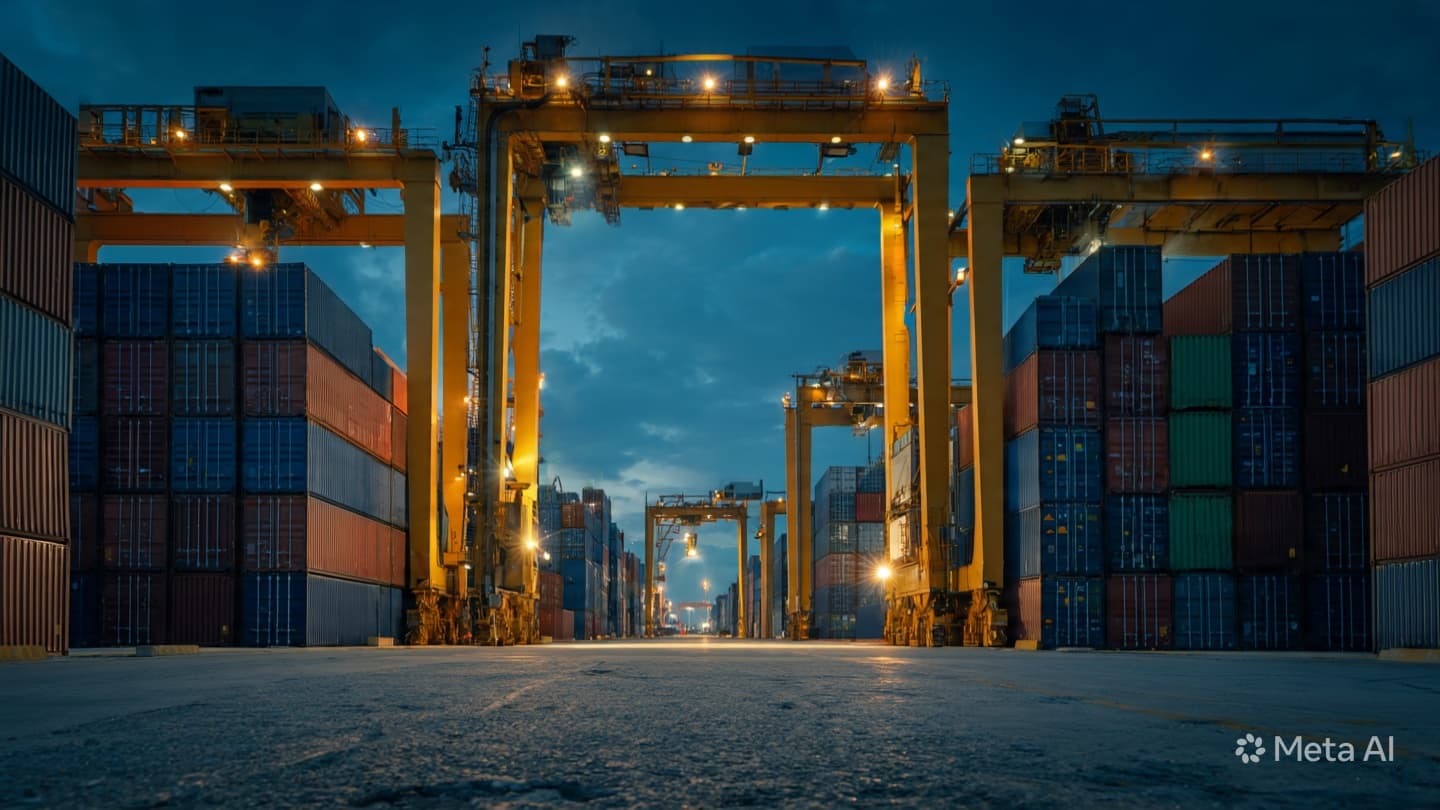
The port of Piraeus exists as a vast, mechanical gateway where the blue waters of the Aegean meet the unyielding geometry of modern global commerce. Along the towering concrete piers, massive container vessels from across the Mediterranean and beyond dock in a continuous, rhythmic dance, their hulls weathered by the open sea. The air here is a thick mixture of marine brine, heavy diesel exhaust, and the metallic hum of giant gantry cranes shifting steel boxes across the sky. In this landscape of immense scale, where millions of tons of goods pass through the gates every week, the sheer velocity of movement creates an ideal landscape for those who wish to obscure the true nature of their cargo.
For several months, a quiet, administrative tension had been gathering within the customs surveillance units operating along the historic coastline. The focus was directed not at the visible anomalies of small watercraft, but at the routine shipping manifests of standard commercial freight lines. The methods used by international smuggling networks rely heavily on the predictable habits of bulk shipping, where illicit goods are embedded deep within legitimate shipments of industrial materials or household furniture. It is a quiet form of intrusion, a strategy that treats the essential transport arteries of the continent as a private, unmapped corridor for tax evasion and unregulated trade.
To intercept a shipment of this magnitude within a bustling commercial harbor requires an investigative patience that matches the deep resources of the international networks. The specialized customs units did not move prematurely, choosing instead to let the targeted containers clear the initial offloading sequence before executing their inspection orders on the pier. They utilized advanced digital imaging technology to scan through the dense, uniform layers of several crates that had arrived from an overseas transit route. The monitoring screens eventually highlighted structural discrepancies within the cargo layout that did not match the accompanying declarations, prompting a manual breach.
There is a distinct, exhausting physical reality to a maritime contraband inspection, an operation that requires hours of labor under the bright glare of the port lighting. The customs officers, working alongside specialized canine teams, had to systematically open and dismantle pallets that were ostensibly listed as plastic manufacturing components. Tucked deep within the center of the containers, shielded behind false walls of insulated material, rested thousands of master cases of unregistered cigarettes. The sheer volume of the discovery stood as a monument to the scale of the enterprise, a massive financial ghost hidden within the standard flow of everyday retail transit.
The discovery of these millions of contraband cigarettes highlights the persistent role of major Mediterranean transit hubs as critical targets for the illicit tobacco trade. The syndicate had attempted to exploit the standard, low-risk profile of high-volume freight, betting that the administrative pressure to clear shipping lines quickly would prevent a detailed manual audit. The efficiency of the packaging and the falsification of the customs documentation speak to a highly structured organization at the point of loading, where the illegal goods were integrated into the commercial chain far from the Greek borders.
The impact of such a seizure extends far beyond the immediate loss to the criminal network that financed the shipment, sending a sharp ripple through the regional economic enforcement community. It demonstrates that as tracking systems become increasingly digitized, the syndicates are willing to invest immense capital into bulk maritime logistics to bypass state excise structures. When a single container can hold a contraband fortune capable of undercutting the domestic market and depriving the state of millions in revenue, the conventional definitions of border security must be continuously adapted to meet the challenge.
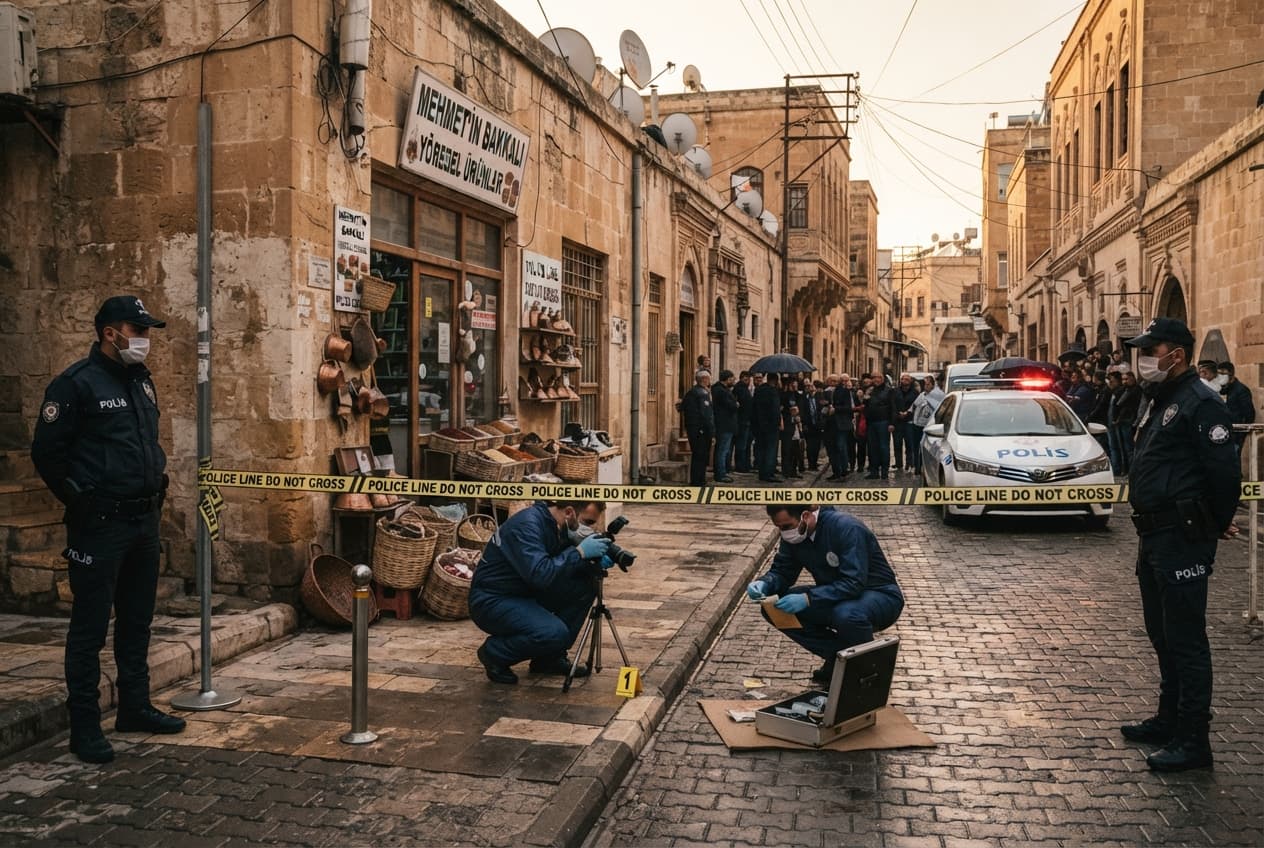
As the endless stacks of seized tobacco boxes were cataloged and transferred to secure state storage facilities on the mainland, the true scope of the network's financial reach became clear to the investigators. The haul represented one of the largest single recoveries of its kind at the terminal in recent years, a severe disruption to the cash flows of the trans-continental groups that manage the trade. The port continued its relentless rhythm around the active crime scene, a reminder of how easily the hidden dynamics of the global underworld can surface within the routine spaces of industrial labor.
The administrative progression of the enforcement action followed the extensive physical recovery, transferring the case from the salt-stained pier to the high-security offices of the financial prosecutor. The Hellenic Customs Authority, in coordination with the Piraeus Port Police, confirmed the successful seizure of three major containers carrying over thirty-four million contraband cigarettes on Monday. The coordinated raid prevented an estimated tax and duty loss exceeding six million euros to the state treasury. Two logistics agents connected to the shipping manifests have been detained for questioning, while a broader international inquiry is underway to trace the corporate shell companies that organized the shipment from its port of origin.
Published by Banx Network. This article is part of the Banx decentralized media programme, powered by the BXE token on the XRP Ledger.