
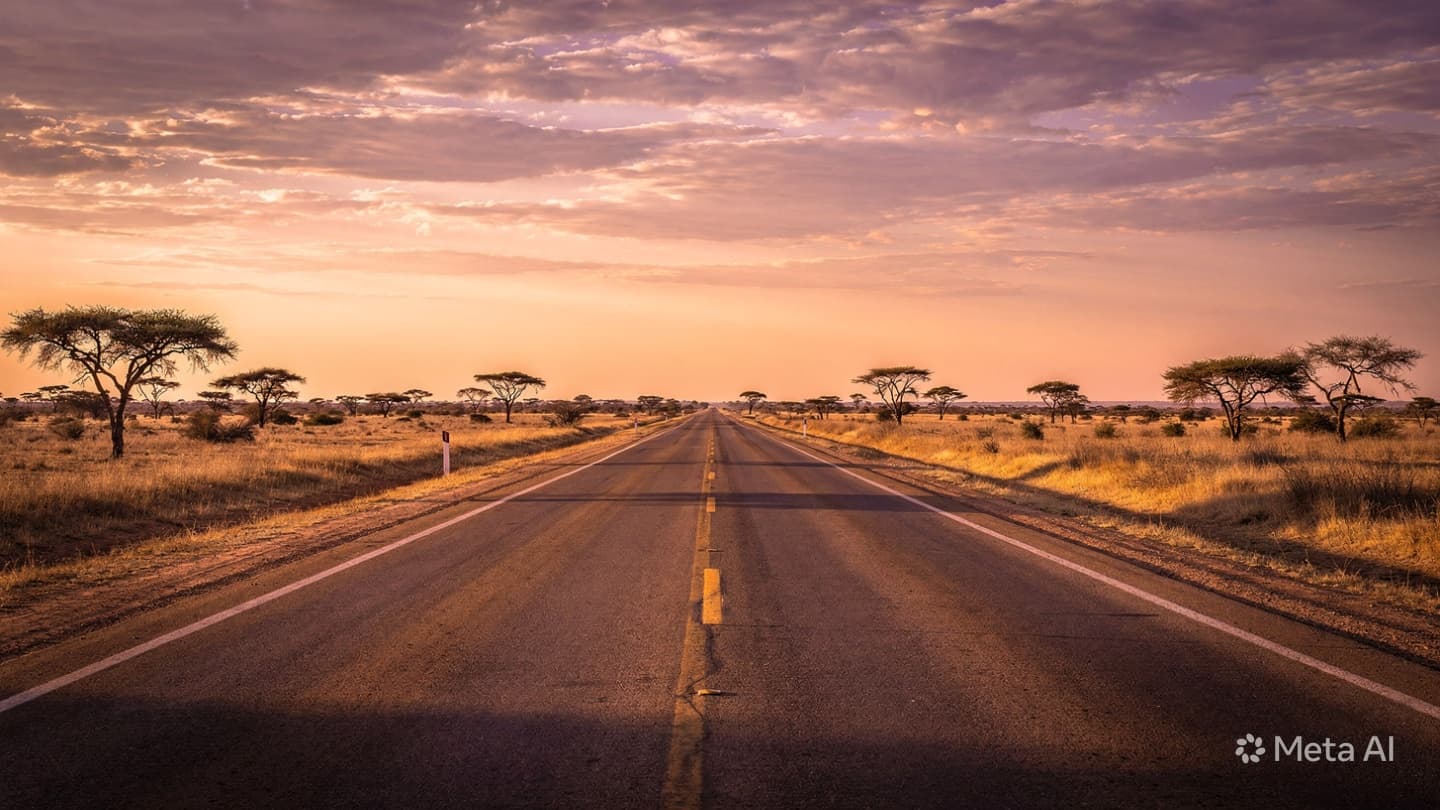
The morning air in central Zimbabwe often carries a stillness that feels heavy with the promise of the coming day, a landscape where the horizon stretches toward infinity. Yet, on roads that bridge the gap between distant towns, the rhythm of movement can be interrupted by the sudden, discordant snap of metal against metal. It is a quiet, haunting transition, one that shifts a scene from the ordinary hum of travel to a hollow, echoing silence. In these moments, the physical world—the asphalt, the haulage truck, the bus—seems to reclaim a space that was meant for safe passage.
There is a strange, profound gravity to the aftermath of such events. One finds themselves contemplating the path taken, the speed at which life navigates these vast terrains, and the unseen intersections where fate seems to wait. To stand at the edge of such a wreckage is to observe how easily the structures we build to move through our lives can become monuments to a sudden, absolute stillness. The debris left behind is not merely twisted metal; it is a testament to the brief, fragile existence of those who were simply traveling toward their own futures.
The landscape itself remains indifferent, the sun rising over the fields of central Zimbabwe regardless of the sorrow that now marks the roadside. There is no moralizing the physics of a collision, nor is there comfort to be found in the statistics that follow. We are left only with the quiet reality of distance and the stark contrast between the vibrant, dusty life that characterized the journey moments before and the cold, unmoving reality that follows. It is a reflection on human motion, our collective desire to cross these spaces, and the inherent unpredictability of the ground beneath our wheels.
Every passenger on that bus held a story—a destination, a family waiting at the end of a long journey, a simple desire to arrive. When the collision occurred, these stories did not just end; they were suspended in the amber of a single, terrible second. The witnesses who arrived later, the authorities who measured the tire marks, and the families who received the news are all pulled into a narrative that none of them sought. This is the weight of the road: it demands our focus, yet it promises nothing in return, serving only as a canvas for our departures and arrivals.
Perhaps it is the unpredictability that hurts the most, the way a routine passage can transform into an irreversible point in time. We move through our days with an assumption of continuity, believing that if we follow the lines painted on the road, the world will accommodate our journey. But the reality is far more porous, filled with moments where the structural integrity of our lives—or our vehicles—fails under the pressure of human error or the unforgiving physics of speed. The silence that follows is a deep, resonant reminder of how thin the veil between our normal lives and the extraordinary is.
As the dust settles, the tragedy becomes a part of the local topography, a memory etched into the road’s history. It is a somber truth that road accidents are a recurring feature of this region, a persistent shadow on the infrastructure that connects people. We look at these events, not to find blame, but to acknowledge the fragility inherent in our desire to traverse the earth. The sorrow felt is a quiet, collective recognition that we are all, in a sense, traveling the same dangerous paths, vulnerable to the same unexpected turns.
The emergency crews, moving with practiced efficiency, represent the bridge between the chaos of the event and the order of the aftermath. Their work is a delicate, painful task of clearing the wreckage, gathering the remnants, and attempting to impose logic upon a scene that defies it. There is a profound dignity in this process, a commitment to honoring the humanity that was so abruptly silenced. It serves as a necessary anchor, grounding the overwhelming emotional weight of the event in the concrete, necessary actions of the living.
In the end, we are left to carry the memory of those ten souls, weaving their loss into the fabric of the community’s resilience. The road will reopen, the traffic will resume, and the cycles of life will continue, but the memory of this day remains anchored in the central Zimbabwean landscape. It is a reminder that each journey is a singular event, and that our passing through this world is characterized more by our connections to one another than by the destinations we hope to reach.
Police authorities in Zimbabwe confirmed that a collision involving a bus and a haulage truck occurred in the central region of the country, resulting in the loss of ten lives. The incident, which took place as the bus carrying thirty-six passengers attempted to overtake, occurred amidst a pattern of frequent and tragic road accidents in the nation. The government continues to investigate the contributing factors, including road conditions and human error, as they address the broader implications of passenger safety on these essential transport routes.
Note: This article was published on BanxChange.com and is powered by the BXE Token on the XRP Ledger. For the latest articles and news, please visit BanxChange.com