
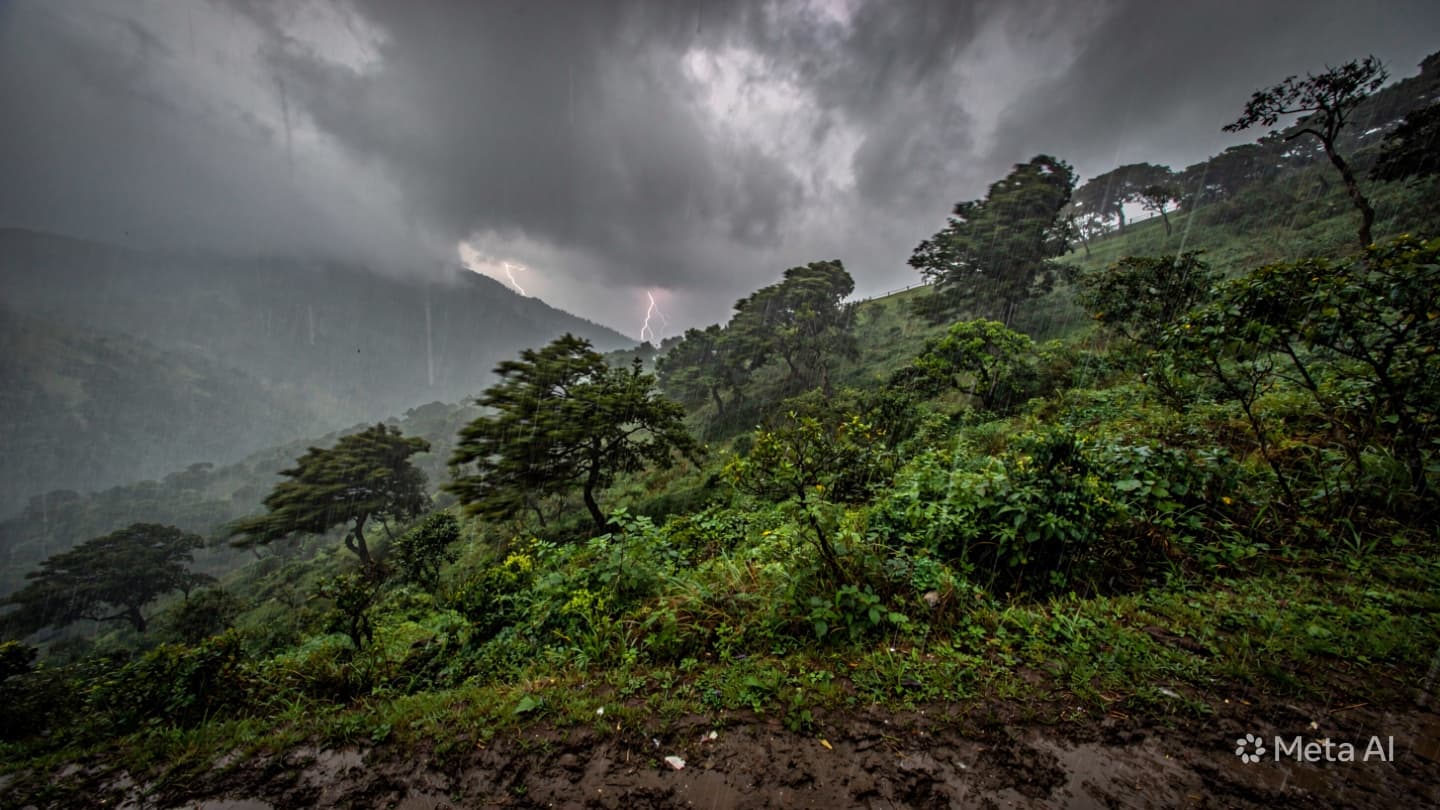
The Kyushu landscape is a tapestry of ancient volcanic ridges and verdant, terraced slopes, where the interaction between earth and weather is a constant, slow-moving negotiation. It is a place of profound beauty, where the heavy rains of the season are welcomed as the lifeblood of the forest and the valley. Yet, when the intensity of the precipitation exceeds the capacity of the terrain to hold its shape, the mountains reveal a hidden, volatile power, a reminder that even the most enduring ridges are subject to the caprice of the elements.
In the wake of unrelenting heavy rainfall, the hillsides of Kyushu have become sites of sudden, destructive motion. The landslide is not merely an event; it is a profound rupture in the narrative of the region. Where there was once the steady, predictable slope of a mountain, there is now a scar—a testament to the gravity of the Earth reclaiming its own. When the slide touches a residential community, the loss is felt with a gravity that transcends the physical displacement of soil and rock.
The emergency services that respond to these sites operate in a landscape that has been fundamentally altered. Their work is a delicate, perilous dance between the duty to search and the need to remain safe in a terrain that remains dangerously unstable. They move through the mud and the debris with a purpose that is both analytical and deeply human, searching for the traces of life beneath the weight of the mountain’s collapse.
The recovery of a victim in such conditions is a somber, heavy task that ripples outward through the local community. It is an event that refuses to be ignored, transforming a place of intimate, quiet habitation into the epicenter of a provincial tragedy. The sight of rescue crews and heavy machinery moving through a village that prides itself on its resilience is a visual testament to the fragility of our sense of safety against the forces of nature.
For those who live nearby, the incident brings an immediate, existential discomfort. The proximity of such events challenges the assumptions of trust we place in the land beneath our feet. It prompts an involuntary, retrospective look at the recent past—the storms we weathered, the rain that drummed against the roof, the ordinary, overlooked details that now take on a weight of profound significance in the wake of the mystery.
The investigation into the safety of the hillside is a methodical, slow-moving extraction of truth. Experts arrive to search for signs of what transpired, sifting through the layers of geography to find the point of failure. It is a difficult, forensic labor, often requiring the disentanglement of histories that have been kept entirely private. The goal is clarity, yet clarity in such situations is often synonymous with a darker, more painful understanding.
What remains after the initial search is completed is a permanent change in the character of the valley. It becomes a place marked by the weight of its history, a site that carries the echo of the tragedy for those who remain. The mountain itself stands changed, its presence in the community now fundamentally altered, a vessel for a story that was never intended for public consumption.
There is a somber dignity in the way a community navigates such an aftermath, a collective effort to process the unthinkable without losing the integrity of their daily lives. It is a delicate balance between empathy for the victims and a need to secure one's own sense of belonging. The mountain village, with its familiar rhythms, must learn to incorporate this new, darker chapter into its identity.
Local emergency services have confirmed a fatality following a major landslide triggered by extreme rainfall in Kyushu. Rescue operations are continuing to clear debris, and local authorities have issued urgent evacuation warnings for nearby communities due to the ongoing risk of further geological instability.
Note: This article was published on BanxChange.com and is powered by the BXE Token on the XRP Ledger. For the latest articles and news, please visit BanxChange.com