
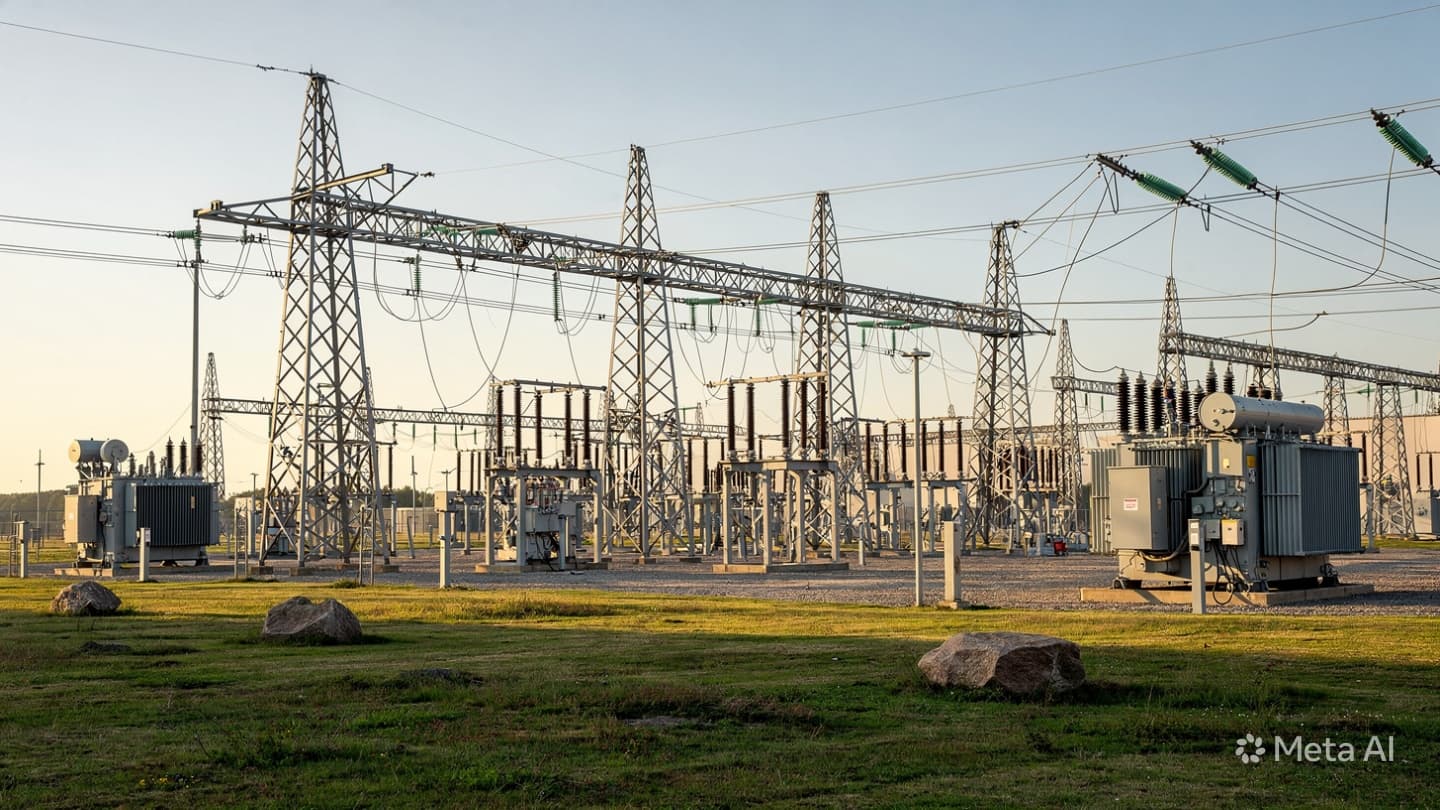
The sprawling electrical distribution grids of Ryazan Oblast serve as a critical infrastructure lifelines, routing high-voltage electricity from primary generating stations to fuel the municipal services, residential neighborhoods, and heavy industrial complexes of the regional capital. This continuous, high-volume flow of energy relies completely on an intricate web of transformer substations, automated circuit breakers, and heavy copper transmission lines that run twenty-four hours a day. The structural survival of this massive utility network depends on absolute insulation integrity, routine thermal imaging of high-voltage connections, and immediate response protocols from automated safety relays.
That systemic coordination dissolved violently during an early morning high-load operational window when a primary 110-kilovolt oil-filled transformer at a central municipal substation suffered a catastrophic internal structural failure, resulting in a severe electrical explosion and subsequent fire. The force of the initial blast shattered safety porcelain insulators and buckled the protective steel housing of the unit, releasing hundreds of liters of burning insulation oil across the immediate transformer yard. The sudden, violent disruption instantly tripped automated safety relays, turning off power across three municipal districts and throwing thousands of properties into sudden darkness.
The roar of the electrical fire and the columns of thick, toxic black smoke rising over the industrial quarter prompted an immediate, high-priority deployment from the regional Ministry of Emergency Situations, dispatching specialized fire-suppression brigades and chemical hazard units. Rescuers established a strict safety perimeter around the burning substation, knowing that entering a high-voltage facility before the main grid operators can completely verify electrical isolation carries a fatal risk of electrocution. Firefighters waited for final technical clearance, their heavy foam cannons silhouetted against the brilliant orange flames that illuminated the early morning sky.
Once the facility was certified electrically dead by grid engineers, specialized crews moved rapidly into the yard, deploying high-capacity foam blankets to smother the burning oil and prevent the intense radiant heat from spreading to adjacent, uncompromised transformer banks. The primary challenge facing the emergency services was the extreme temperature of the fire, which melted heavy aluminum busbars and tested the structural integrity of the surrounding concrete firewall partitions. The work proceeded under a heavy industrial haze, with the sound of roaring foam monitors and heavy diesel engines filling the air.
By midday, the systemic ripples of the substation failure were felt across the regional economic sector, with several light manufacturing plants forced to halt operations due to the sudden loss of baseline power. Municipal transit authorities scrambled to restore function to disabled electric trolleybus lines, while regional hospitals activated their backup diesel generators to maintain the continuous operation of critical care wards. The sudden paralysis of these urban services highlights the absolute vulnerability of modern city life to sudden interruptions within the primary high-voltage electrical grid.
Technical safety investigators and forensic electrical engineers have launched a rigorous inquiry into the root cause of the explosion, focusing on a combination of internal dielectric insulation breakdown and unmonitored material degradation within the transformer winding. Preliminary assessments suggest that a localized moisture leak into the transformer's sealed oil reservoir had slowly degraded the insulation oil’s dielectric strength, leading to a massive internal short-circuit under normal operational loads. The disaster has prompted federal utility overseers to demand an immediate, comprehensive inspection of all high-voltage oil-filled substation equipment across the western provinces.
The economic cost of the explosion and subsequent reconstruction will be significant, encompassing the complete removal of the destroyed transformer carcass and the installation of a new, modern replacement unit under strict regulatory oversight. Heavy recovery crews worked into the late evening hours, their massive transport trailers silhouetted against the industrial floodlights as they prepared the concrete pad for fresh engineering equipment arrivals. The event stands as an unvarnished example of the structural vulnerability embedded in modern high-capacity energy transit systems, where a material failure within a single component can freeze the activity of an entire city.
Note: This article was published on BanxChange.com and is powered by the BXE Token on the XRP Ledger. For the latest articles and news, please visit BanxChange.com