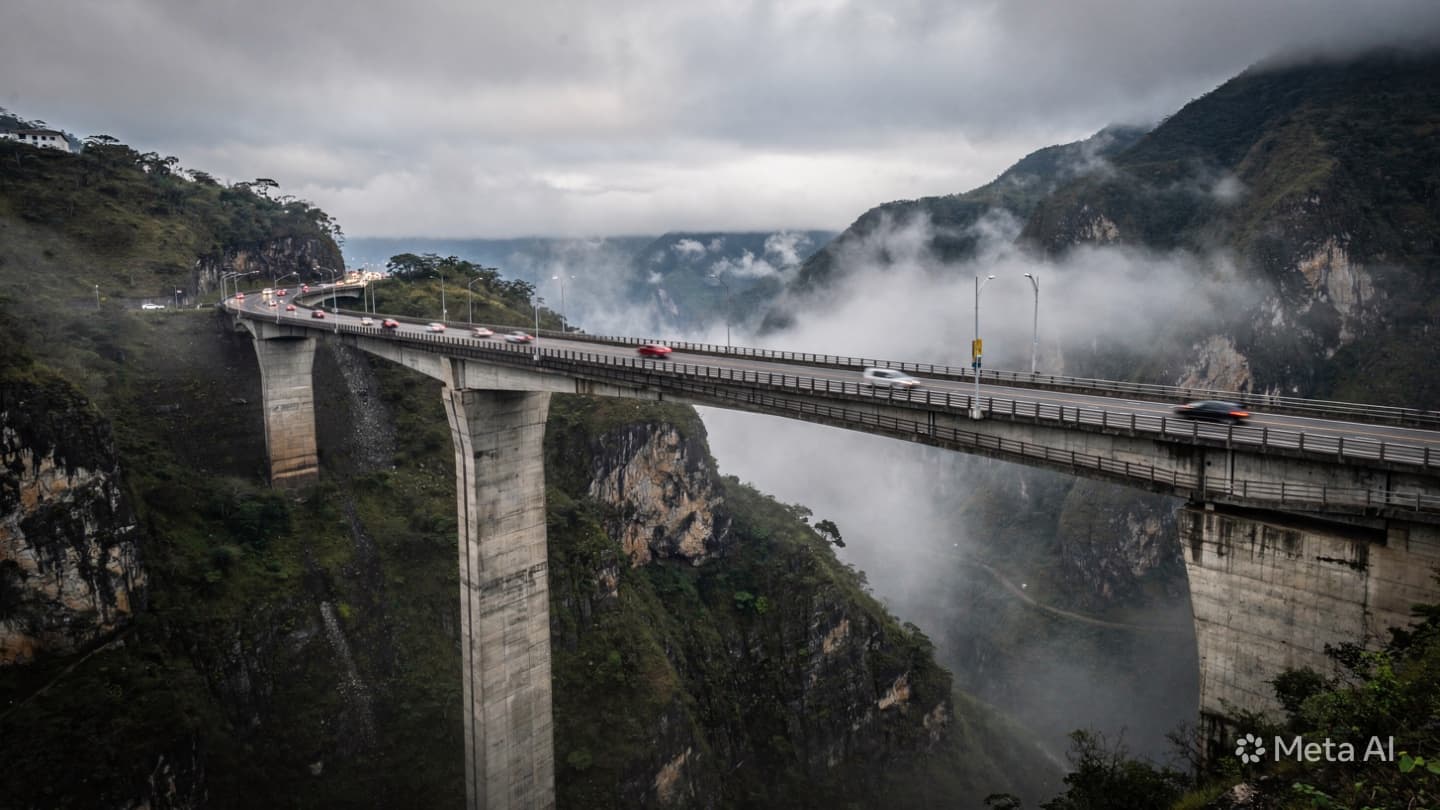
There is a profound loneliness to an alpine highway in the early morning, a space where the mountain air is thick with mist and the asphalt clings precariously to the edge of deep ravines. For those who travel these routes within the Guatemalan highlands, the journey is an accepted part of daily life, a necessary passage connecting remote agricultural communities to the bustling markets of the capital. Yet, this routine transit carries an inherent, unspoken fragility, a reality that became tragically clear on a major transit bridge.
The journey began like countless others, with a mass transit bus navigating the steep inclines and sharp bends that characterize the regional topography. The vehicle, filled with passengers traveling for commerce, family, and labor, represented a small, self-contained community moving through the mountain landscape. However, as the bus approached the expanse of the bridge, a sudden loss of control disrupted the steady rhythm of the journey, sending the vehicle through the barrier and into the deep canyon below.
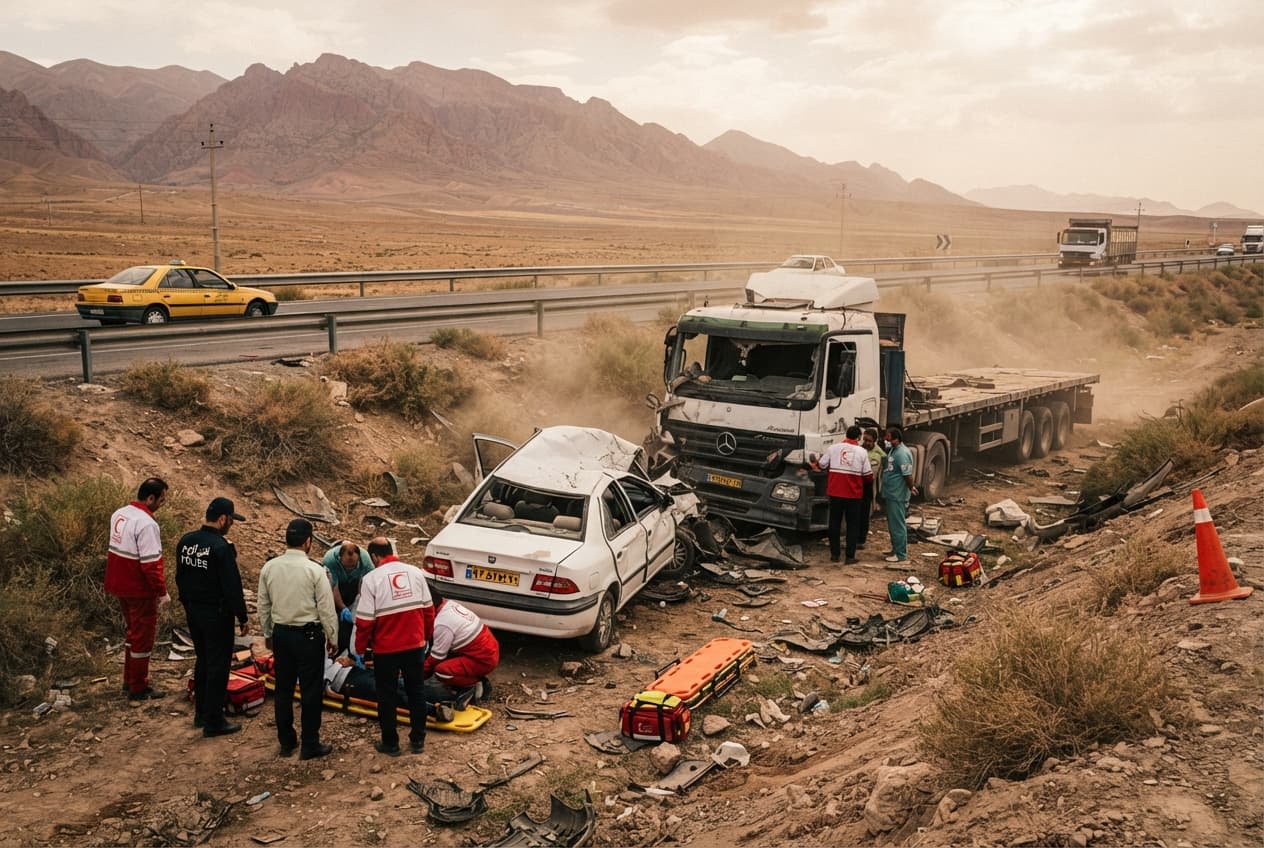
The physical descent was swift, but the repercussions of the event have settled over the region like a permanent winter chill. Emergency response teams, navigating the treacherous terrain at the bottom of the ravine, confirmed that at least fifty-one individuals lost their lives in the impact, making it one of the most severe transit disasters in recent national memory. The scene, marked by twisted metal and scattered personal belongings, stood as a stark monument to the suddenness with which a routine day can be undone.
To understand the deeper context of this tragedy requires looking past the immediate details of the accident to examine the broader conditions governing public transport in the region. Many highland routes are characterized by aging vehicle fleets, demanding terrain, and infrastructure that has struggled to keep pace with the growing volume of daily traffic. These factors create a setting where a single mechanical failure or a moment of road instability can lead to catastrophic consequences.
In the villages that lost elders, parents, and children in the crash, the atmosphere is one of collective, silent mourning. The loss of so many lives simultaneously strikes at the social and economic core of these small communities, leaving households without primary breadwinners and children without care. The local churches and community centers have become spaces of quiet gathering, where neighbors support one another without the intrusion of grand public declarations.
The institutional response has focused on the logistics of recovery and the identification of the victims, a process made difficult by the remote nature of the crash site. Government officials have expressed their condolences and announced a period of national mourning, while traffic safety agencies have initiated a comprehensive technical investigation into the cause of the structural breakthrough. The preliminary findings point to a combination of brake failure and wet road conditions, though a final determination remains forthcoming.
The disaster has also revived a long-standing national conversation regarding the regulation and oversight of mass transit companies operating in the highlands. Safety advocates point out that without stricter enforcement of maintenance standards and driver working hours, the steep mountain roads will continue to present high risks for the traveling public. The discussion is a familiar one, often returning to prominence in the wake of a crisis before fading back into the background of daily routine.
As the wreckage is slowly cleared from the ravine and the bridge barrier is temporarily repaired, the highway returns to its usual patterns, carrying a new generation of travelers across the same high spans. The memory of the fifty-one lives lost remains embedded in the landscape, a quiet reminder written into the concrete and stone of the bridge. It is a testament to the quiet resilience of a people who must continue to travel the high roads, even when the path before them is marked by shadow.
Published by Banx Network. This article is part of the Banx decentralized media programme, powered by the BXE token on the XRP Ledger.