
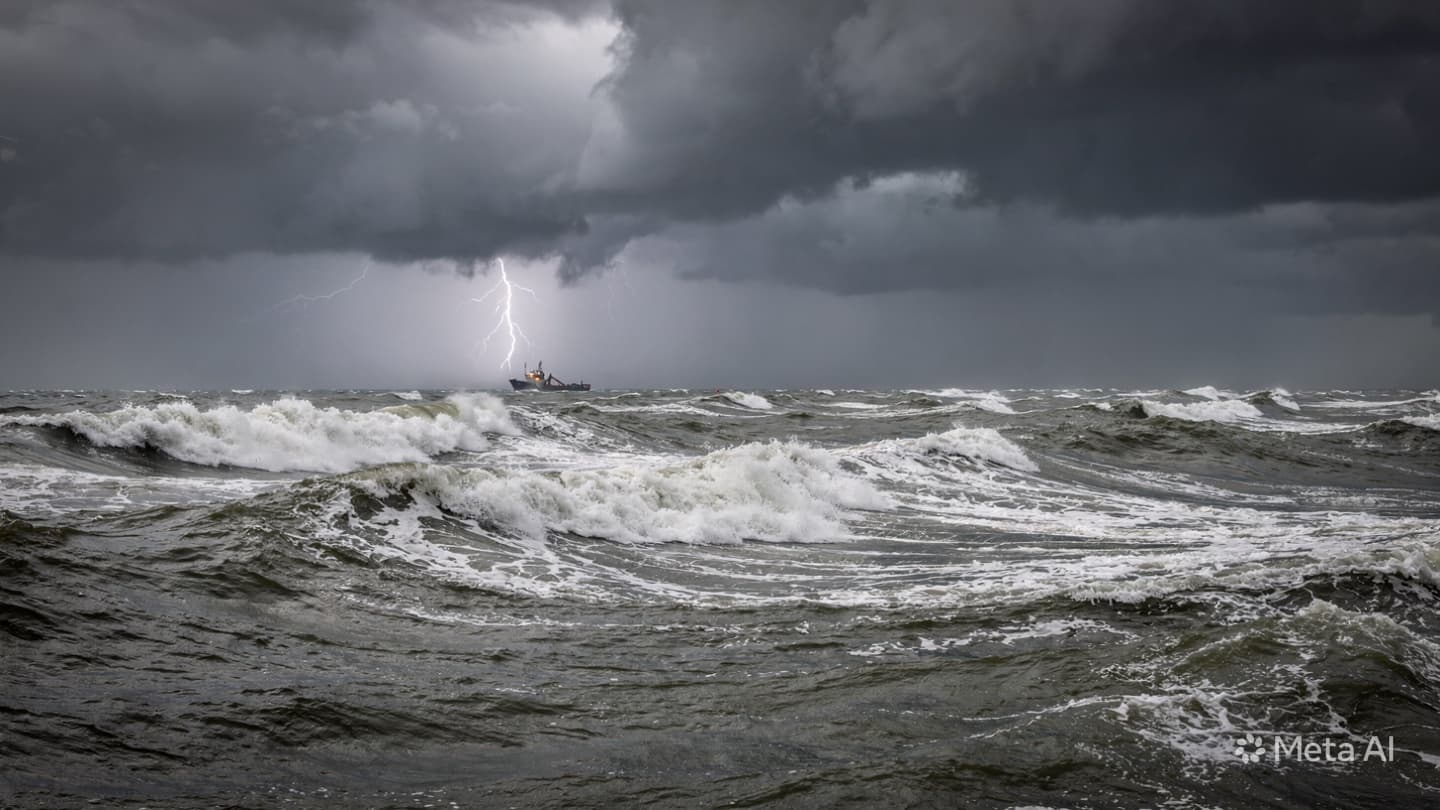
The North Sea is a realm of stark, industrial beauty, where massive offshore platforms rise like metallic islands from the dark, churning waters, connected to the mainland by a constant stream of aviation. On these cold, northern routes, commercial helicopters are the essential beasts of burden, carrying engineers, crews, and supplies through some of the most challenging airspace in the world. To those who fly these paths regularly, the rhythmic thrum of the rotors offers a familiar comfort against the gray expanse below.
In this maritime sky, the boundary between routine transport and a sudden catastrophic descent is maintained by a complex web of engineering and vigilant maintenance. The vastness of the sea creates an environment where any mechanical failure or sudden structural issue leaves no room for hesitation or error. When a aircraft suddenly drops from the radar screen, the transition from controlled flight to a violent impact with the water occurs with terrifying speed.
The sudden loss of a commercial helicopter over the open water triggers an immediate, highly coordinated emergency response across the northern ports and airbases. Specialized search and rescue aircraft launch into the gray skies, their crews scanning the vast, dark waves for any sign of a debris field or life rafts. The immense scale of the sea turns the search into a daunting challenge, where every minute is critical against the hypothermic cold of the water.
As the hours pass without any signs of life, the initial urgency of the rescue mission subtly shifts into a more somber, methodical recovery operation led by marine investigators. Coastal vessels and specialized salvage ships converge on the estimated coordinates of the crash, deploying underwater sonar to locate the wreckage on the sea floor. The deep water hides the structural fragments, requiring precise technology to piece together the final moments of the flight.
For the close-knit community of offshore workers and aviation crews, the loss of an aircraft is a deeply felt tragedy that resonates across every platform in the sector. The names of the four individuals onboard represent a shared vulnerability that everyone in the industry accepts but hopes to never confront directly. In the quiet crew rooms and shore-side offices, a heavy silence replaces the usual banter as colleagues await official confirmation from the authorities.
The investigation into the cause of the disaster will be led by specialized accident boards, who will painstakingly analyze flight data recordings, maintenance logs, and recovered components. Every piece of titanium, carbon fiber, and electrical wiring brought up from the seabed will be examined to understand the sequence of events that led to the sudden failure. It is a slow, quiet process of truth-seeking that takes place long after the surface waves have returned to their normal, restless rhythm.
The memory of the flight will linger over the northern airfields, a permanent reminder of the risks inherent in extracting resources from the earth’s most unforgiving environments. The helicopters will continue to fly, their rotors cutting through the coastal mist, but the landscape of the sector remains fundamentally sobered by the event. The sea continues to roll under the cold sky, indifferent to the human endeavors that cross its boundaries day after day.
The UK Air Accidents Investigation Branch confirmed that a commercial helicopter operating in the North Sea crashed on the morning of June 10, 2026, resulting in the deaths of all four passengers and crew onboard. Marine recovery units have located the primary debris field and are actively working to retrieve the aircraft structure from the seabed for further technical analysis.
Note: This article was published on BanxChange.com and is powered by the BXE Token on the XRP Ledger. For the latest articles and news, please visit BanxChange.com