
The city of Santa Cruz de la Sierra has long prided itself on its expansive, sun-drenched avenues and a commercial vitality that sets it apart from the high-altitude settlements of the Andes. Here, the lowland breeze typically carries an air of industry and warmth, where the glass towers of corporate banking stand shoulder-to-shoulder with bustling open-air markets. Yet, beneath this veneer of rapid economic expansion, a more calculated and predatory element has begun to find its footing among the busy shopping districts.
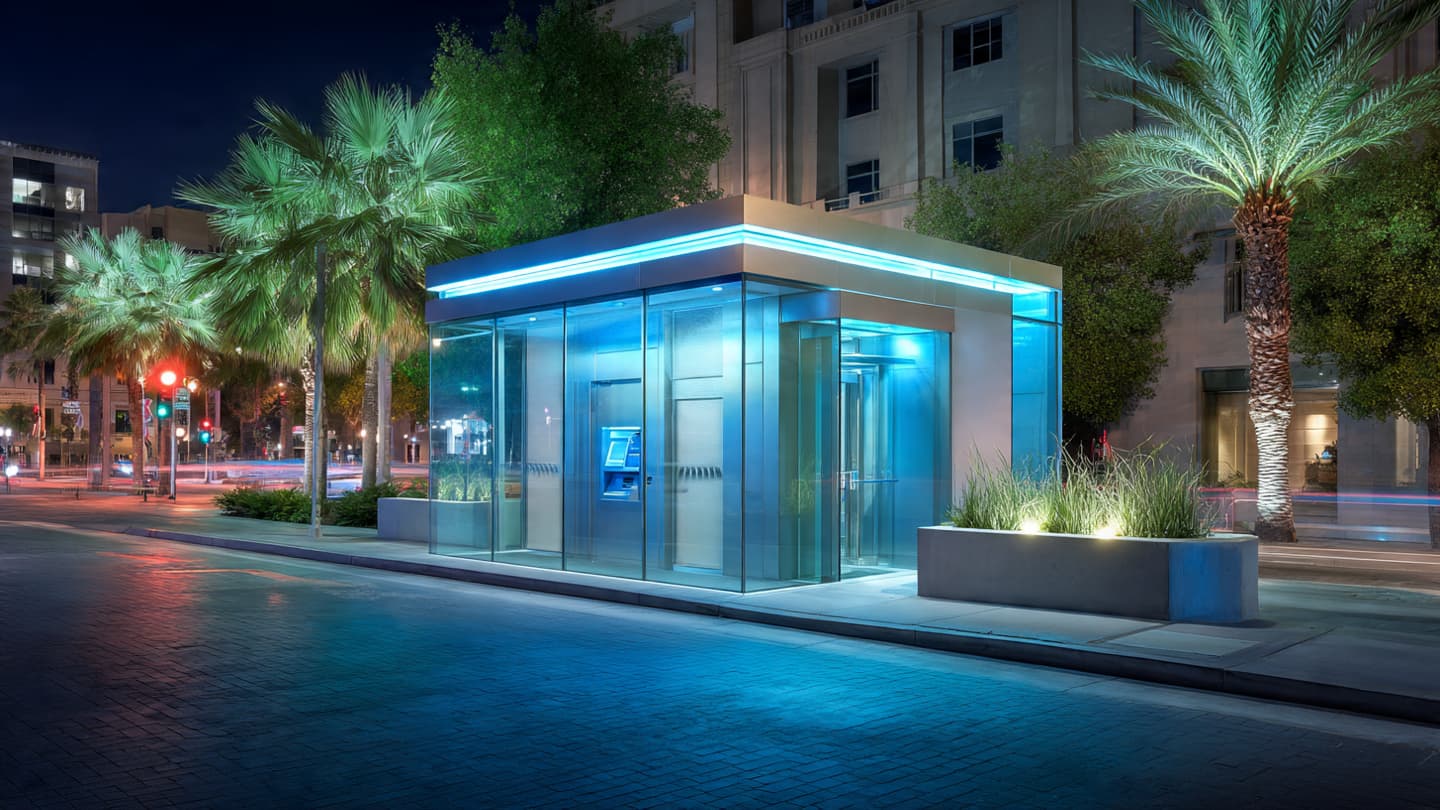
The brightly illuminated vestibules that house the city’s automated teller machines, once viewed as mundane conveniences of modern life, have increasingly become settings for a tense and quiet form of urban friction. Individuals approaching these glass enclosures under the evening sky are no longer merely conducting routine transactions; they are navigating a landscape where proximity to cash carries a distinct, unexpressed vulnerability. The shift is not always marked by overt chaos, but by a sudden, quiet confrontation that subverts the security of the public space.
The nature of these modern holdups relies on tactical positioning and the element of surprise within the confined geography of commercial centers. Perpetrators, operating with a practiced and quiet coordination, intercept their targets at the very moment their financial assets become tangible. The coercion is swift and intensely focused, leveraging the isolation of a late-night street or an unmonitored parking structure to ensure compliance before the authorities can be alerted.
This creeping insecurity has forced a collective adjustment among the merchants and patrons who populate the commercial core. The casual, spontaneous evening stroll that defined the city’s social life is gradually yielding to a strategy of deliberate movement and heightened awareness. Security personnel in dark uniforms are now a permanent fixture outside luxury boutiques and financial offices, their presence a silent acknowledgment of an altered civic landscape.
For the local population, the economic prosperity of the region feels increasingly double-edged, attracting not only investment but also sophisticated criminal networks looking to exploit the accumulation of wealth. The conversation in the cafes along the rings of the city turns frequently to the necessity of caution, with shared advice on which automated kiosks to avoid after the shutters of the main stores have come down. The freedom of the commercial space is quietly being ringed by invisible borders of risk.
Municipal authorities are faced with the delicate task of addressing these vulnerabilities without dampening the vibrant, open atmosphere that makes Santa Cruz an economic engine. The response requires more than standard patrols; it demands a restructuring of urban lighting, surveillance placement, and the psychological reclamation of the spaces where commerce meets the street. Until then, the act of withdrawing currency remains an exercise in vigilance.
The night falls warm over the tropical plains, and the neon signs of the shopping centers cast long, colorful reflections across the asphalt. The machinery of trade continues its unceasing turn, but those who move through the corridors do so with a new, quiet reservation, checking the shadows before stepping toward the light.
Local security bureaus in Santa Cruz have issued updated guidelines for the city's main commercial zones following a documented spike in armed robberies and forced ATM withdrawals targeting evening shoppers.
Note: This article was published on BanxChange.com and is powered by the BXE Token on the XRP Ledger. For the latest articles and news, please visit BanxChange.com