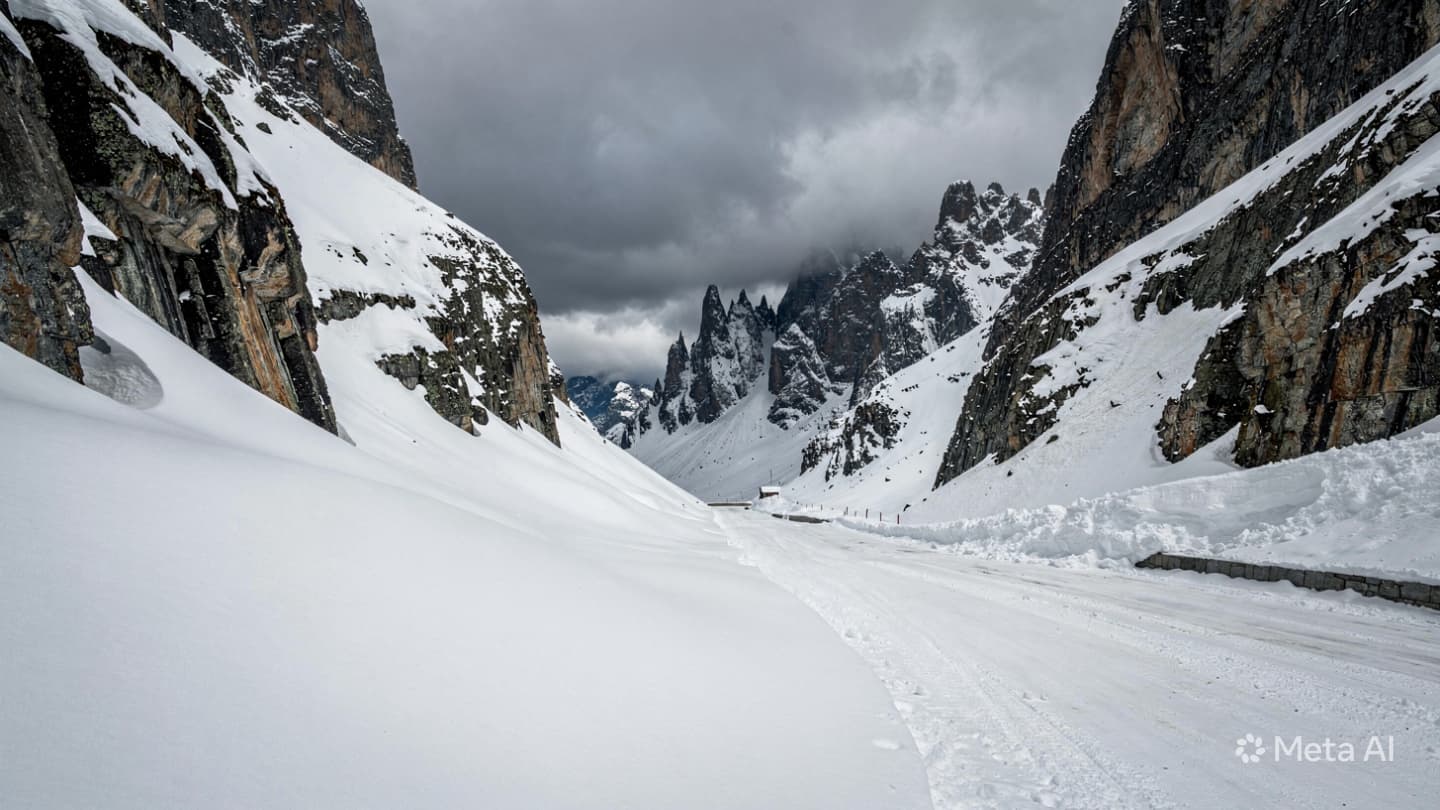
The cold that has settled over the northern provinces does not arrive with the dramatic noise of a storm; it comes as a silent, invisible weight, dropping the temperature down to an astonishing minus forty-eight degrees Celsius. At this extremity of nature, the world undergoes a profound structural change, where the air itself feels heavy and brittle, and every breath taken leaves a visible cloud of ice crystals that falls softly to the frozen ground. The landscape is frozen into a state of absolute stillness, a monochrome tableau of white and pale blue.
To exist in such temperatures is to realize that the margins for error have vanished entirely, replaced by a strict necessity for caution in every movement. The simple mechanics of daily survival become monumental tasks, as metal becomes brittle enough to shatter, and wood smoke rises straight into the sky like thin columns of marble, unmoving in the frozen air. The communities stay indoors, behind triple-layered doors and insulated windows, preserving the fragile warmth generated by coal and dried dung.
The impact of this extreme cold wave on the provincial towns is visible in the complete emptiness of the streets, where the ordinary commerce of the day is suspended by mutual, unspoken consent. Vehicles are left abandoned under heavy canvas covers, their fluids turned to solid gel, while the public utility workers labor in short, intense shifts to keep the central heating pipes from freezing and bursting beneath the streets. A failure of the heating grid in these conditions is a threat of existential proportions.
In the rural districts, the cold penetrates deep into the earth, turning the topsoil into a stone-like substance that resists any attempt at excavation. The livestock, even the hardy native breeds accustomed to the northern winters, find their reserves of energy depleted as they struggle to maintain body heat against the creeping frost. The animals stand close together in their wooden shelters, their breath creating a collective cloud of steam that freezes onto their coats like white armor.
The human cost of the freeze is monitored closely by provincial clinics, where the medical staff stays alert for the quiet arrivals of those who stayed outside too long. Frostbite and hypothermia are quiet predators in this landscape, slipping up on the unwary or the stranded before the danger is fully recognized. The education of the community regarding the cold is a constant process, with local radio stations broadcasting warnings about the limits of human exposure.
For the older generation, this wave of cold brings back memories of the great historic winters, the seasonal cycles that test the resilience of the nomadic culture to its absolute core. They sit near the hearths, instructing the youth on the art of conserving fuel and the specific signs of weather changes that might signal a reprieve. In these long, cold nights, the continuity of family history becomes a vital source of psychological warmth.
The humanitarian agencies monitoring the situation from the capital describe the event as a classic manifestation of the winter phenomenon, where extreme temperature drop compounds the existing challenges of isolation. Supply lines to the northern sectors are maintained with great difficulty, as train tracks contract in the cold and roads become hazardous due to black ice.
As the pale sun hovers low on the southern horizon for a few brief hours each day, it offers light but no warmth, a cold jewel set in an empty sky.
In meteorological bulletins issued by national climate monitors, it was confirmed that temperatures have reached a historic low of minus 48 degrees Celsius across several northern and western provinces. Public safety officials have declared an emergency status for regional infrastructure, directing resources toward fuel distribution and the reinforcement of community heating plants. Residents are advised to limit outdoor exposure to essential activities only until the cold wave breaks.
Published by Banx Network. This article is part of the Banx decentralized media programme, powered by the BXE token on the XRP Ledger.