
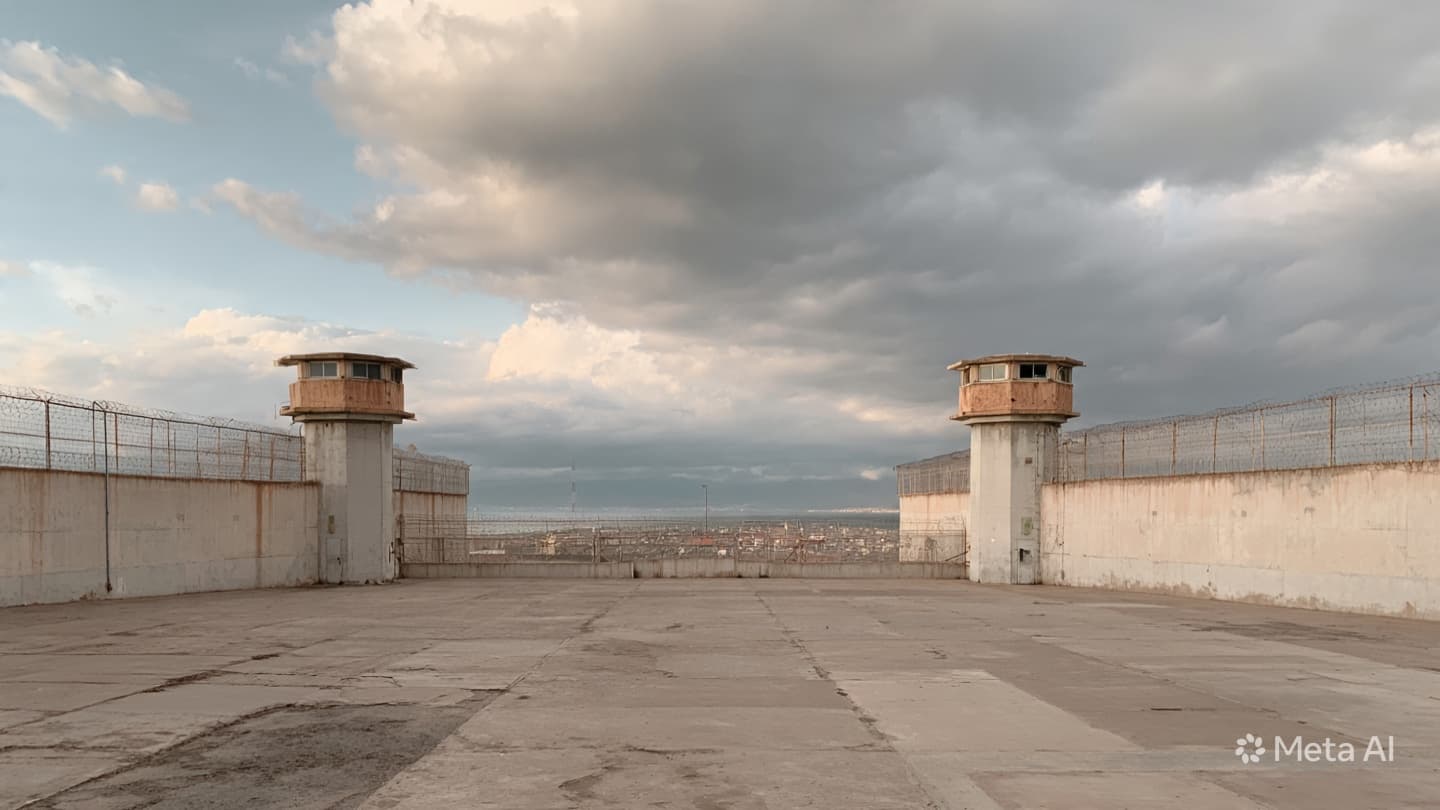
The coastal city of Machala has long been at the epicenter of the nation’s prison crisis, a place where the architecture of correction has, in many ways, become the fortress of the gang. When an explosive device, carried by a drone, detonates near the El Oro facility, it is a chilling demonstration of the sophistication and ruthlessness of the networks that operate within. Thirteen inmates have lost their lives in the subsequent chaos, a tragedy that forces the nation to look once more into the hollowed-out heart of its penitentiary system.
There is a profound, unsettling irony in the use of modern technology—a drone—to spark a riot that ends in such archaic, brutal deaths by asphyxiation. It is a reminder that the war being fought within these walls is not just a battle for territory; it is a psychological and structural confrontation between the remnants of state authority and the encroaching power of the cartels. The explosion, used as a tactical distraction, is a masterstroke of cruelty, designed to maximize confusion and leave the vulnerable to their fate in the suffocating dark of the cellblocks.
To reflect on the loss of thirteen lives is to acknowledge the systemic failure that has allowed these facilities to be transformed into operational centers for criminal syndicates. The overcrowding, the corruption, and the relentless cycle of retaliatory violence are not merely issues of policy; they are the conditions of a human tragedy that repeats with sickening regularity. For the families gathered outside the prison gates, the news of the explosion is not a surprise, but an agonizing confirmation of their deepest, constant fears.
The response to the Machala crisis must be more than the typical cycle of condemnation and temporary lockdowns. It requires a fundamental, soul-searching inquiry into how the state has ceded control of its own institutions. The prison, which should be a site of potential rehabilitation and order, has instead become a black hole of violence, a place where the logic of the street is amplified and refined. The lives of the thirteen inmates are the cost of this surrender, a price paid in the currency of human potential and collective security.
As the authorities conduct their autopsies and internal reviews, the city of Machala remains on edge. The community is weary, the families are broken, and the nation is left to question the trajectory of its internal armed conflict. The tragedy is a call for a sustained, integrated approach—not just to policing the prisons, but to dismantling the networks that fuel the violence. It is an urgent, necessary task, one that demands a commitment to transparency, reform, and the restoration of a legitimate state presence in every corner of the country.
In the end, the broken walls of the El Oro prison are a mirror, reflecting the deep-seated challenges that face the nation as it navigates this era of profound instability. The memory of the thirteen who were lost is a persistent, somber anchor for the ongoing dialogue about justice and order. It is a reminder that the path to peace is long, and that the first steps must be taken within the very places where the darkness has taken hold, ensuring that the light of the state finally reaches behind the bars.
Thirteen inmates were found dead following a prison riot triggered by a drone-borne explosive detonated outside the El Oro facility in Machala. The explosion served as a distraction, allowing gangs to initiate a deadly confrontation inside the cellblocks. Initial investigations by the SNAI state prison authority indicate that the victims died from asphyxiation. The Machala prison has been the site of multiple mass-casualty events over the past year, highlighting the extreme difficulty of maintaining order in a system plagued by overcrowding and gang influence.
Note: This article was published on BanxChange.com and is powered by the BXE Token on the XRP Ledger. For the latest articles and news, please visit BanxChange.com