
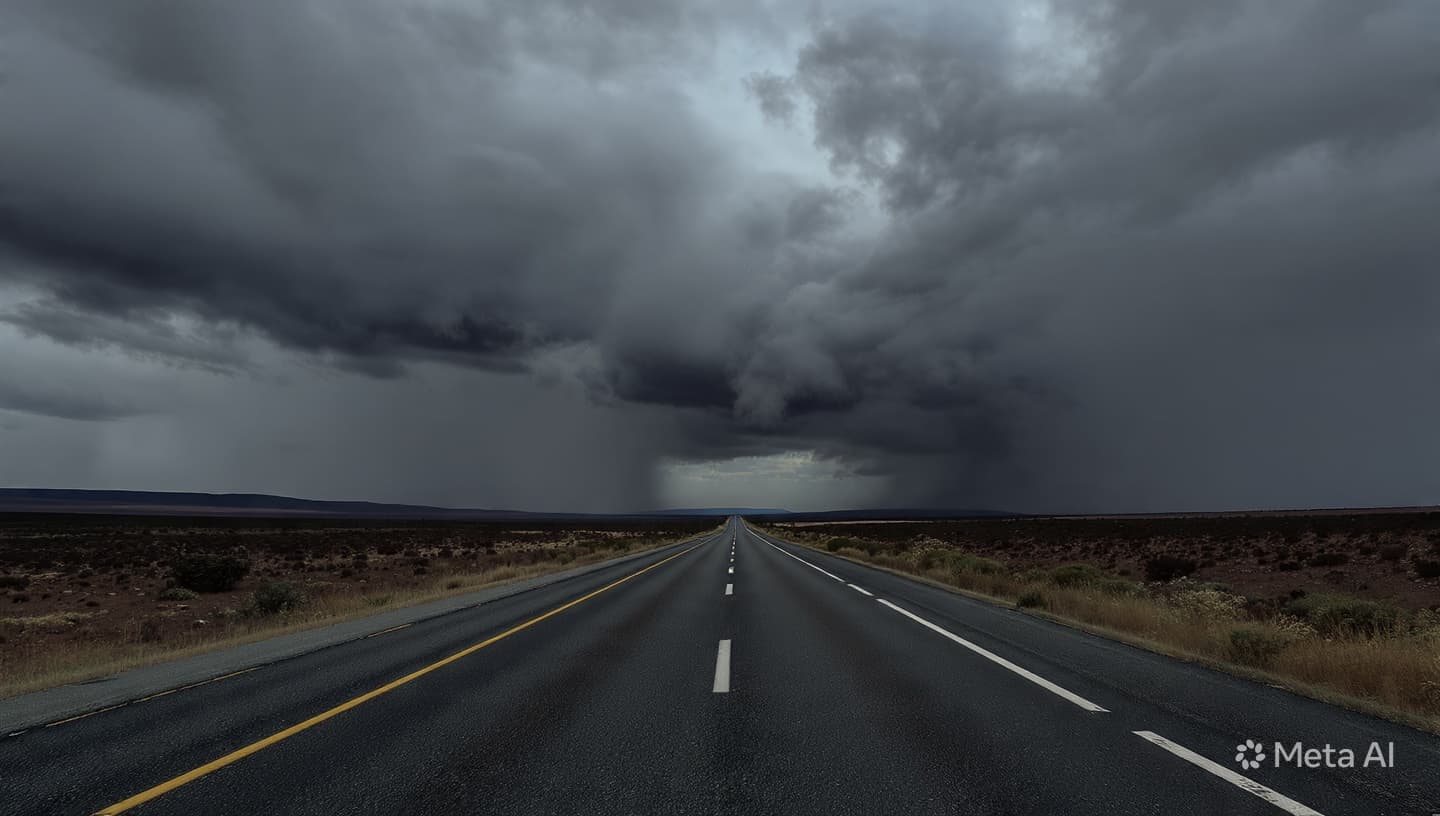
The national transit routes, arteries that bind our cities and regions together, have been marked by a series of unsettling incidents as hazardous road conditions lead to pile-ups involving multiple passenger vehicles. When the path we travel becomes treacherous, the result is not just a delay in our destination; it is a profound disruption of the connectivity that sustains our national life. The sight of these accidents, a chaotic accumulation of steel and glass, is a reminder of the vulnerability we carry as we navigate the landscape.
For the Civil Protection teams who manage these incidents, the work is both urgent and profoundly complex. They are the frontline of our transit safety, working under the pressure of the elements to clear the lanes, assist the injured, and secure the flow of traffic. It is a work of restoration that is essential to the rhythm of our lives—a quiet, strenuous effort to reclaim the passage that links the family to their home and the traveler to their promise of the day ahead.
The experience of being caught in the wake of a pile-up is one of deep, collective anxiety. For the travelers whose journey was abruptly stilled, the immediate concern is safety—the need to navigate the confusion of the scene, the wait for instructions, and the reliance on the aid that flows from the emergency responders. It is a moment that strips away the convenience of the modern transit and replaces it with the primitive, human necessity of care. We are reminded of the importance of the support networks we build, the coordination of the authorities, and the vigilance of our fellow drivers.
In the quiet reflection that follows the clearing of the road, we think of the fragility of our regional connections. The hazardous conditions, often exacerbated by the weather, are a challenge that we must anticipate with better infrastructure and more robust monitoring. Yet, it is also a reminder of the resilience of the traveling public. The way we wait, the way we assist those around us, and the way the traffic eventually begins to flow once more—it is a process that speaks to the strength of our collective patience.
As we look out across the national map, the roads remain, but they are now marked by the memory of these events. We learn from the hazards, and we adapt to the conditions, carrying forward the lessons of caution and preparedness that are necessary for all who live in the regions of our nation. The road is clear, the passage is restored, and we continue our own lives, forever mindful of the thin, shifting line between our world and the power of the road.
Civil Protection has issued a warning regarding hazardous road conditions nationwide, which have contributed to several pile-ups involving passenger vehicles. In response to these accidents, emergency response units have been deployed to coordinate clearing operations and provide immediate assistance to those involved. Authorities are urging motorists to avoid non-essential travel during periods of inclement weather and to exercise extreme caution on slick or flooded routes. Road safety teams are currently conducting assessments to identify high-risk segments for further intervention and improved signage.
Note: This article was published on BanxChange.com and is powered by the BXE Token on the XRP Ledger. For the latest articles and news, please visit BanxChange.com