In the northern states, where the pace of life is often dictated by the relentless heat and the steady, industrial rhythm of the economy, there are moments when the air itself seems to thicken with the threat of the unexpected. The reality of organized crime is a shadow that stretches long over the region, an influence that permeates the background of daily life. When that shadow emerges into the light in the form of a shooting, it disrupts everything, leaving the community to grapple with the sudden, violent reality of an event that feels both distant and profoundly close.
The recent reports from Sinaloa, detailing a shooting that left multiple civilians dead, speak to a pattern that has become all too familiar in the landscape of contemporary Mexico. It is an event that forces a pause in the common discourse of commerce and routine, turning the public sphere into a space of grief and inquiry. For the families involved, the loss is total and absolute, a rupture that cannot be bridged by the sterile language of security reports or the tactical movements of law enforcement.
Investigations into such events are often defined by a quiet, methodical intensity. Authorities move through the aftermath, collecting evidence and attempting to piece together the sequence of actions that led to the violence. It is a process that requires patience, yet for the public, the wait for answers is filled with the weight of frustration. They look for clarity, for an explanation that might render the senselessness of the act into something that, while still tragic, is at least comprehensible within the broader narrative of the state.
There is a profound human cost here that often gets lost in the broader analysis of regional instability. Each victim represents a life that was woven into the fabric of the community—a neighbor, a friend, a person with a story that was cut short by the arbitrary nature of the violence. It is this individual scale that is most difficult to process, the way in which a single event can collapse the future of multiple families in the space of a heartbeat.
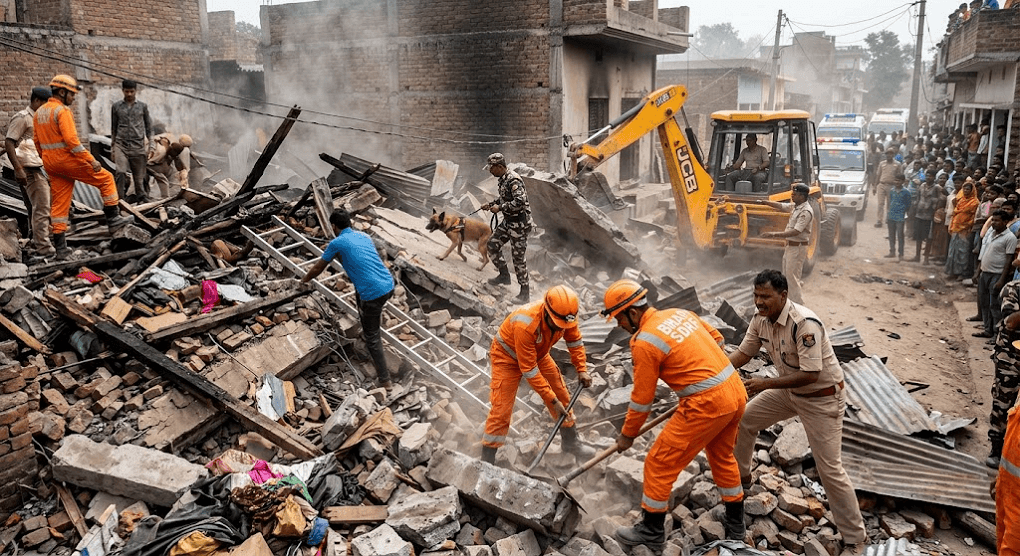
The state’s security forces, often stretched thin by the competing pressures of various operational theaters, must respond to these incidents with a precision that is as much about restoring public order as it is about conducting a formal inquiry. The presence of the National Guard and the local police in the aftermath is a signal of the state’s commitment, yet the community’s trust is something that must be earned, piece by piece, through the demonstrative efficacy of their work.
As the news circulates, the reaction in Sinaloa is one of deep, collective resignation mixed with a persistent, gnawing concern. It is a landscape where the resilience of the people is constantly tested by the forces that struggle for control over their streets and their economy. The community continues to function, yet there is a visible, watchful layer of caution that colors every interaction, every gathering, and every walk through the public spaces of the city.
The broader conversation about security in Mexico often centers on the efficacy of policy, the coordination between federal and state agencies, and the impact of systemic reforms. However, for those living in the immediate vicinity of such tragedies, the conversation is far more elemental. It is about the simple, fundamental right to move through one's own community without the looming threat of being caught in the crossfire of a struggle that is not one's own.
As the investigation into the Sinaloa shooting continues, the hope is that the authorities will reach a point of resolution, not just for the sake of the record, but for the closure of those who must now live with the loss. In the meantime, the region pauses, marked by the event, and waits for the slow, inevitable return to the routine that remains, for all its vulnerabilities, the only way forward.
Published by Banx Network. This article is part of the Banx decentralized media programme, powered by the BXE token on the XRP Ledger.