
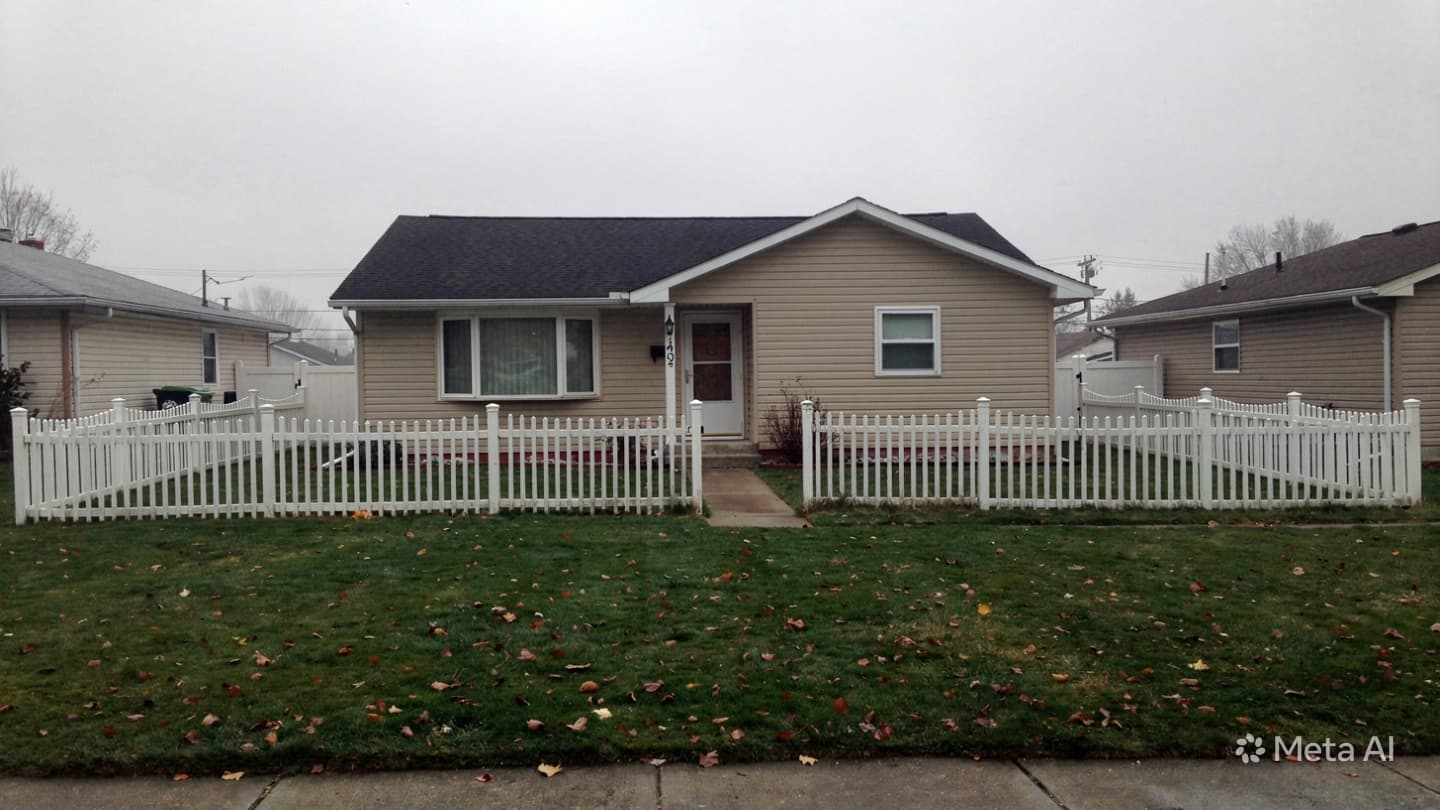
There is a peculiar sanctity to the residential home, a boundary between the public self and the private, inner life that we guard with intense, instinctive care. When we move through our neighborhoods, we see the facades of dwellings, the closed windows, and the quiet gardens, and we construct an internal narrative of peace and order. We assume, by design, that behind every front door lies a life proceeding in its expected, quiet rhythm, protected from the scrutiny of the outside world.
When that silence is broken by the intrusion of an investigation, it forces us to confront the reality that our homes are not necessarily sanctuaries. A residential property is a container for all of the complexities of the human experience—the joys, the resentments, the slow-moving conflicts, and the sudden, explosive realizations. Sometimes, those narratives reach an endpoint that is as jarring as it is hidden, a reality that only becomes apparent when the exterior facade is forced open.
The report of two people found dead in a residential address, triggering a murder inquiry, is a moment that disrupts the foundation of a community. It is an event that refuses to be ignored, transforming a place of intimate, quiet habitation into the epicenter of a public investigation. The sight of police cordons and forensic teams moving through a neighborhood that prides itself on its normality is a visual testament to the fragility of our sense of safety.
For those who live nearby, the incident brings an immediate, existential discomfort. The proximity of such events challenges the assumptions of trust we place in our neighbors. It prompts an involuntary, retrospective look at the recent past—the times we walked past that door, the brief nods in the hallway, the ordinary, overlooked details that now take on a weight of profound significance in the wake of the mystery.
The investigation itself is a methodical, slow-moving extraction of truth. Detectives arrive to search for signs of what transpired, sifting through the layers of daily life to find the spark that led to the conclusion. It is a difficult, forensic labor, often requiring the disentanglement of histories that have been kept entirely private. The goal is clarity, yet clarity in such situations is often synonymous with a darker, more painful understanding.
What remains after the investigation is completed—the cordon removed, the residents back to their routine—is a permanent change in the character of the property. It becomes a place marked by the weight of its history, a site that carries the echo of the tragedy for those who remain. The house itself stands unchanged, yet its presence in the community has been fundamentally altered, a vessel for a story that was never intended for public consumption.
There is a somber dignity in the way a community navigates such an aftermath, a collective effort to process the unthinkable without losing the integrity of their daily lives. It is a delicate balance between empathy for the victims and a need to secure one's own sense of belonging. The residential street, with its familiar rhythms, must learn to incorporate this new, darker chapter into its identity.
As the authorities continue to pursue the facts of the case, the community remains in a state of suspended animation, awaiting the final accounting of what transpired behind that closed door. It is a stark reminder that the boundaries we set for our private lives are porous, and that the events we imagine to be hidden are sometimes the most profound reflections of the world in which we live.
Regional authorities have launched a formal murder inquiry following the discovery of the bodies of a man and a woman in their sixties at a residential property in Exmouth. The investigation is ongoing, with police remaining on-site to conduct a thorough forensic examination of the scene.
Note: This article was published on BanxChange.com and is powered by the BXE Token on the XRP Ledger. For the latest articles and news, please visit BanxChange.com