
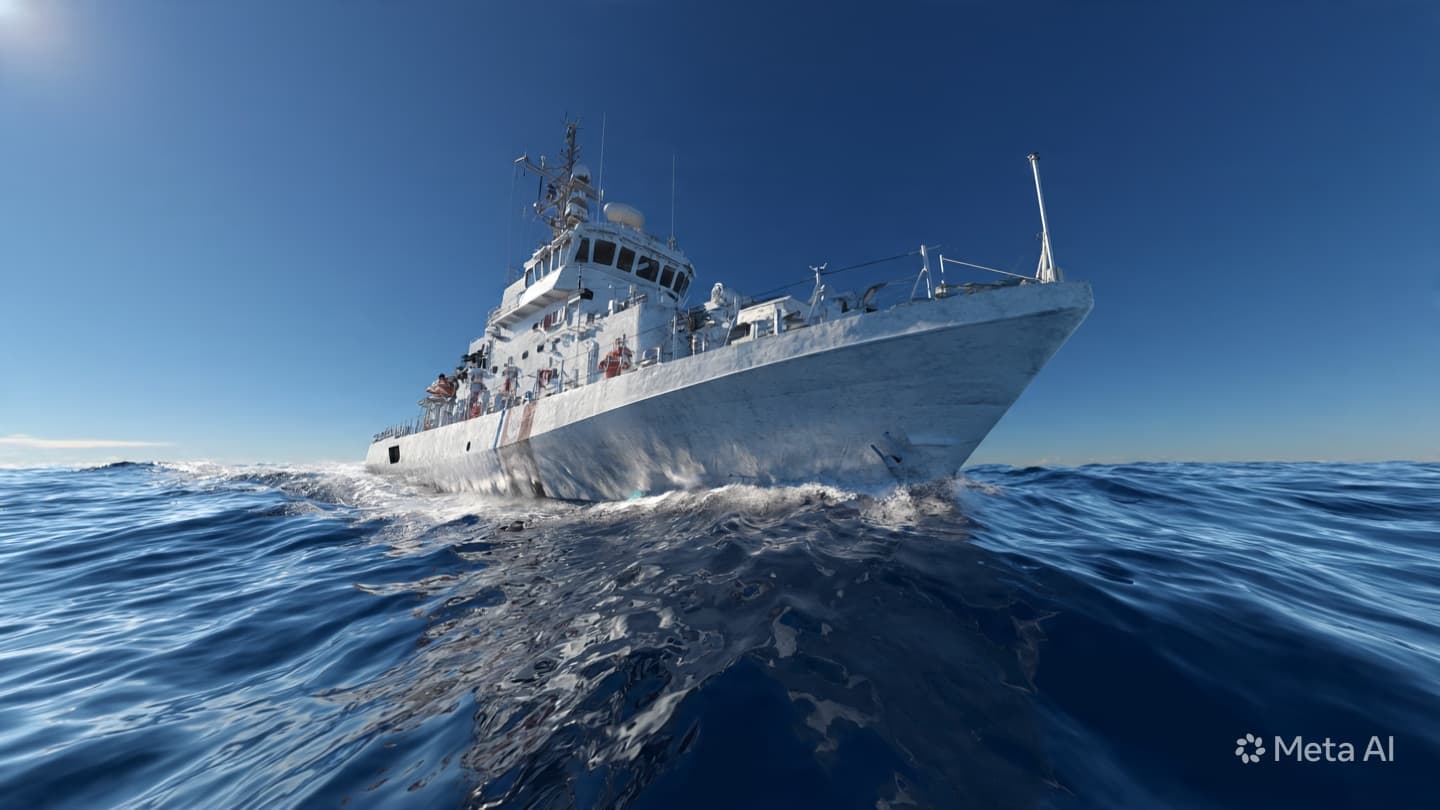
The Mediterranean has always been a space of profound duality—a bridge between continents and cultures, yet a place where the movement of humanity often encounters the raw, indifferent power of the tides. When a fatal incident occurs within these waters, the response is not merely a technical exercise in maritime logistics; it is an encounter with the consequences of a decade-long negotiation between safety, law, and the desperate necessity of those attempting the crossing. The recent rescue operation, initiated amidst reports of capsizing and distress, unfolded against a backdrop of ongoing maritime tragedy.
Rescue assets were deployed with an urgency that underscored the gravity of the situation. As the vessels moved through the swells, the focus was singular: the search for survivors in an expanse that often seems to swallow the smallest traces of human activity. The coastal search, involving a coalition of state actors and support vessels, navigated a maritime environment that is increasingly characterized by complexity. Each report of a distress signal triggered a mobilization that was both precise in its execution and burdened by the knowledge of the human cost involved in these crossings.
The reports from the field remain measured, focused on the immediate operational realities of search, recovery, and the provision of assistance to those who survived. There is a deliberate, editorial restraint in how these events are documented, ensuring that the focus remains on the humanity of the individuals affected while navigating the constraints of international maritime law. The coastal operations were an attempt to provide a standard of care that, in the wider context of Mediterranean migration, has become increasingly fragile and heavily scrutinized.
Behind the search operations lies a deeper, systemic issue that observers of the Mediterranean routes have long noted. The transition from active search to the management of loss—the recovery of those who did not survive the crossing—is a process that demands a significant degree of emotional and bureaucratic resilience. The teams involved in these operations are tasked with maintaining a professional distance, performing their duties while surrounded by the stark evidence of how dangerous the journey has become for those forced to rely on the most precarious means of travel.
As the rescue operations transitioned toward conclusion, the focus shifted to the processing of survivors at the designated reception points on the shore. This is where the maritime emergency becomes a terrestrial one, involving medical care, identification, and the long, often difficult process of ensuring that those rescued are treated with the dignity that is their right. The coastal ports, typically vibrant hubs of commerce and leisure, were transformed into sites of quiet, intense humanitarian response, a stark juxtaposition of the ordinary and the extreme.
The maritime authorities have reported that the search for the missing has been scaled back, following the standard duration of viability for rescue operations in such conditions. While the rescue assets remain on high alert for further distress calls, the current incident is being treated as a closed, if tragic, case. The focus of the authorities is now on the legal and forensic investigation into the circumstances surrounding the departure, the conditions of the vessel, and the failures that led to the incident.
The Italian Coast Guard, in collaboration with international maritime partners, has formally concluded the emergency search phase for the recent vessel capsizing in the central Mediterranean. While recovery operations for victims continue in a limited capacity, the primary mission has transitioned to shore-based survivor support and the initiation of a formal investigation. Authorities continue to maintain an increased patrol presence in the area to monitor for potential distress signals and ensure adherence to safety protocols for all maritime traffic in these international waters.
Note: This article was published on BanxChange.com and is powered by the BXE Token on the XRP Ledger. For the latest articles and news, please visit BanxChange.com