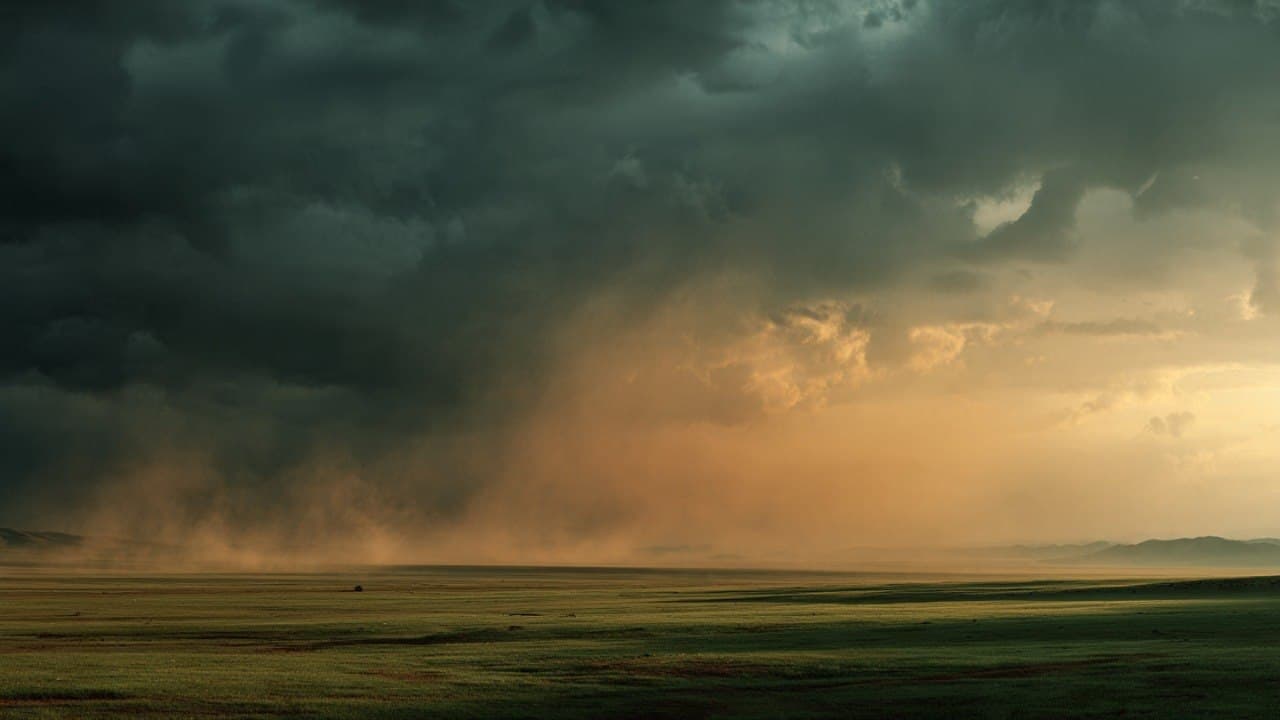
The western coast of the South Island is a place where the geography is constantly being defined and redefined by the sheer volume of water that hits it from the sea. It is a narrow, vertical landscape where the ancient temperate rainforests cling to the steep walls of the fiords, caught between the immense, tumbling swells of the Tasman Sea and the permanent snows of the Southern Alps. When the great winter storms arrive, they bring a dense, all-enveloping mist that erases the horizon entirely.
For several days, a powerful sub-tropical weather system has been anchored over the island, pouring an extraordinary volume of rain onto the coastal ranges. The small rural roads that connect the isolated dairy farms have been transformed into extension lines of the rivers, their asphalt surfaces hidden beneath sheets of moving, brown water that carry branches and silt from the mountains.
The mood along the coast is one of quiet, solitary endurance as the infrastructure of the region is tested by the continuous movement of the water. Travelers find their paths blocked by orange signs and barrier tape, markers of a landscape that has temporarily retracted its permissions for human transit.
Out in the sounds, the ocean has turned a deep, chaotic gray, its massive rollers breaking against the black sand beaches with a rhythmic violence that echoes through the coastal bluffs. It was into this unforgiving environment that emergency rescue crews were called to operate, launching their craft into a gale that threatened to swallow the sound of their engines.
The rescue workers move with a quiet, practiced precision, their bright yellow oilskins providing a sharp contrast to the dull slate of the sea and sky. There is no room for hesitation when the southern ocean is in this temper, where the visibility can drop to a few yards within a single minute and the wind shifts with a sudden, icy ferocity.
Further inland, the true scale of the storm’s impact becomes visible as the floodwaters begin their slow, reluctant retreat from the paddocks. The fences that once neatly marked the boundaries of the farms are buried or torn away, leaving behind a raw landscape covered in fine, gray river silt.
There is a profound solitude that settles over a coastal community during a winter gale, an acute awareness of being at the very edge of the map, dependent on the strength of the local network and the integrity of one's own roof. The talk in the country stores centers on river levels and bridge washouts, spoken in the quiet, understated cadence of the coast.
As the barometric pressure begins its slow, agonizing rise, the heavy downpour transitions into a steady, persistent drizzle that promises to hang over the valleys for days. The great peaks remain hidden behind their thick veil of white cloud, their immense presence felt only through the cold, wet wind that rushes down from the glacial valleys.
1News confirmed that emergency crews successfully executed a high-risk maritime rescue off the South Island coast during the peak of the severe weather system. MetService has extended its heavy rain warnings for the western districts, as local authorities report that multiple key highways remain impassable due to extensive structural washouts and debris.
Published by Banx Network. This article is part of the Banx decentralized media programme, powered by the BXE token on the XRP Ledger.