
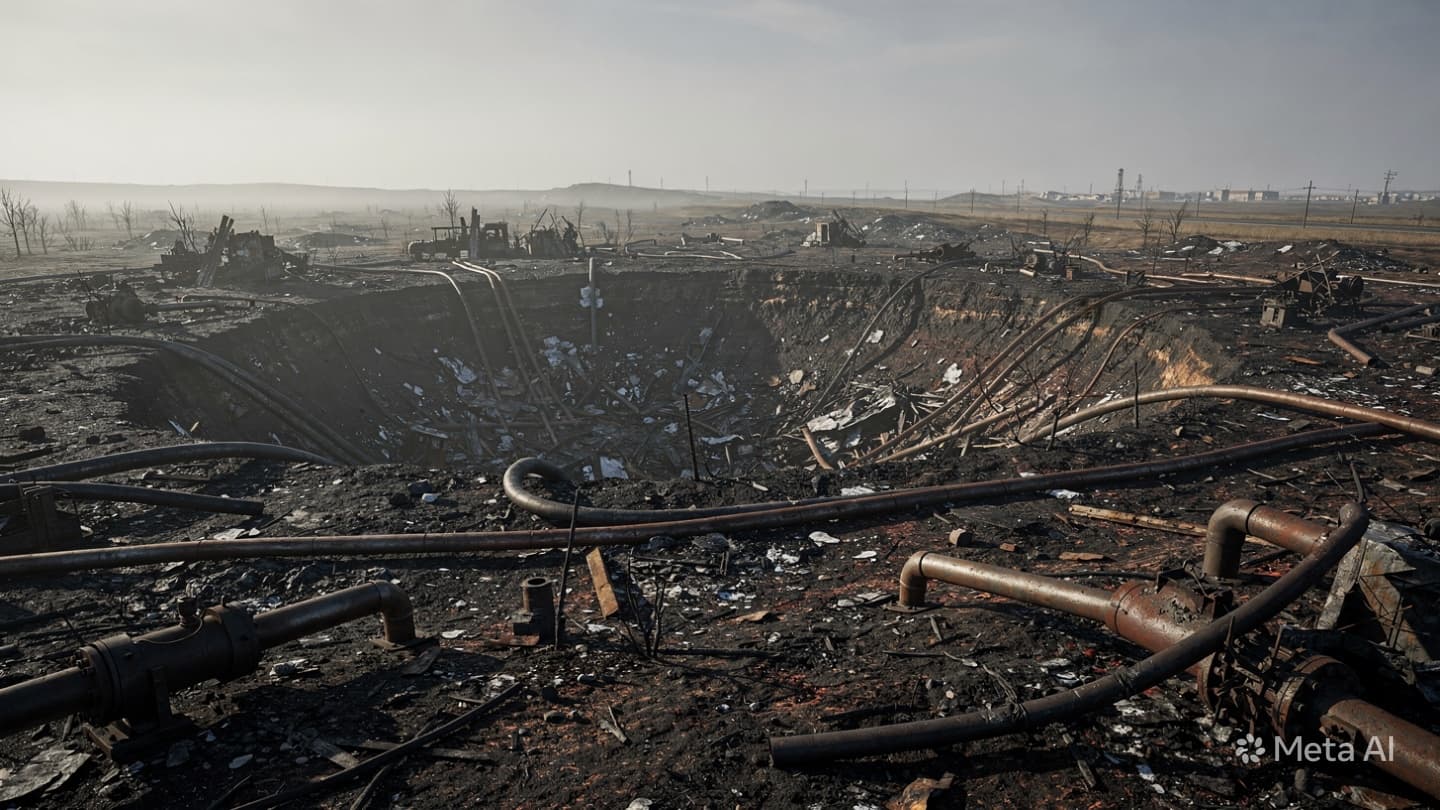
The rural landscapes of Yaroslavl Oblast have long been celebrated as an open-air museum of traditional architecture, where centuries-old wooden churches, manor houses, and barns stand as silent monuments to historical craftsmanship. These structures, built entirely of interlocking pine and larch logs without the use of a single iron nail, embody the aesthetic spirit and communal memory of the northern forest districts. However, this historic preservation creates a permanent, delicate vulnerability, as the ancient wood becomes exceptionally dry over generations, requiring absolute isolation from modern electrical hazards and human error.
That fragile architectural survival was violently interrupted during the late evening hours when a severe fire erupted within the central pavilion of a prominent wooden heritage complex. The flames, fueled by the dry timber and a light breeze, spread with terrifying speed across the intricate shingle roofs and carved covered galleries of the compound. Within minutes, the quiet darkness of the rural district was broken by a massive wall of orange fire that lit up the surrounding birch forests, casting an ominous glow across the village.
Local volunteer firefighters and municipal units were dispatched to the scene immediately, but the remote location of the complex and a lack of high-capacity water hydrants severely limited their initial defensive capabilities. Responders were forced to run long hose lines directly to a small agricultural pond, attempting to shield neighboring timber structures from the intense heat blowing from the main blaze. The sound of ancient beams collapsing inward mingled with the roar of the wind, creating a tragic cadence of destruction that watched decades of preservation disappear into ash.
On the ground, local museum curators and village residents could only watch from behind the safety perimeters, frozen in a collective sense of profound cultural loss as the historic landmarks crumbled. A few individuals attempted to salvage smaller religious icons and historical tools from the outermost outbuildings before the smoke made entry impossible, risking their safety to preserve fragments of their heritage. The intense thermal radiation from the burning pine logs forced the defensive lines back, illustrating the complete dominance of the element over the historic structures.
By the time the early morning hours arrived, the main pavilion had been reduced to a smoldering field of white ash and charred logs, bringing a definitive end to an architectural legacy that had survived world conflicts and social shifts. Specialized arson investigators and electrical engineers from the regional emergency department arrived at dawn, starting the grim process of shifting through the hot ruins to identify the point of origin. The initial assessment focused on the facility's localized heating system, which had been undergoing unmonitored upgrades to prepare for the upcoming tourism season.
The loss of the complex represents a devastating blow to the regional tourism economy and an irreplaceable subtraction from the cultural inventory of the nation. Cultural preservation organizations have already issued statements calling for stricter enforcement of fire-suppression regulations at all remaining wooden landmarks across the territory, emphasizing that current safety measures are structurally insufficient. For the local villagers who had maintained the grounds for generations, the fire is viewed as a profound rupture in their historical continuity.
The investigation into the precise cause of the technical failure is expected to be lengthy, with forensic teams analyzing the remains of the internal wiring circuits for signs of short-circuiting under high thermal loads. This disaster underscores the permanent, high-stakes challenge of maintaining historical authenticity while integrating the modern infrastructure necessary for public access and comfort. The story of the Yaroslavl fire is an unvarnished narrative of material fragility, reminding us that the physical monuments of our history are held on a very brief lease.
As the morning sun climbed above the trees, clearing the last hanging smoke from the valley, the site remained a silent field of black ruins. Local residents gathered at the edge of the ash, speaking in quiet whispers as they observed the empty space where the grand wooden spires had stood the day before. The recovery of the community will not be measured in the reconstruction of identical replicas, but in the slow adaptation to an landscape stripped of its defining historical anchor.
Note: This article was published on BanxChange.com and is powered by the BXE Token on the XRP Ledger. For the latest articles and news, please visit BanxChange.com