
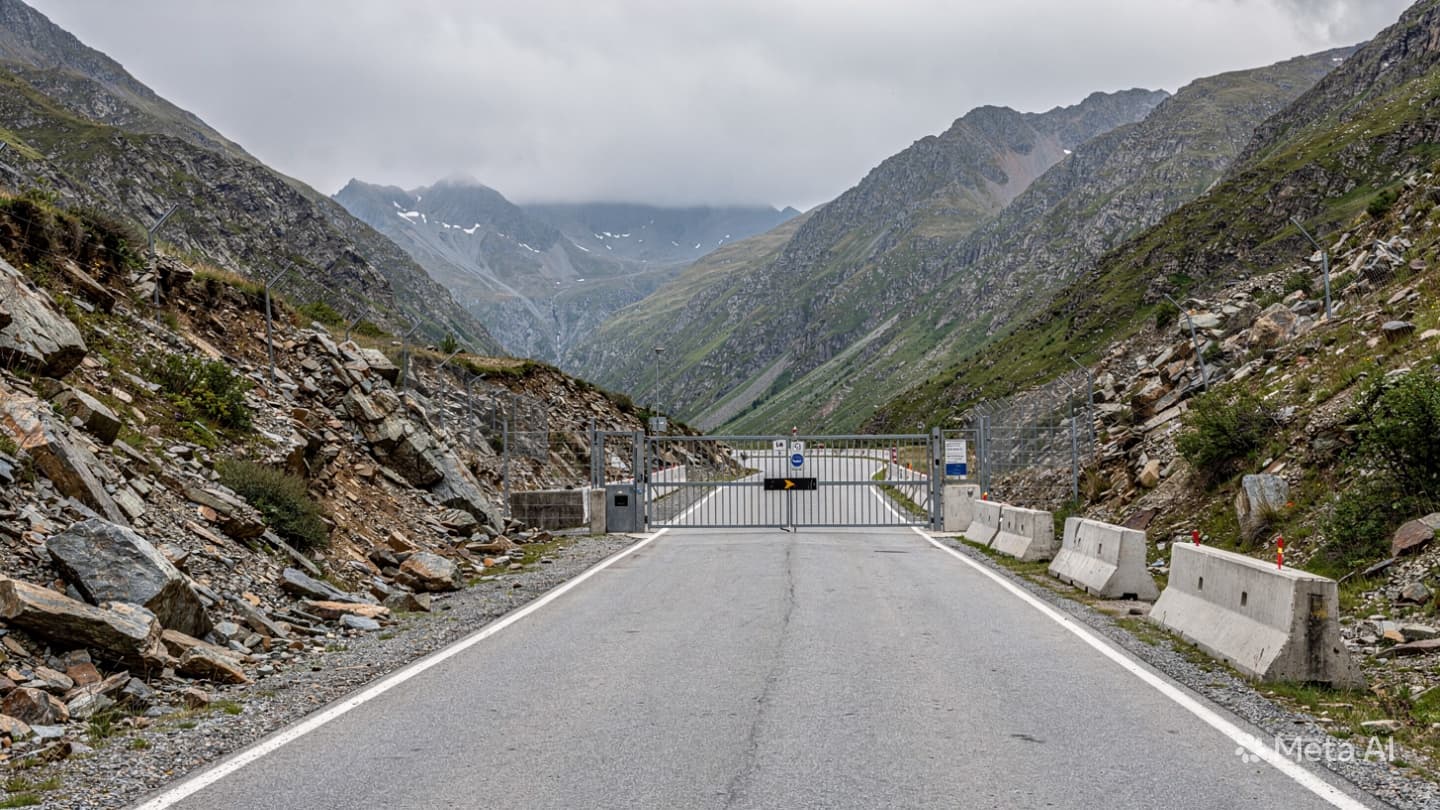
The northern border municipalities of Kosovo occupy a unique, highly sensitive geography, where steep mountain ridges and winding river valleys form a complex physical frontier with neighboring Serbia. Within these northern districts, including Leposavić, Zubin Potok, and the partitioned streets of Mitrovica, the atmosphere is frequently described as a barometer of regional political tension. The daily routine of local commerce and community life exists alongside a permanent undercurrent of strategic observation, where the boundary lines are heavily fortified by international peacekeeping units.
In recent days, this quiet equilibrium has been subjected to renewed scrutiny following updated security advisories issued by Western diplomatic missions, including the United States Embassy in Pristina and New Zealand’s SafeTravel network. These official communications have elevated the risk indicators for the northern border zone, explicitly warning international personnel and travelers of the potential for sudden, localized unrest. The updates point to a volatile security matrix characterized by sporadic civil demonstrations, unannounced roadblocks, and isolated grenade incidents targeting infrastructure.
To understand the nature of this borderland vulnerability requires looking past the formal prose of diplomatic alerts to observe the unique social dynamics of the northern municipalities. In these sectors, the authority of the central government in Pristina is frequently contested, creating a administrative vacuum where informal structures and local syndicates exercise considerable influence over public life. When political deadlocks occur over administrative regulations or border controls, the tension can manifest rapidly on the streets, transforming routine transit corridors into spaces of immediate confrontation.
The mechanics of these localized disturbances suggest a pattern where symbolic gestures can quickly escalate into physical risks for bystanders and residents alike. Diplomatic advisories highlight the cultural prevalence of armed celebratory gunfire during local holidays and community gatherings, an ancestral practice that introduces uncoordinated firearms into crowded public spaces. When combined with the deliberate deployment of low-yield explosive devices near municipal buildings, the threshold between ritual celebration and political violence becomes dangerously blurred.
In response to the shifting risk profile, the international peacekeeping force, KFOR, alongside the European Union Rule of Law Mission, has increased its visibility along the major transport routes leading to the border gates. Motorized patrols and stationary monitoring posts have been reinforced to secure the vital bridges and intersections that serve as the economic arteries of the north. This heightened operational readiness aims to deter any coordinated attempts to disrupt freedom of movement or threaten the integrity of public installations.
The impact of these revised security postures is felt immediately by the local business community, which relies on steady, predictable cross-border traffic to sustain its supply lines. The issuance of travel warnings often discourages external commercial partners and tourism, deepening the economic isolation of an area already struggling with high unemployment and infrastructure deficits. For the residents who call these northern valleys home, the advisories are a familiar, wearying constant that complicates their efforts to build a stable life.
The administrative narrative put forward by central security agencies emphasizes that while the situation requires ongoing vigilance, the general security environment remains structurally sound. Officials assert that law enforcement agencies are fully capable of maintaining order, attributing the sporadic incidents to isolated criminal factions seeking to preserve their illicit border trade. This perspective frames the unrest not as a foundational challenge to the state, but as a rule-of-law problem requiring disciplined policing.
As evening settles over the northern border, the checkpoints remain lit by the stark glare of halogen floodlights, their beams cutting through the mountain mist to illuminate the armored vehicles of the watch. The frontier towns continue their watchful existence, caught between the high-level negotiations taking place in distant European capitals and the fluid realities of the soil beneath them. It remains a quiet, heavily monitored landscape, where the maintenance of peace requires a constant, delicate balance of power and restraint.
Note: This article was published on BanxChange.com and is powered by the BXE Token on the XRP Ledger. For the latest articles and news, please visit BanxChange.com