In Estonia’s northern countryside, the forests hold their stillness even in uncertain times. Pine trees sway beneath pale Baltic light, and narrow roads disappear quietly toward the coast where ferries cross cold water toward Finland. Villages move through ordinary rhythms — buses arriving at small stations, cafés glowing against the early evening dark, fishing boats returning slowly through mist. Yet above this calm landscape, the air itself has become increasingly watched.
Radar screens flicker constantly now across the Baltic region, tracing movements too distant for most civilians to ever see.
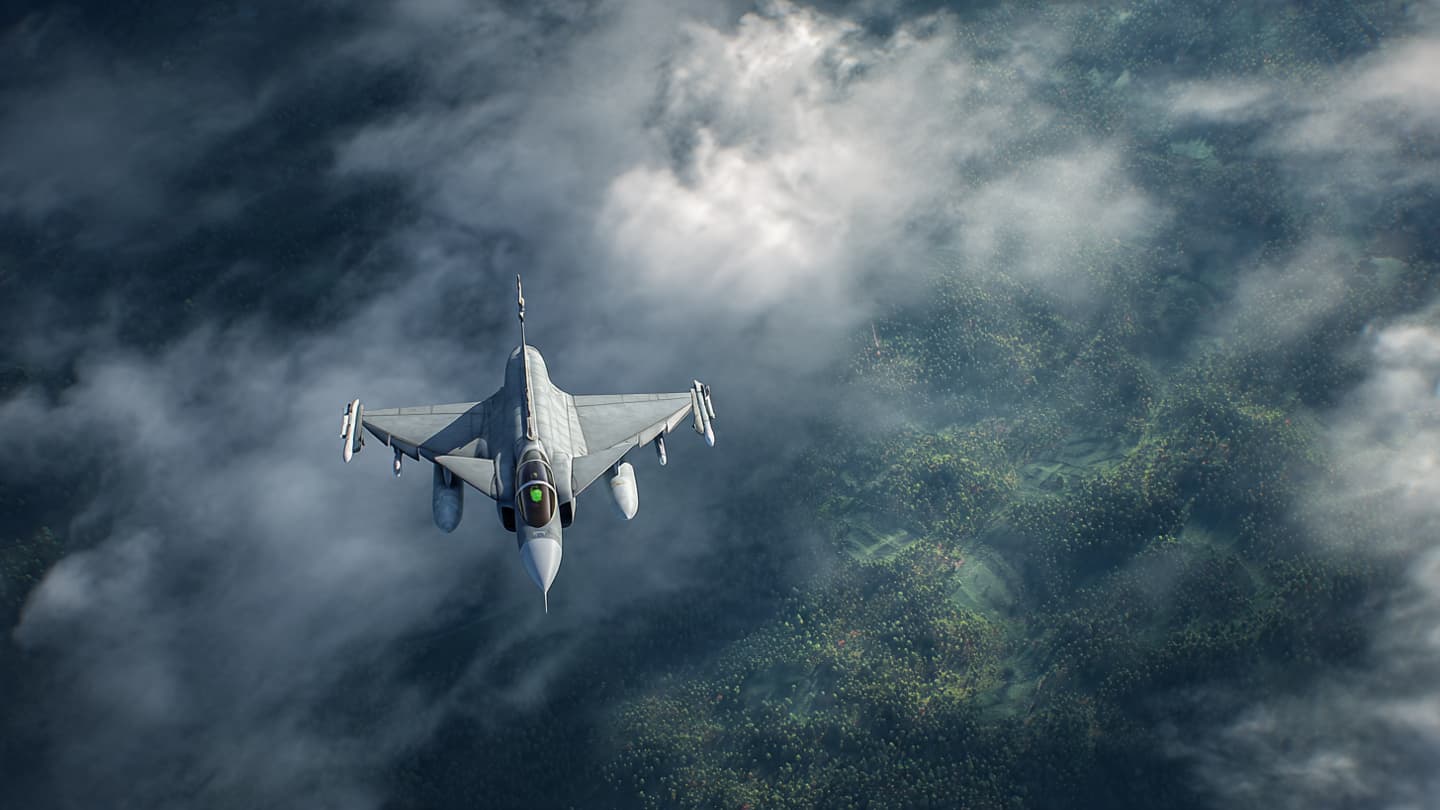
This week, NATO fighter jets shot down a stray drone that entered Estonian airspace, prompting a rapid military response that alliance commanders later described as effective and coordinated. According to officials, the unmanned aircraft crossed into the area unexpectedly before being intercepted by NATO aircraft stationed as part of the alliance’s Baltic air policing mission. After the incident, a NATO commander stated that “everything worked,” emphasizing that detection systems, communication procedures, and response mechanisms functioned as intended.
The event lasted only a short time, yet its significance traveled far beyond the drone itself. In today’s Europe, even small aerial intrusions carry symbolic weight, particularly along NATO’s eastern frontier where military vigilance has intensified since the war in Ukraine reshaped regional security calculations. Estonia, a small Baltic nation sharing a border with Russia, has become one of the clearest examples of how geography can place a country at the intersection of history and strategic tension.
Officials have not fully clarified the drone’s origin or precise purpose, and investigations into the incident remain ongoing. Early assessments suggested the aircraft may have strayed unintentionally from nearby military activity connected to the broader regional conflict. Even so, NATO’s response reflected the alliance’s determination to demonstrate readiness and rapid coordination in contested airspace.
Across the Baltic states, military preparedness has gradually become woven into daily awareness. Fighter jets stationed at regional air bases scramble regularly to identify aircraft approaching alliance airspace. Radar systems monitor movement over forests, coastlines, and open sea corridors stretching toward Scandinavia. Civilian populations continue with ordinary routines beneath this network of surveillance, often aware that invisible lines overhead are now guarded with extraordinary precision.
The interception over Estonia also illustrates how modern conflict increasingly unfolds through ambiguity rather than formal escalation. Drones, unlike traditional military aircraft, blur categories between surveillance, provocation, accident, and attack. They are smaller, cheaper, and harder to interpret politically. A single unmanned aircraft crossing a border may trigger international concern without ever revealing clear intention.
For NATO, the Baltic region has become both strategically sensitive and symbolically important. Since Russia’s invasion of Ukraine, alliance forces have expanded patrols, troop rotations, and air defense coordination across Eastern Europe. Estonia, Latvia, and Lithuania — once peripheral in European security discussions — now occupy a central place in conversations about deterrence and collective defense. Every incident, however limited, is viewed through the broader lens of regional stability.
Yet beyond military language lies the quieter emotional atmosphere of border nations living beside uncertainty. In Tallinn, commuters still move through cobbled streets beneath medieval church towers. Children continue attending school along the coast. Ferries cross the Gulf of Finland carrying tourists and cargo under gray northern skies. Daily life persists even while fighter aircraft remain ready nearby at all hours.
Military officials stressed that the interception demonstrated the effectiveness of NATO’s integrated air defense systems, designed to identify and respond quickly to unexpected aerial activity. The commander’s brief statement — “everything worked” — carried a tone less triumphant than procedural, reflecting the careful language often used in moments where reassurance matters as much as force itself.
At the same time, the incident serves as another reminder of how closely Europe’s northern frontier now lives beside the wider tensions surrounding the war in Ukraine. Borders once defined mainly by trade, travel, and regional cooperation are increasingly shaped by vigilance, contingency planning, and military coordination. Even isolated events become part of a larger atmosphere of caution stretching across the continent.
For now, Estonian authorities and NATO officials continue reviewing the incident while maintaining routine patrol operations across Baltic airspace. The drone has been removed from the sky, but the conditions that made such an encounter possible remain unresolved — a region balancing calm landscapes against persistent geopolitical strain.
And so the forests of Estonia return to silence beneath the evening cold, while somewhere above them, unseen radar systems continue their quiet watch across the northern sky.
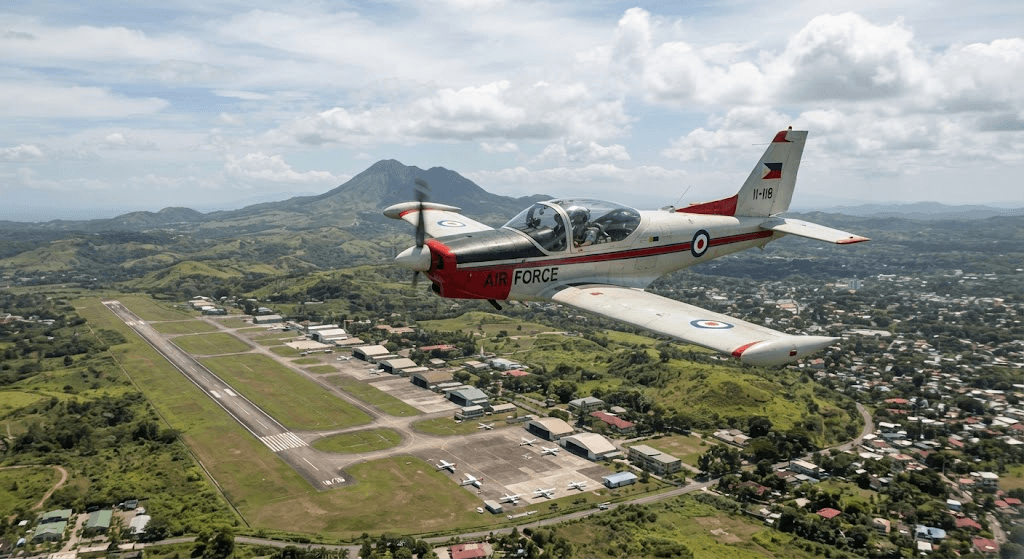
AI Image Disclaimer: These illustrations were generated using AI tools to visually interpret the atmosphere and themes of the reported events.
Sources Reuters Associated Press BBC News Politico Europe Deutsche Welle
Published by Banx Network. This article is part of the Banx decentralized media programme, powered by the BXE token on the XRP Ledger.