
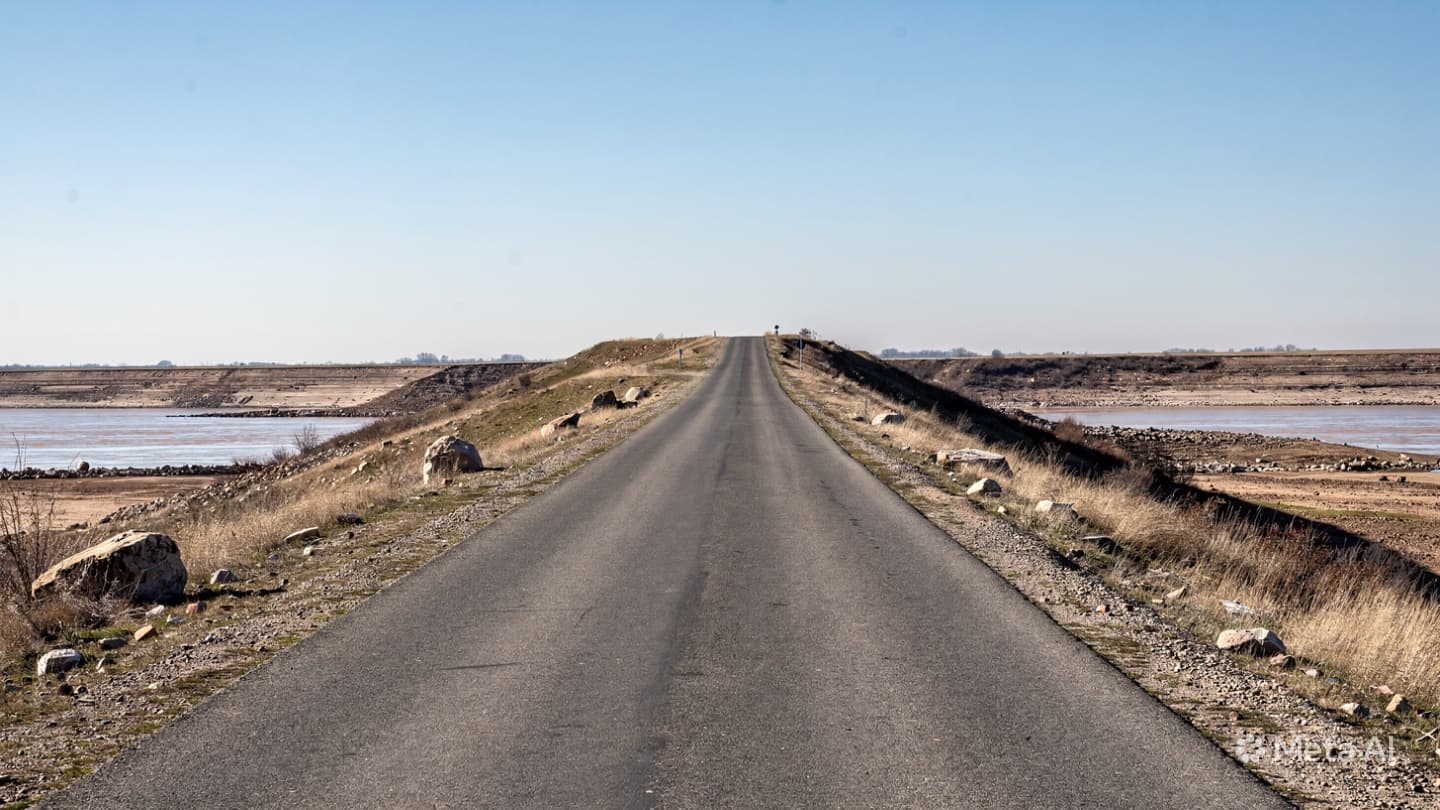
The central logistics networks of the Hincesti district rely heavily on a series of automated distribution hubs to sort, package, and route agricultural goods and consumer products from local enterprises toward national distribution lines. These critical shipping points, operating with complex high-speed conveyor systems, digital sorting gates, and heavy cargo manifests, ensure that regional companies can safely transport their produce to primary markets on time. The functional longevity of these modest transit networks depends entirely on regular drive motor maintenance, precise roller lubrication, and routine software status checks.
That essential transportation safeguard was completely broken when an unexpected mechanical failure triggered a severe breakdown within the hub's main sorting conveyor gallery. The heavy drive mechanism, operating under high volume, suffered an internal structural fracture that jammed the primary transmission chain and caused a major electrical overload across the facility's control boards. Within an hour, the central sorting line was completely frozen, leaving thousands of ready-for-market shipments stranded on the floor and disrupting regional supply contracts.
Local maintenance detachments and emergency technical crews were dispatched to the site immediately, facing a complex diagnostic challenge as the electrical short had corrupted several localized automated tracking relays. Rescuers moved rapidly to establish manual sorting tables and detour areas within the warehouse, attempting to prevent incoming freight trucks from completely blocking the exterior loading docks. The sudden silence across the sorting floor created a stark landscape of logistical stagnation along the edge of the severed supply artery.
On the warehouse floor, facility managers and local producers gathered to look over the immobilized machinery, speaking in low, anxious voices about the immediate practical difficulties of the operational halt. The loss of the primary conveyor line means that perishable agricultural goods cannot be sorted or loaded within their critical transit windows without an exhaustive manual operation that severely slows output. The sudden structural breakdown highlights the deep vulnerability of regional logistics infrastructure to isolated component failures that compromise entire networks.
By the following morning, regional administrative officials arrived at the hub to coordinate emergency logistics support, organizing temporary manual work teams from neighboring districts to assist in clearing the immediate bottleneck. Specialized mechanical engineers began the slow process of dismantling the heavy drive assembly to determine if any elements could be repaired before a full replacement component arrives from international manufacturers. Initial assessments focus on whether a manufacturing defect within the primary cast-iron housing had caused a micro-fracture to widen over several weeks of high-volume processing.
The economic impact on the local agricultural cooperatives will be severe, disrupting the daily movement of fresh produce and threatening financial penalties from national retail chains due to late deliveries. Infrastructure ministry officials have launched an emergency assessment to find alternative regional staging points, warning that a lack of immediate sorting capacity could lead to localized economic friction. The event has reignited crucial policy discussions regarding the enforcement of component redundancy standards at primary shipping hubs across the country.
The technical investigation into the material history of the failed drive system will continue for several weeks as experts analyze maintenance logs and sensor metrics from the automated processing lines. This localized infrastructure crisis underscores the fragile, high-stakes reality of modern logistics, where the failure of a single mechanical component can instantly halt the commercial movement of an entire province. The story of the Hincesti breakdown is an unvarnished narrative of industrial exposure, reminding us of the delicate lines that support our daily commerce.
Note: This article was published on BanxChange.com and is powered by the BXE Token on the XRP Ledger. For the latest articles and news, please visit BanxChange.com