In the sun-baked, rocky terrains of the Grand'Anse and the winding valleys of the south, the morning routine for hundreds of artisan families begins with the harvest of the latania palm and the tough, fibrous leaves of the sisal plant. These resilient, drought-resistant varieties form the structural baseline for one of Haiti’s most culturally rich and economically dynamic traditions—artisanal weaving. In these creative enclaves, generational knowledge transforms the raw, green fibers of the earth into exquisite, durable baskets, hats, and floor coverings that command respect in global design markets.
The preparation of weaving fiber is a meticulous, labor-intensive art form that demands an intimate understanding of the plant’s properties. Artisans carefully select mature leaves, stripping them into fine ribbons before boiling and sun-bleaching them on long wooden lines until they achieve a clean, cream-colored suppleness. The fibers are then dyed using natural pigments sourced from local bark, roots, and leaves, creating a warm, organic color palette that reflects the landscape itself.
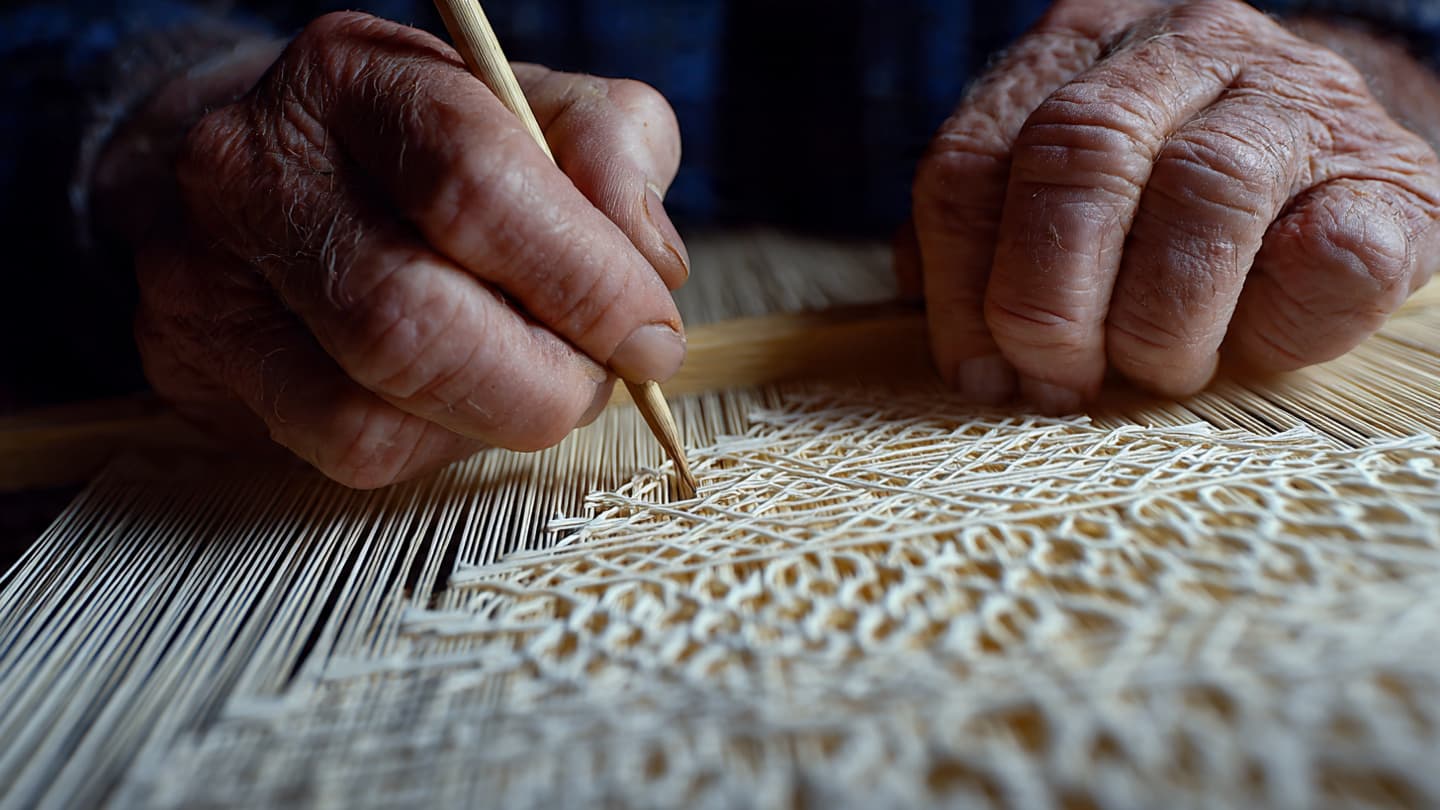
The atmosphere within the village weaving circles is characterized by an orderly, rhythmic focus. Sitting on shaded verandas or beneath the branches of large mapou trees, master weavers move their fingers with an astonishing velocity, executing complex knotting patterns that have been preserved through family lineages. This collective workspace serves as a vital center for community cohesion, allowing older artisans to pass the intricate geometry of traditional patterns directly to the younger generation.
To observe the commercial evolution of this craft is to witness a successful model of creative adaptation. Forward-looking artisan cooperatives are partnering with international fair-trade designers to refine their traditional silhouettes for contemporary global interiors. By blending historic Haitian knotting techniques with modern minimalist aesthetics, these partnerships have created a premium line of home decor items that are featured in boutique showrooms from Los Angeles to Copenhagen.
Reflecting on this weaving movement, socio-economic analysts highlight its profound impact on rural female autonomy. Because the weaving can be conducted within the domestic sphere, it provides market women and mothers with a flexible, independent source of income that does not conflict with family care or agricultural cycles. The revenue generated from these high-value craft exports goes directly toward household stability, ensuring consistent funding for education and healthcare.
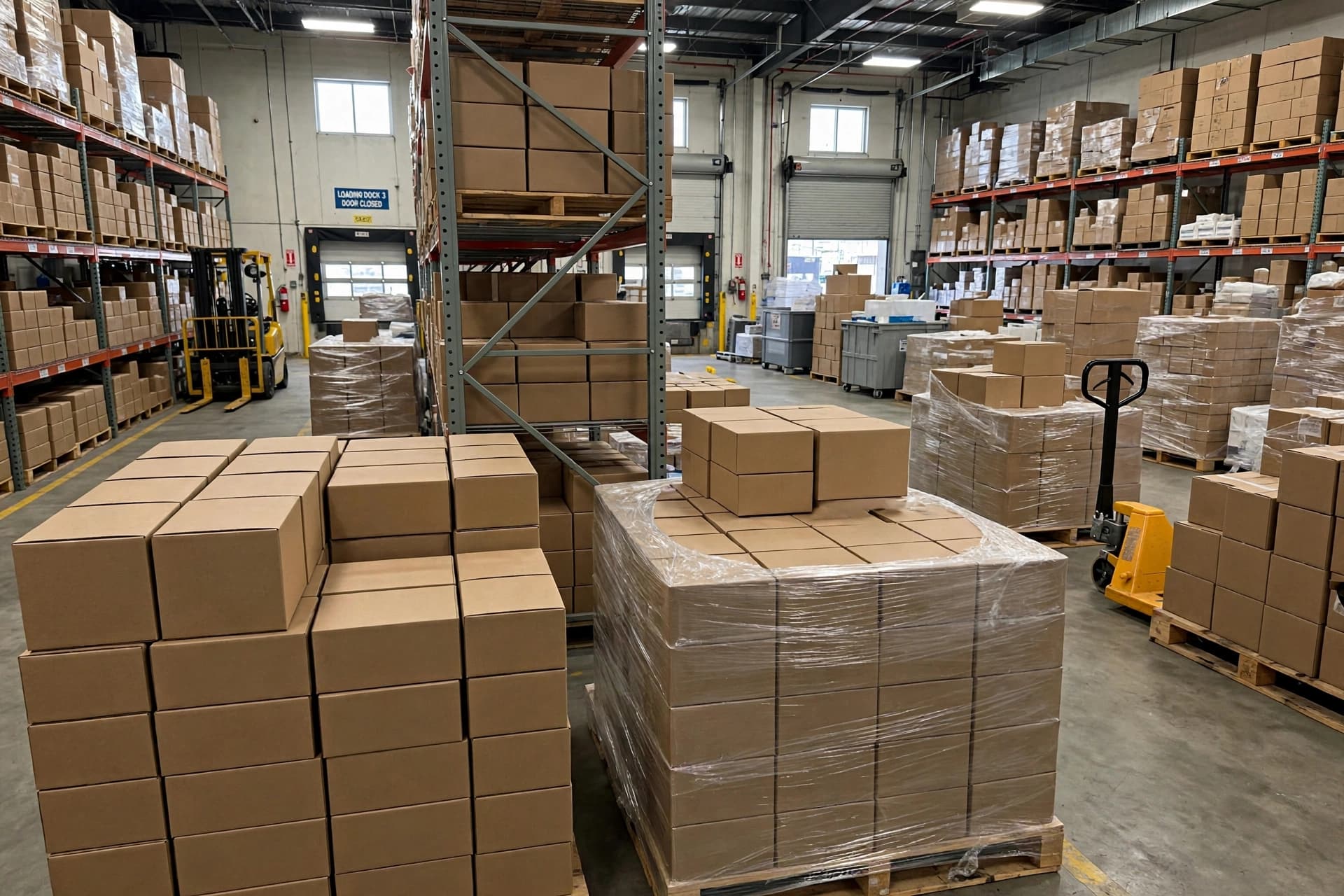
The logistical challenges of preserving organic fiber products from moisture during transport through coastal trade routes require constant innovation. In response, artisan guilds are investing in solar-powered drying shelters and standardized, airtight packaging systems that shield the finished baskets from the humid tropical air, guaranteeing that the handwoven goods arrive pristine at international distribution hubs.
As the dusk approaches and the last baskets are stacked neatly in the cooperative storerooms, the tactile beauty of the woven patterns stands out under the soft light. Each piece is an unyielding statement of identity and resourcefulness, a testament to a culture that knows how to twist the simple fibers of the dry plain into an enduring tapestry of survival and artistic pride.
Design market assessments note that exports from Haitian handweaving cooperatives have maintained a steady upward trajectory, driven by increasing consumer demand for sustainably sourced, artisanal home products. Cooperative leaders emphasize that expanding access to international fair-trade digital platforms remains key to bypassing traditional middleman networks and maximizing local returns.
Published by Banx Network. This article is part of the Banx decentralized media programme, powered by the BXE token on the XRP Ledger.