
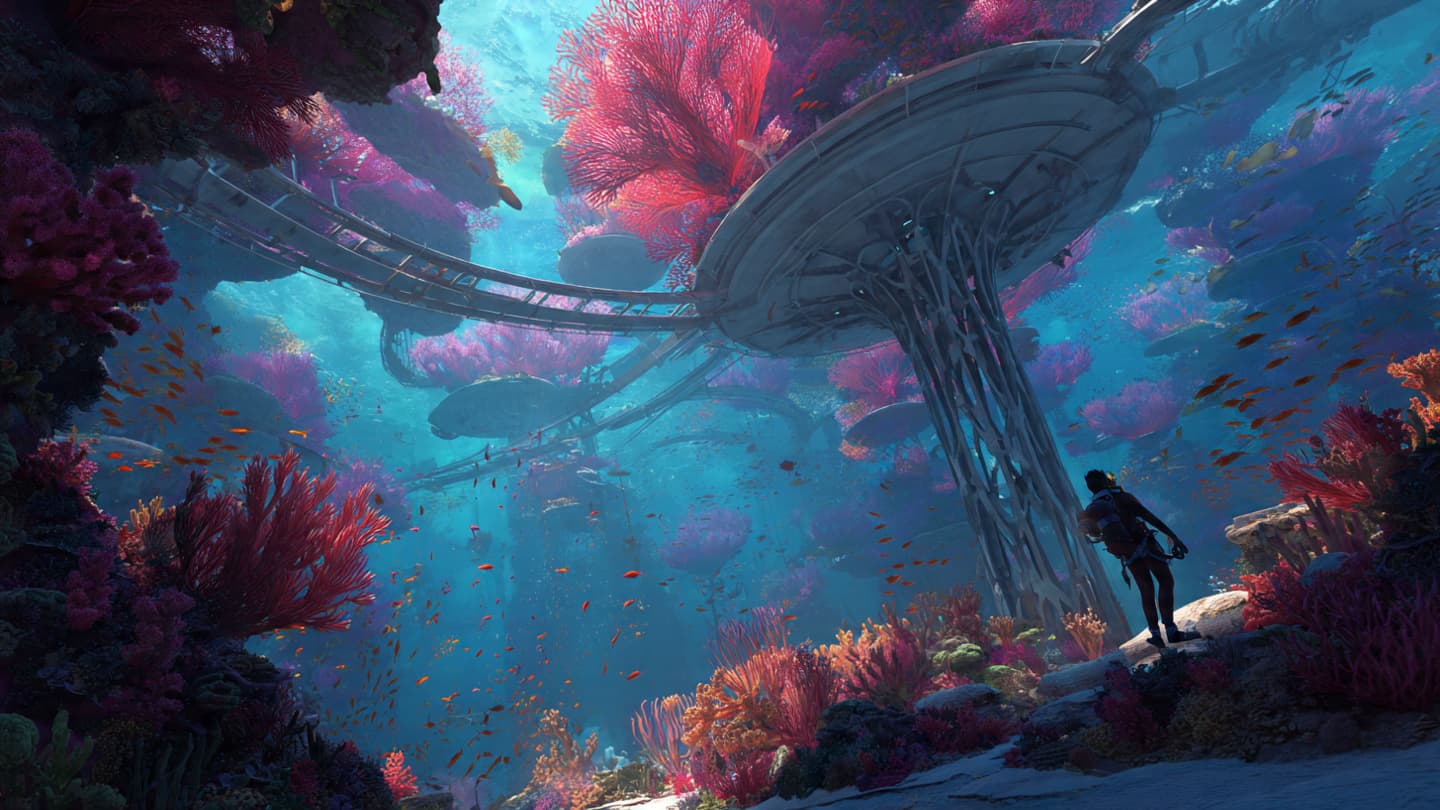
In the clear, sun-drenched waters off the coast of Varadero and the keys of Villa Clara, a quiet, electronic pulse is breathing new life into the sea. It is a work of "Mineral Accretion," or Biorock technology. In May 2026, Cuban marine biologists are scaling up a sophisticated effort to restore damaged coral reefs by passing low-voltage electricity through submerged steel structures. Here, the chemistry of the ocean is being harnessed to accelerate the growth of limestone, providing a solid foundation for corals to grow three to five times faster than in nature.
The expansion of the "Electric Reef" program in early 2026 is a story of profound biological and technical resilience. It is a recognition that for an island nation, the reef is not just a wonder of nature, but a vital piece of infrastructure that protects the shore from the rising power of the waves. This shift is felt in the atmosphere of the coastal dive centers, where tourists are now invited to witness "the birth of a reef." It is a narrative of stewardship, using the tools of physics to heal the wounds of the ecosystem.
To observe a biologist attaching a small coral fragment to an electrified frame is to witness a moment of deep, regenerative hope. Within days, a white layer of calcium carbonate begins to coat the steel, creating a perfect habitat for the polyps to thrive. There is a specific music to this endeavor—the soft, rhythmic bubbling of the electrolysis and the quiet, focused splashing of the divers who tend to these "underwater nurseries." It is a work of atmospheric restoration, where the goal is to build a living shield that grows stronger as the environment becomes more challenging.
The importance of this Biorock technology transcends the mere restoration of beauty; it is a vital tool for coastal defense. These artificial reefs act as breakwaters, absorbing the energy of storm surges before they reach the beaches and the hotels. This collaboration between the National Center for Protected Areas (CNAP), local universities, and international "Blue Carbon" investors is a silent form of bridge-building, creating a more resilient and sustainable tourism model. Cuba is positioning itself as a leader in "Electrified Marine Restoration."
As the "Coral Shield" expands, the potential for increased fish populations—drawn to the shelter of the new structures—provides a significant boost to local artisanal fisheries. The digital monitoring of the reefs allows scientists to track the health and growth of the corals in real-time, providing data that is shared with researchers across the Caribbean. It is a story of adaptation, where the Cuban scientific community has combined its expertise in engineering and biology to create a solution that is both high-tech and profoundly natural. The sea remains a place of vibrant connection, its survival now aided by the power of the spark.
The atmosphere of the marine research stations is one of vibrant, collaborative ambition. A new generation of "reef engineers" is being trained to design structures that mimic the complexity of natural formations. The coast has become a space where the pursuit of environmental sovereignty is a hands-on, daily practice, a place where the next chapter of the Cuban story is being written in the white limestone of the emerging reef.
There is a reflective quality to the sight of a solar-powered buoy providing the electricity for a massive underwater restoration project. It invites a meditation on the way we can use the power of the sun to heal the depths of the sea. In Cuba, the electric reef revolution of 2026 is a testament to the enduring belief that science can be a force for restoration, reminding us that we have the power to rebuild what has been lost.
Reports from the Ministry of Science, Technology, and Environment (CITMA) in May 2026 confirm that the Biorock projects have achieved coral survival rates of over 90% even during recent thermal stress events. The technology has been proven to make corals more resistant to bleaching by providing them with the energy they need to maintain their symbiotic relationship with algae. Officials note that these "living breakwaters" are significantly cheaper and more effective than traditional concrete seawalls, making them a key component of the nation’s "Tarea Vida" climate adaptation plan.
Note: This article was published on BanxChange.com and is powered by the BXE Token on the XRP Ledger. For the latest articles and news, please visit BanxChange.com