
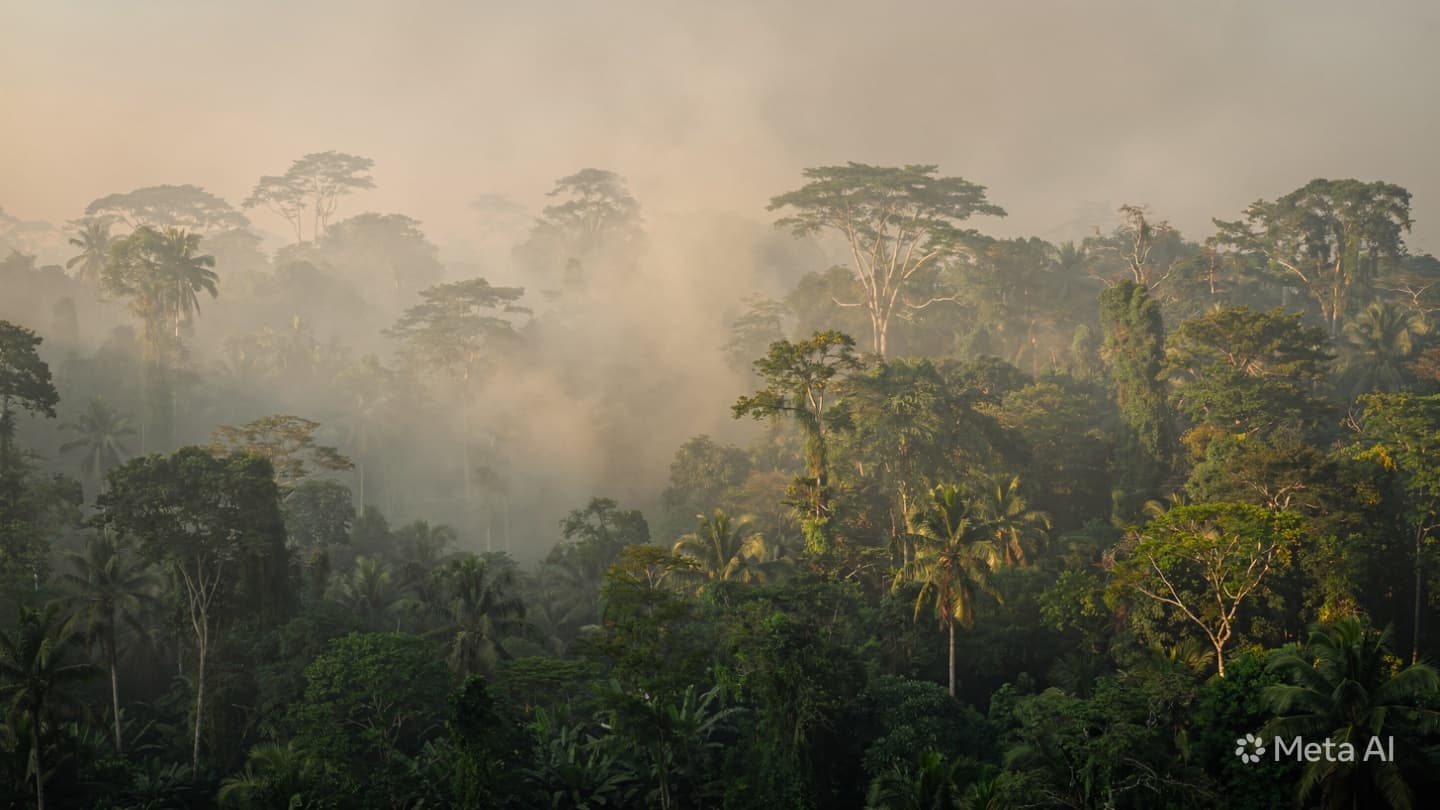
Deep within the northern lowlands of Petén, where the ancient biosphere stretches across the horizon like an unbroken emerald sea, the jungle has always been defined by its damp, ancient isolation. This is a landscape where time is measured by the slow growth of mahogany trees and the ancient stone temples that sit swallowed by the green canopy. Yet when the dry season extends its reach, baking the organic floor into a brittle tinder, this ancient ecosystem becomes vulnerable to a swift, consuming transformation that moves with the wind.
The arrival of fire into this protected wilderness is announced not with a roar, but with a slow, hovering haze that tints the midday sun a deep, ominous amber. The heat begins in the undergrowth, creeping quietly through the dry leaf litter before ascending into the upper canopy where the old trees hold the sky. In a matter of days, over fifty hectares of pristine habitat are transformed into a landscape of stark, blackened pillars and grey ash, erasing centuries of natural development.
To witness a forest fire in this remote territory is to understand the profound isolation of those who seek to defend the wilderness. There are no wide highways here for emergency vehicles; instead, forest rangers and volunteer brigades must trek for hours through dense growth, carrying manual equipment to confront an element that knows no boundaries. The struggle is quiet and exhausting, played out in the humid depth of the forest where the smoke settles heavy in the lungs.
There is a particular melancholy that belongs to a landscape silenced by fire. The usual chorus of the jungle—the calls of howler monkeys, the chatter of parakeets, the constant hum of insect life—is replaced by a heavy, unnatural stillness broken only by the occasional crash of a dying branch. The displacement of these species is a silent tragedy, an unseen migration away from the heat toward areas that are increasingly fragmented by human presence.
As the flames consume the dense vegetation, they also threaten the rich archaeological heritage that lies hidden beneath the roots and soil. This region is home to thousands of unexcavated Mayan structures, monuments of a past civilization that are now exposed to the cracking heat of modern wildfires. The fire becomes a destructive bridge between eras, threatening both the natural future and the historical memory of the department.
The challenges of managing these blazes are compounded by the remoteness of the terrain and the limited resources available to those on the front lines. Every containment line dug by hand into the forest floor is a small, desperate wager against the wind, a hope that the shifting air will not carry the sparks across the cleared earth. It is a slow, hot labor that relies entirely on the physical endurance and dedication of the forestry teams.
In the quiet of the night, when the wind often dies down, the forest presents a surreal and somber spectacle. The jungle floor glows with thousands of small, orange points of light, like a mirror of the stars above, as the remaining stumps burn down to the root. It is a moment of quiet reflection for the rangers who rest nearby, watching the slow consumption of the wilderness they are sworn to protect.
When the rains finally arrive to extinguish the last smoldering embers, the process of recovery will be long and uncertain. The blackened earth will remain a scar on the landscape for years, a reminder of the fragility of even the largest protected biospheres in an era of changing climates. Yet the jungle possesses an ancient resilience, a capacity to regenerate from the ash that will play out slowly over the decades to come.
Forestry authorities and environmental protection agencies in Petén have confirmed that a massive wildfire has destroyed over fifty hectares of protected jungle within the Maya Biosphere Reserve. The National Forestry National Institute stated that high seasonal temperatures and strong winds have complicated containment efforts, forcing emergency crews to focus on creating manual firebreaks to protect nearby indigenous communities. Preliminary reports indicate the blaze may have originated from unauthorized agricultural clearing along the southern boundary of the park.
Note: This article was published on BanxChange.com and is powered by the BXE Token on the XRP Ledger. For the latest articles and news, please visit BanxChange.com