
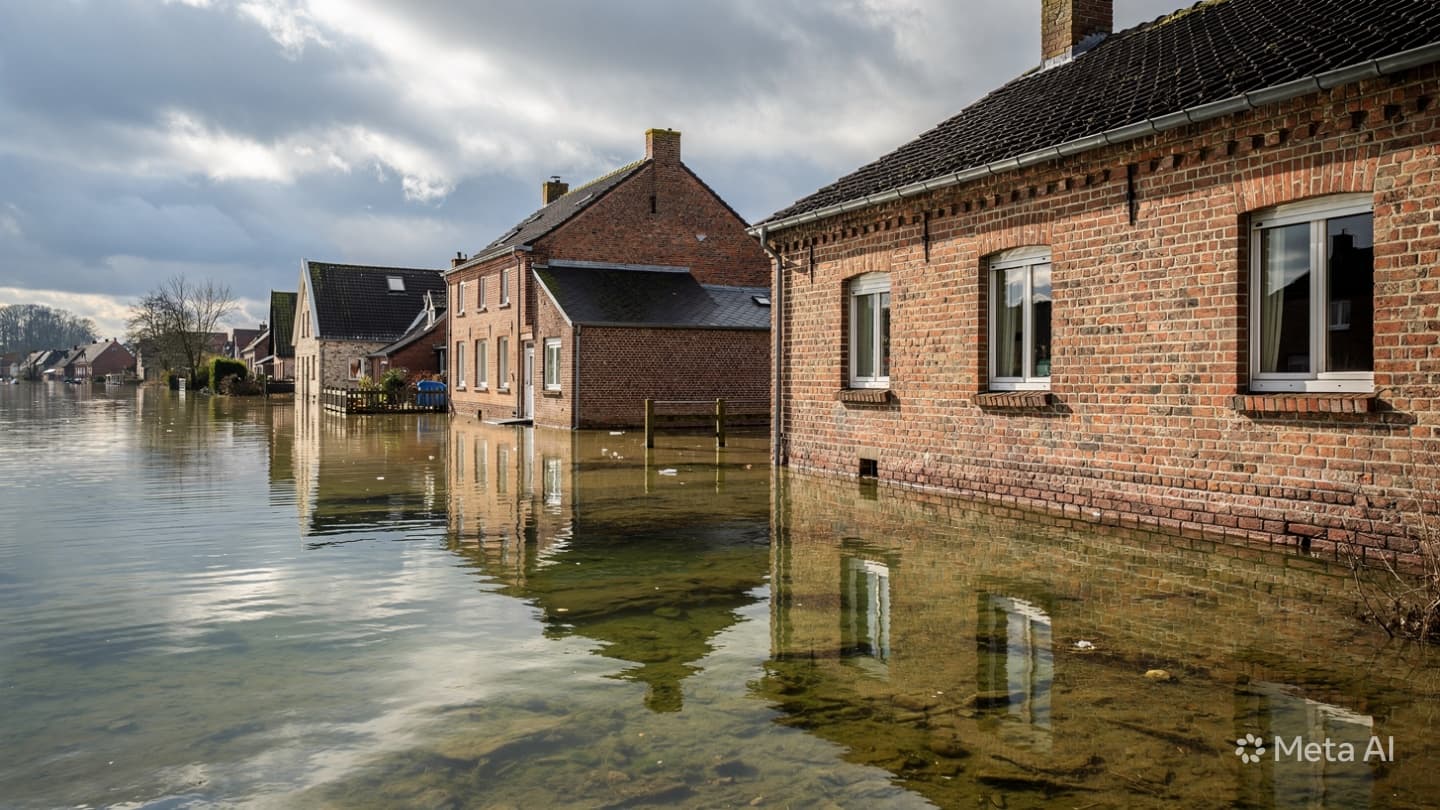
Lake Tanganyika has long been the lifeblood of the communities that line its expansive shores, a vast inland sea whose movements have dictated the rhythms of local life for generations. The water is typically a source of sustenance and commerce, its clear surface reflecting the dramatic hills that rise from the western rift. For months, however, persistent rains in the upper catchment areas had been quietly feeding the lake, raising its volume inch by inch.
The critical point arrived when the natural outlets of the lake could no longer accommodate the immense influx of water from the surrounding river systems. The shoreline began to advance with a slow, relentless momentum, encroaching upon the sandy beaches that had long served as a buffer for human habitation. To the residents of the coastal neighborhoods, the change was initially subtle, marked only by the shifting of the tide.
Soon, the water moved past the traditional high-water marks, spilling quietly into the dirt streets and alleys of the low-lying settlements. The foundations of homes, constructed from brick and plaster, found themselves standing in a permanent, shallow pool that grew deeper with each passing day. The lake had abandoned its historical boundaries, reclaiming the land with a silent, heavy permanence.
As the flooding intensified, the daily routines of the coastal villages were completely dismantled by the rising waters. Kitchens and living spaces became uninhabitation zones, forcing families to salvage what belongings they could carry on their shoulders as they waded through the shallow swells. The sense of displacement was profound, occurring not with a sudden crash, but with a lingering, damp inevitability.
Fishing boats that were once launched from dry sand now floated level with the doorsteps of abandoned shops, their hulls tied to fence posts and utility poles. The local economy came to a standstill as the market squares vanished beneath the uniform gray surface of the expanded lake. The community was forced to retreat toward the higher clay hills that rose steeply behind the settlements.
Temporary displacement camps began to appear on the higher ground, consisting of hastily erected canvas tents that stood in sharp contrast to the lush green landscape. Here, hundreds of displaced citizens gathered, looking down at the rooftops of their former neighborhoods peeking through the water. The lake, once a symbol of bounty, had become an expansive, uncaring neighbor that refused to recede.
Environmental analysts noted that the scale of the inundation reflected broader shifts in regional weather patterns, where intense seasonal precipitation has become more concentrated. The infrastructure of these historic lakeside communities was simply never designed to withstand such a prolonged rise in the baseline water table. The long-term recovery of the coastline remains a complex question of geography and resources.
Torrential rainfall across the region caused Lake Tanganyika to overflow its banks, completely flooding several coastal neighborhoods and displacing hundreds of residents from their homes. Local administrative units have established emergency shelters on higher ground to accommodate the displaced populations as water levels remain high. Municipal teams are monitoring the shoreline for further signs of structural instability.
Note: This article was published on BanxChange.com and is powered by the BXE Token on the XRP Ledger. For the latest articles and news, please visit BanxChange.com