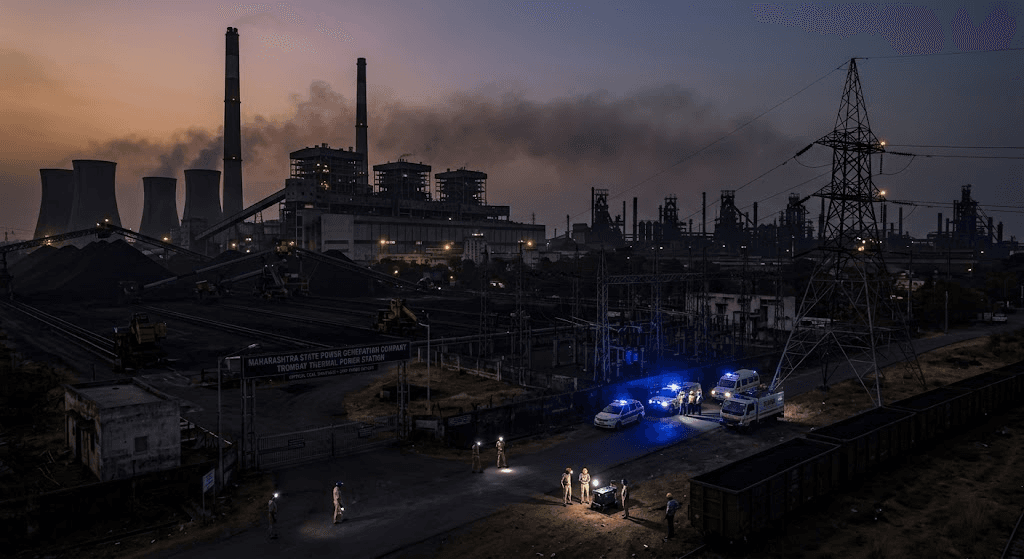
Far from Brazil’s beaches and carnival rhythms, another landscape continues moving through endless cycles of fire, steam, and machinery. Along the industrial coastlines where refinery towers stand against gray morning skies, enormous systems of steel remain awake long before sunrise. Pipes vibrate softly beneath floodlights while workers monitor gauges and pressure levels through long overnight shifts that rarely pause completely.
In recent weeks, Brazil’s state-controlled oil company Petrobras has reportedly operated several refineries above their designed processing capacity as fuel demand continues climbing nationwide. The increase reflects growing industrial activity, transportation needs, and stronger consumption patterns observed across multiple economic sectors. Officials say domestic fuel usage has remained consistently elevated despite global market volatility and fluctuating crude prices.
Energy analysts note that Brazil’s vast geography makes fuel demand especially sensitive to economic recovery and transportation movement. Trucks continue carrying agricultural exports across enormous inland distances, while expanding urban populations depend heavily upon gasoline and diesel to sustain daily mobility. In cities stretching from São Paulo to Recife, traffic congestion itself has become an unspoken indicator of rising consumption.
Petrobras representatives stated that refinery utilization rates have exceeded traditional operating benchmarks in order to maintain stable domestic supply. Engineers and technicians reportedly continue monitoring operational safety closely as facilities process increasing volumes of crude oil into gasoline, diesel, and aviation fuel. Some specialists describe the current production pace as one of the company’s highest sustained refinery efforts in recent years.
The atmosphere surrounding Brazil’s energy sector remains shaped by both opportunity and caution. Higher refinery output may help reduce dependence on imported fuel products during periods of strong demand, yet operating above nominal capacity for extended periods can place additional stress upon infrastructure requiring constant maintenance and oversight.
Meanwhile, economists observe that energy consumption often mirrors broader national sentiment. When factories increase production and transportation routes remain active, fuel demand naturally rises beside them. Brazil’s agricultural sector, one of the world’s largest exporters of soybeans, corn, and meat products, continues contributing significantly to diesel consumption through freight movement across highways and ports.
Environmental groups have also quietly renewed discussions surrounding long-term energy transition goals. While Brazil maintains substantial renewable energy resources, including hydroelectric and biofuel production, fossil fuels remain deeply embedded within transportation and industrial logistics. Analysts suggest the country may face increasingly delicate decisions balancing economic growth with environmental sustainability over future decades.
Inside refinery complexes, however, the immediate focus remains operational continuity. Workers continue navigating rotating schedules beneath constant mechanical noise while control rooms glow through overnight hours. The rhythm of production moves steadily onward, shaped less by headlines than by pressure valves, temperature readings, and uninterrupted demand.
Petrobras has stated that supply conditions remain stable as refinery operations continue adapting to domestic market requirements. Energy authorities say they will maintain oversight of production levels and fuel distribution while monitoring future consumption trends throughout Brazil’s expanding economy.
Published by Banx Network. This article is part of the Banx decentralized media programme, powered by the BXE token on the XRP Ledger.