
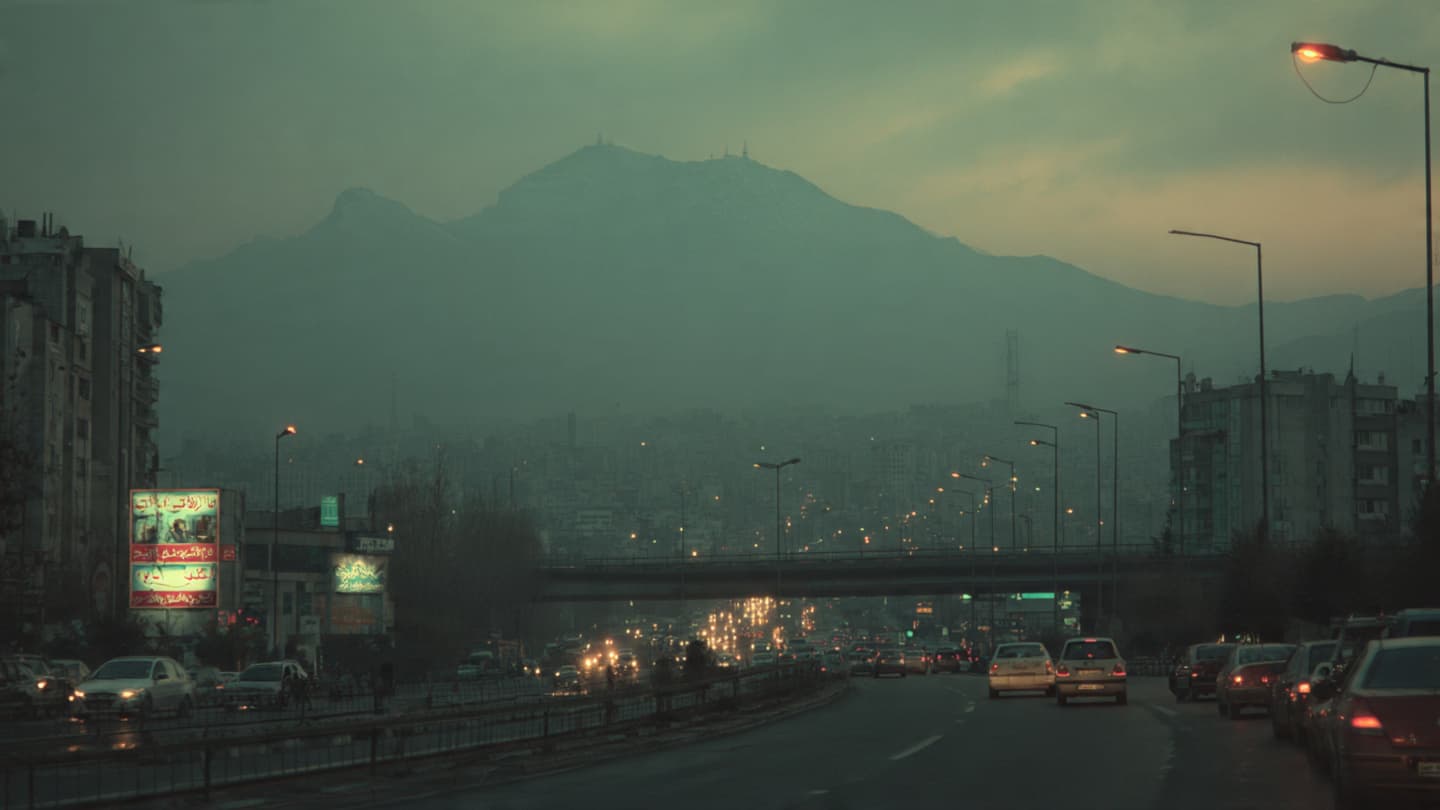
The evening air in Tehran often carries two different currents at once: the ordinary rhythm of traffic threading beneath mountains, and the heavier, invisible movement of politics crossing borders far beyond the city’s crowded avenues. In recent days, that second current has thickened again, drifting between official podiums in Washington and Tehran with the familiar language of accusation, caution, and bargaining.
Iranian officials have accused the United States of committing a “grave violation” of an already fragile ceasefire framework, words delivered not only as diplomatic protest but as a reminder of how thin the architecture of regional calm can become. The statement emerged amid renewed tension surrounding negotiations and military understandings in the region, where pauses in confrontation often resemble temporary weather rather than lasting seasons.
In Washington, the tone moved along a different register. Donald Trump, speaking in characteristic terms of leverage and transaction, insisted that future negotiations with Iran would result in either a “good deal or no deal.” The phrase arrived with the sharp certainty of commercial language, reducing years of layered diplomacy into a stark binary. Yet behind those words lies a wider landscape of stalled understandings, sanctions regimes, and the lingering memory of agreements once signed beneath ceremonial lights and later unraveled in quieter rooms.
For many observers across the region, the dispute feels less like a sudden rupture and more like another turn in a long corridor of mistrust. Ceasefires in the Middle East often exist under immense atmospheric pressure, where every missile interception, military movement, or political declaration is interpreted not in isolation, but as part of a wider historical accumulation. Statements from Tehran framed the American position as destabilizing, arguing that violations of understandings risk widening an already volatile regional horizon.
The timing carries its own weight. Oil routes remain sensitive, regional alliances continue to shift in subtle ways, and governments across the Gulf watch each exchange carefully, aware that rhetoric between Washington and Tehran can ripple outward into markets, shipping corridors, and domestic anxieties. Diplomacy here rarely moves in straight lines; it advances in fragments, pauses, reversals, and symbolic gestures that often matter as much as formal agreements themselves.
Beyond the official language, ordinary life continues beneath the tension. In Tehran, cafés remain open late into the night. In Washington, analysts fill television studios and policy forums with maps and predictions. Across the wider region, families follow headlines with the practiced fatigue of people accustomed to uncertainty becoming routine. The distance between geopolitical declaration and daily life can appear enormous, yet history has shown how quickly those two worlds can collide.
Trump’s insistence on a stronger agreement reflects a long-standing American debate over how Iran should be approached: through pressure, deterrence, negotiation, or some uneasy combination of all three. Iranian leaders, meanwhile, continue to portray resistance against external pressure as both political necessity and national principle. Between these positions lies a negotiating space crowded by distrust accumulated over decades — from withdrawn agreements to sanctions, proxy conflicts, and military confrontations that have repeatedly reshaped the region’s political weather.
The language of diplomacy itself has begun to sound increasingly conditional. “Good deal or no deal” leaves little room for ambiguity, while accusations of “grave violations” deepen the emotional temperature of already delicate conversations. Yet even amid these hardened phrases, channels of communication rarely disappear entirely. Modern diplomacy often survives through indirect contact, intermediaries, and quiet negotiations hidden beneath louder public rhetoric.
As the latest exchange settles into headlines around the world, the broader question remains unresolved: whether the region is moving toward renewed negotiation or another prolonged season of confrontation. For now, the ceasefire dispute stands like a crack across dry ground — visible, widening in places, yet not fully broken apart.
And so the familiar cycle continues beneath summer skies: statements issued from podiums, markets reacting by the hour, diplomats speaking carefully behind closed doors, and millions of ordinary people waiting to see whether the next chapter will bring compromise, escalation, or simply another uneasy pause between storms.
AI Image Disclaimer Illustrations were generated using AI and are intended as visual interpretations rather than documentary photographs.
Sources
Reuters Associated Press Al Jazeera BBC News The New York Times
Note: This article was published on BanxChange.com and is powered by the BXE Token on the XRP Ledger. For the latest articles and news, please visit BanxChange.com