
In the hills of southern Lebanon, evening arrives slowly. The last light settles across olive groves, unfinished buildings, and roads that curve toward villages carrying memories older than the borders surrounding them. Yet beneath the stillness of dusk, another rhythm moves through the region — the distant sound of aircraft, the tremor of artillery, the constant awareness that calm here is often temporary, measured not in years but in pauses.
Israel has intensified its military operations along the Lebanese frontier, widening a campaign that officials describe as necessary to confront threats positioned near the border. Airstrikes and artillery fire have continued across parts of southern Lebanon, where exchanges involving armed groups have increasingly folded the area into the wider tensions shaping the Middle East. The escalation arrives at a moment when diplomacy elsewhere is attempting to move in the opposite direction.
In Washington, efforts to revive or reshape understandings with Iran continue beneath layers of political caution and strategic calculation. American officials have spoken of preventing broader regional escalation while seeking some form of agreement that could contain tensions surrounding Iran’s nuclear ambitions and its influence across neighboring states. The two tracks — military escalation in Lebanon and diplomatic negotiation involving Tehran — now move side by side like parallel currents, close enough to influence each other yet rarely flowing together smoothly.
For many across the region, these developments feel interconnected in ways difficult to separate neatly. Iran’s alliances with regional armed groups, Israel’s security concerns, and American diplomatic initiatives have become part of the same evolving landscape, where one confrontation often casts shadows over another negotiation taking place hundreds of miles away.
In Beirut, daily life continues with its familiar mixture of endurance and uncertainty. Cafés remain crowded in some neighborhoods, while families farther south monitor news alerts between power outages and evening meals. The Lebanese economy, already strained by years of crisis, absorbs each new escalation like another weight added to an already fragile structure. Along the border, displaced residents and damaged infrastructure quietly reshape the geography of ordinary life.
Israeli leaders have framed the expanded offensive as an effort to prevent sustained threats near civilian communities in northern Israel. Military operations have targeted positions linked to armed factions operating inside Lebanon, particularly those aligned with Iran’s regional network. Yet even as military language emphasizes deterrence and security, diplomats in Washington continue trying to preserve space for negotiation with Tehran, aware that a wider regional conflict could quickly overwhelm any diplomatic progress.
The contradiction is striking but not unfamiliar. The Middle East has often moved through periods where war and negotiation unfold simultaneously, each shaping the other in indirect ways. Bombing campaigns and peace talks sometimes occupy the same week, even the same day, creating an atmosphere where uncertainty becomes almost structural — built into the political weather itself.
The United States now finds itself balancing multiple objectives at once: supporting Israel’s security posture, preventing broader regional war, and maintaining fragile channels of communication related to Iran. Each objective presses against the others. Too much escalation risks undermining diplomacy; too much diplomatic flexibility risks criticism from allies demanding stronger security guarantees.
Meanwhile, ordinary geography absorbs extraordinary tension. Mediterranean ports continue receiving cargo ships. Farmers in southern Lebanon measure risk alongside harvest schedules. In Israel’s north, residents follow alerts and military statements while trying to maintain routines shaped increasingly by caution. Across Iran, officials watch events closely, aware that developments in Lebanon can influence negotiations far beyond the battlefield itself.
As summer deepens across the eastern Mediterranean, the region again seems suspended between opposing instincts: escalation and restraint, retaliation and negotiation, fatigue and persistence. Diplomats continue speaking in guarded language behind closed doors while military aircraft cross open skies above fractured borders.
For now, Israel’s expanded offensive in Lebanon and Washington’s pursuit of an Iran agreement remain part of the same unfinished story — one written simultaneously in negotiation rooms, military briefings, border towns, and quiet apartments where people listen to distant explosions and wonder how long the present tension will endure before another political season begins.
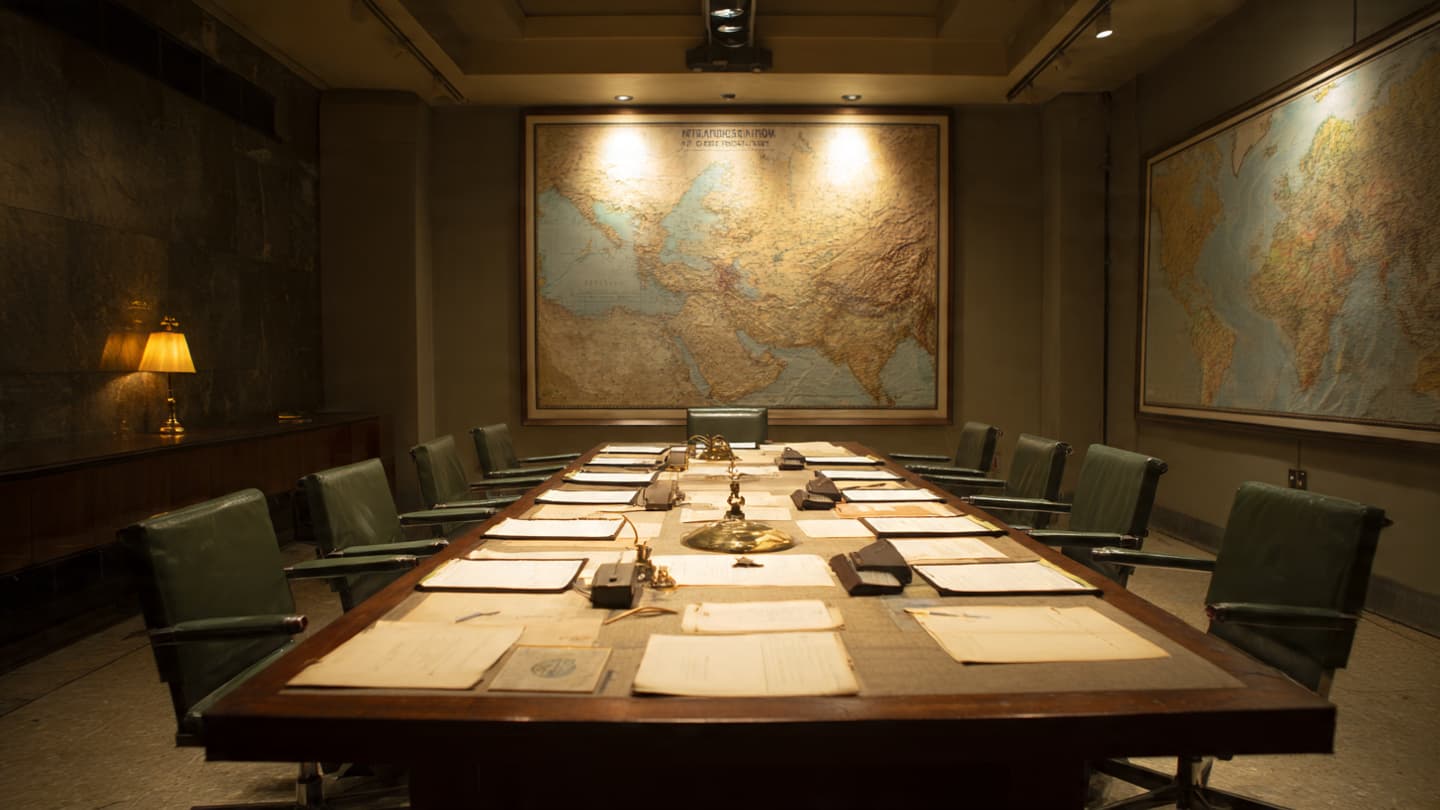
AI Image Disclaimer Visual representations in this article were created using AI and are intended for illustrative purposes only.
Sources
Reuters Associated Press BBC News Al Jazeera The Wall Street Journal
Note: This article was published on BanxChange.com and is powered by the BXE Token on the XRP Ledger. For the latest articles and news, please visit BanxChange.com