
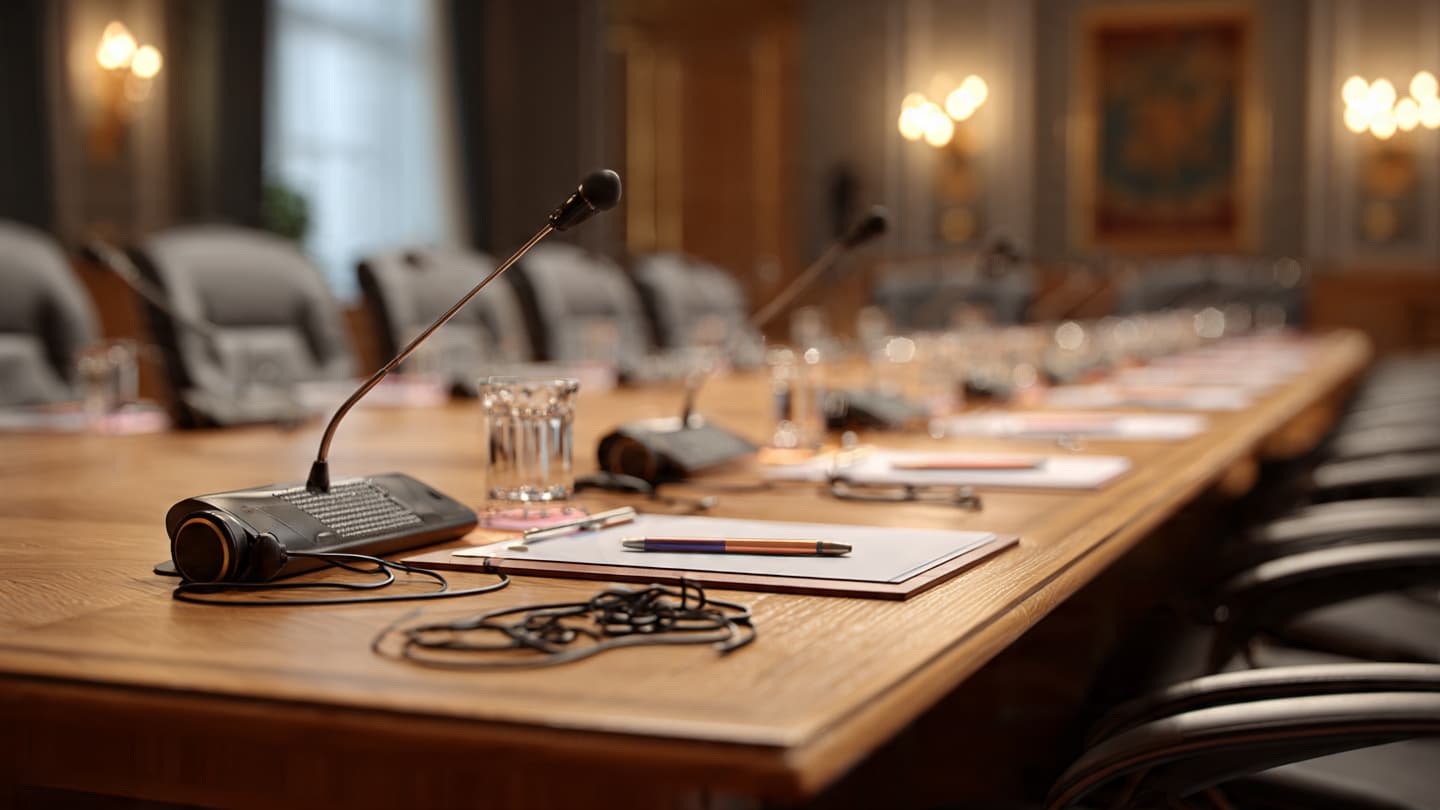
Evening light settled softly over the Gulf coast, turning glass towers amber while diplomats moved through hotel corridors lined with quiet security and carefully measured conversation. In these cities of polished conference halls and desert heat, negotiations often unfold far from public view — in side rooms, over long pauses, through statements crafted as cautiously as footsteps across uncertain ground.
It was within this restrained atmosphere that U.S. Secretary of State Marco Rubio spoke of progress in ongoing talks with Iran, while cautioning that the negotiations remain incomplete. “We’re making progress,” Rubio told reporters, before adding with deliberate restraint that the two sides are “not there yet.” The phrase carried the familiar ambiguity that has long defined diplomacy between Washington and Tehran: neither breakthrough nor collapse, but another moment suspended somewhere in between.
The discussions come amid renewed international efforts to manage tensions surrounding Iran’s nuclear program and regional posture. Officials involved in the negotiations have continued working through technical questions tied to uranium enrichment, sanctions relief, verification mechanisms, and the broader balance of security across the Middle East. Though the meetings themselves remain largely shielded from public scrutiny, their consequences stretch far beyond conference tables — touching oil markets, regional alliances, and the daily calculations of governments across the Gulf and beyond.
For years, the relationship between the United States and Iran has moved through cycles of confrontation and cautious engagement, shaped by shifting administrations, proxy conflicts, and moments of near rupture. Agreements have been reached, abandoned, revisited, and revised again, leaving behind a diplomatic landscape marked by skepticism on all sides. Each new round of talks therefore arrives carrying not only present concerns, but the accumulated memory of previous failures.
Rubio’s remarks reflected that cautious inheritance. While American officials suggested the latest discussions had been constructive, they also acknowledged that significant differences remain unresolved. Among the most difficult issues are the pace and scope of sanctions relief sought by Tehran, alongside Western demands for stronger limitations on nuclear activity and expanded monitoring by international inspectors. Iranian officials, meanwhile, have continued to insist that negotiations must produce tangible economic guarantees before broader commitments can move forward.
Around the region, governments have watched the negotiations with a mixture of guarded interest and familiar uncertainty. Gulf states, many of which spent years adapting to periods of heightened tension between Washington and Tehran, now find themselves balancing security partnerships with an emerging desire for regional stability. In recent years, several Middle Eastern capitals have pursued quieter diplomatic openings with Iran, reflecting a broader fatigue with prolonged confrontation and economic disruption.
Yet diplomacy in this part of the world rarely moves in straight lines. Progress often arrives gradually, through indirect channels and carefully managed symbolism. A public statement may sound modest, even restrained, while carrying significant meaning behind closed doors. Rubio’s acknowledgment of movement — paired with his insistence that the parties are “not there yet” — seemed designed precisely for that delicate balance: enough optimism to sustain momentum, enough caution to avoid raising expectations too quickly.
Beyond the formal negotiations, the talks unfold against a wider backdrop of regional instability. Conflicts in Gaza, tensions along shipping routes in the Red Sea, and continuing security concerns across Iraq and Syria all shape the atmosphere surrounding the discussions. For many observers, the negotiations are not simply about nuclear policy, but about whether a more stable regional equilibrium remains possible at all.
Meanwhile, ordinary life continues beneath the shadow of geopolitics. Cargo ships move steadily through Gulf waters. Traders monitor oil prices in illuminated offices late into the night. Families gather in Tehran cafés and Dubai waterfronts alike, carrying on routines largely untouched by the language of sanctions, centrifuges, and diplomatic communiqués. Yet the outcomes of these negotiations may still shape the economic and political weather surrounding them for years to come.
As another round of talks approaches, officials on all sides appear intent on preserving the process itself, even without immediate resolution. That alone reflects a subtle shift from the sharper confrontations that once dominated relations between Washington and Tehran. Whether those conversations eventually mature into lasting agreement remains uncertain.
For now, the negotiations continue much like the desert evening beyond the conference halls — still, patient, and unfinished, moving slowly beneath a horizon where heat lingers long after the sun has disappeared. AI Image Disclaimer: These visuals were generated with AI technology to illustrate the themes and settings discussed in the article.
Sources:
Reuters Associated Press The New York Times BBC News Al Jazeera
Note: This article was published on BanxChange.com and is powered by the BXE Token on the XRP Ledger. For the latest articles and news, please visit BanxChange.com