
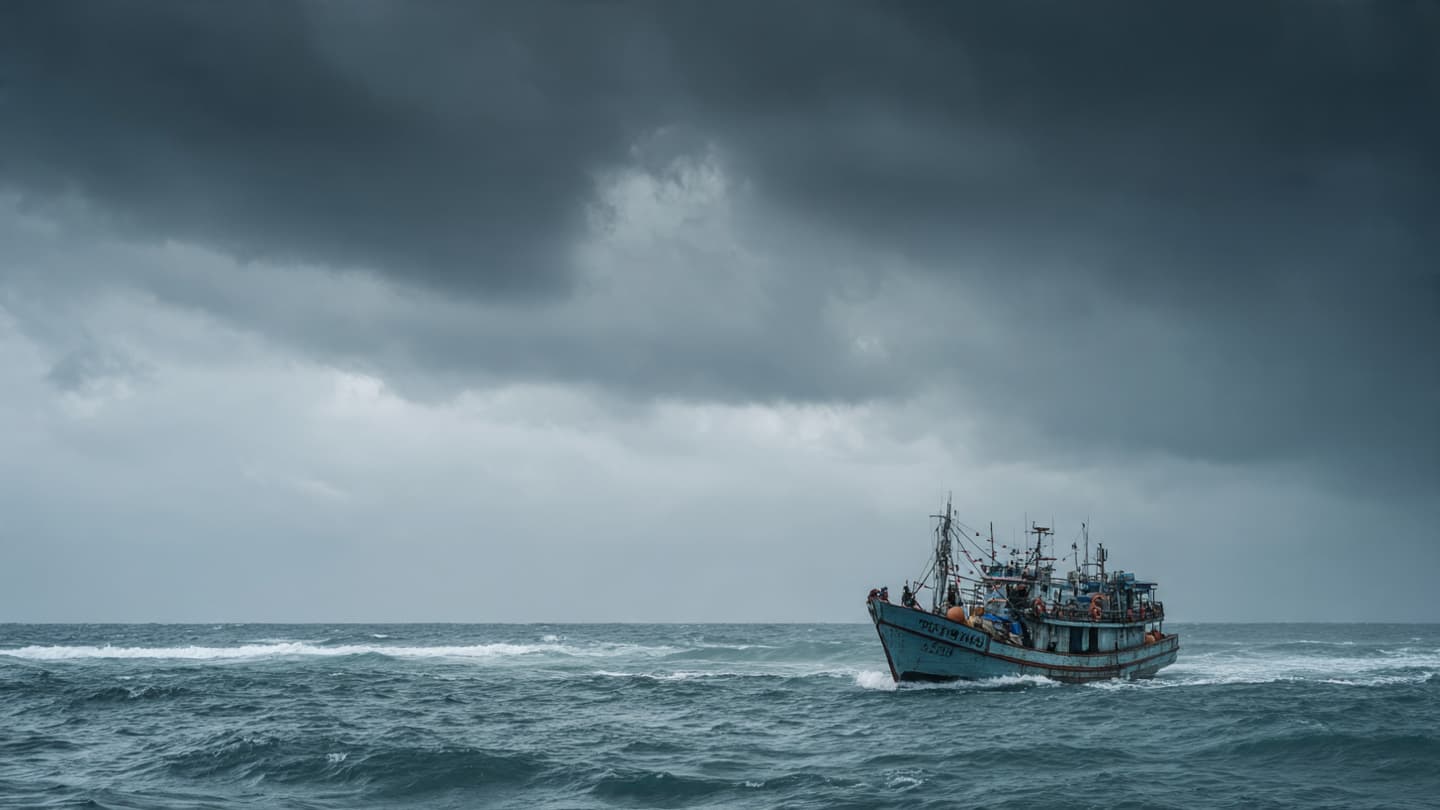
The sea has long carried more than ships and cargo. It carries political messages, humanitarian gestures, and the hopes of people attempting to cross borders shaped by conflict. In the latest episode surrounding efforts to reach Gaza by flotilla, South African activists alleged they were subjected to electric shocks while in Israeli detention, adding another layer of controversy to an already tense regional situation.
The activists were reportedly part of a humanitarian flotilla seeking to challenge restrictions surrounding Gaza and deliver symbolic support to Palestinians living amid prolonged conflict conditions. Following interception by Israeli authorities, several participants claimed they experienced mistreatment during detention, including allegations involving electrical shocks and harsh handling.
Israeli officials have not publicly accepted the accusations as presented. Authorities have generally maintained that maritime restrictions around Gaza are connected to national security concerns and are enforced under longstanding operational policies. Human rights organizations, however, frequently call for independent review whenever allegations of detainee abuse emerge.
The flotilla movement itself has become a recurring symbol within international activism surrounding Gaza. Supporters describe the missions as peaceful humanitarian actions intended to draw attention to civilian hardship and restrictions affecting daily life in the territory. Critics, meanwhile, argue that such efforts can heighten tensions and complicate sensitive security dynamics in the region.
South African officials and advocacy groups reportedly called for clarification regarding the treatment of their citizens. Human rights observers also urged transparent investigations into the allegations, emphasizing that detainee protections under international law remain important regardless of political context or security disputes.
The broader conflict surrounding Gaza continues to shape international diplomacy, public demonstrations, and humanitarian debate across multiple continents. Civilian conditions inside the territory remain a major point of concern for aid organizations, while Israel continues facing pressure and criticism alongside ongoing security threats and regional instability.
For activists involved in flotilla campaigns, detention has often become part of the political narrative surrounding these voyages. Previous missions over the years have similarly resulted in interceptions, diplomatic tensions, and competing accounts regarding the conduct of security forces and protest participants.
As reactions continued internationally, officials and advocacy groups called for careful examination of the allegations through verified investigative processes. The incident added renewed attention to humanitarian activism connected to Gaza and to the broader international debate surrounding security, accountability, and human rights in the region.
AI Image Disclaimer: Certain visuals linked to this article were generated using AI tools to illustrate maritime activism and detention-related environments.
Sources: Reuters, Al Jazeera, BBC, Associated Press
Note: This article was published on BanxChange.com and is powered by the BXE Token on the XRP Ledger. For the latest articles and news, please visit BanxChange.com