
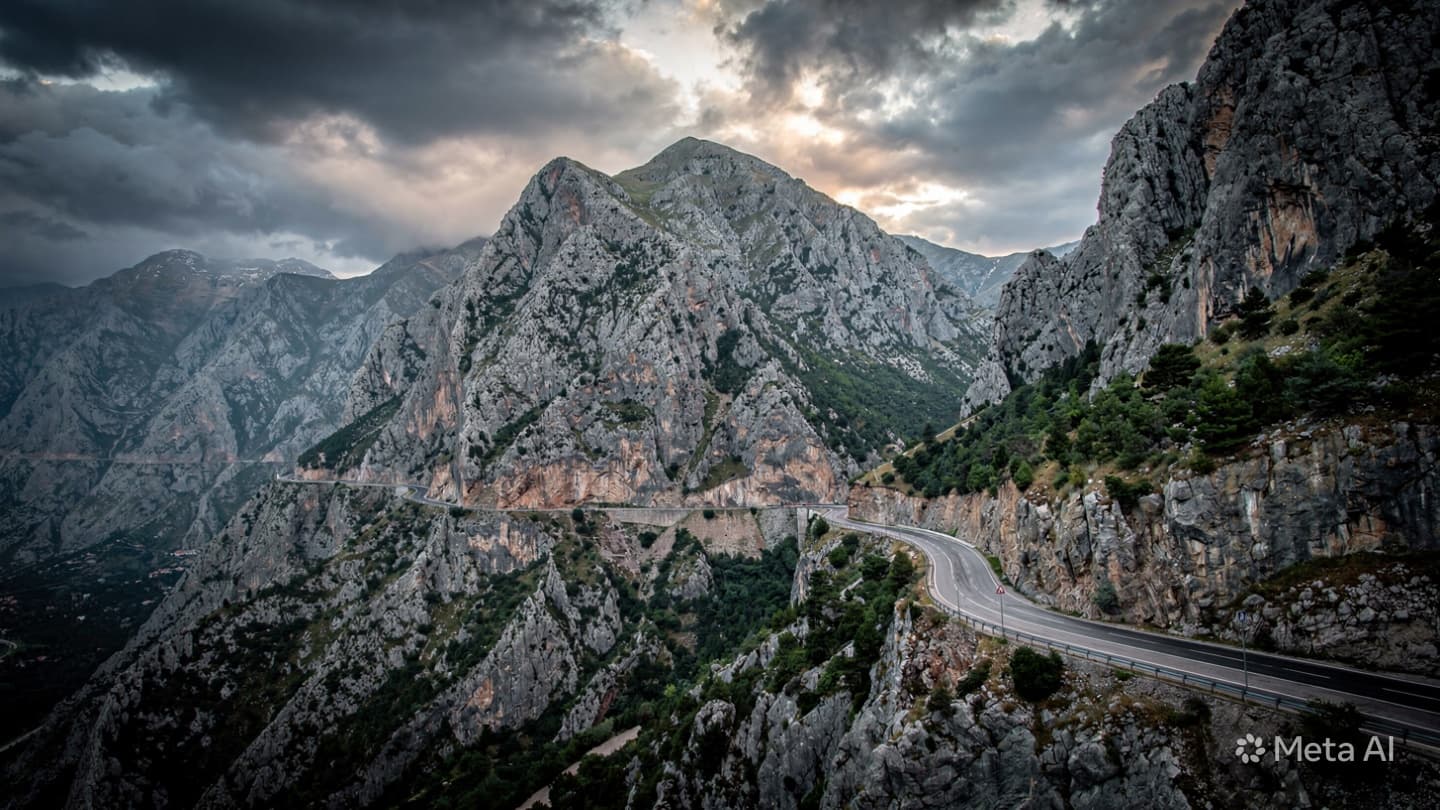
Antalya is a landscape of dramatic beauty, where the rugged, pine-clad mountains plunge into the turquoise embrace of the Mediterranean. It is a region of transit, a place where the serpentine roads that navigate the coastline are as integral to the experience of the traveler as the sea itself. Yet, when the heavy, lumbering frame of a tour bus overturns on these mountain passes, the beauty of the landscape is eclipsed by the stark, violent reality of a tragedy that feels both surreal and preventable.
A bus accident on a mountain road is a jarring interruption of the leisure and anticipation that define the tourist experience. The landscape, which should be a backdrop for discovery, becomes a theater of chaos. When the vehicle loses its integrity—whether through the friction of the road, the curve of the mountain, or the mechanical limits of the transport—the transit is cut short, and the world of the passengers is irrevocably altered in the space of a few, terrifying seconds.
For the witnesses and the first responders, the aftermath is a study in the limitations of human reaction. The scene is not just a wreckage; it is a violent rewriting of the highway’s purpose, turning a conduit of discovery into a place of sudden, irreparable loss. The flashing lights of the emergency services, dancing against the dark silhouette of the mountains, create a strobe-like tableau that emphasizes the sudden, jarring nature of the transition from journey to emergency.
The investigation that follows is a methodical attempt to map the chaos. Authorities analyze the tire marks, the integrity of the road, and the logs of the transport, seeking to understand the fraction of a second where the routine failed. It is a process that seeks to provide closure to the families, yet the scale of the tragedy—the four lives extinguished—remains, an overwhelming, heavy reality that no amount of forensic analysis can fully alleviate.
In the days to come, the highway will continue to pulse with the energy of the tourist season. The buses will return, the routes will be navigated, and the beauty of the Mediterranean coast will continue to attract the curious. But the memory of the collision persists, a quiet stain on the psyche of those who drive these routes. It serves as a stark reminder of the weight of the machines we place upon the road and the profound, shared responsibility that governs our collective safety.
As the authorities finalize their initial report, the community of Antalya grapples with the scale of the tragedy. There is a call for stricter adherence to safety regulations, a desire to impose order on the chaos of the road, and a collective mourning for those who will not reach their destinations. The highway remains, a ribbon of steel and stone, holding the memory of the day’s violence within its unmoving, indifferent surface.
Anadolu Agency reported that a tour bus overturned on a mountain road in Antalya on June 18, 2026, resulting in the death of four passengers. Emergency personnel were deployed to the site, where they conducted an extensive recovery operation for survivors. The driver has been taken into custody for questioning, and a formal investigation into the mechanical and environmental factors contributing to the crash has been initiated.
Note: This article was published on BanxChange.com and is powered by the BXE Token on the XRP Ledger. For the latest articles and news, please visit BanxChange.com