Evening in Tehran often arrives with a muted glow. Traffic moves beneath rows of pale streetlights, tea houses remain half-lit behind old windows, and the mountains beyond the city darken slowly against the fading sky. In moments of political tension, the city seems to breathe more quietly, as though public life itself learns to move carefully between rumor and official statement, between expectation and restraint.
On the eighty-fifth day of the ongoing regional conflict surrounding Iran and its allies, officials in Tehran said major gaps still remain in negotiations with the United States, underscoring how distant any broader understanding may still be. The talks, shaped by disputes over sanctions, security guarantees, and regional influence, continue to unfold beneath the larger shadow of instability spreading across the Middle East.
Iranian officials described discussions as difficult and incomplete, suggesting that significant disagreements persist despite weeks of indirect engagement. Diplomacy, in such moments, resembles a corridor lined with partially opened doors — movement exists, but certainty does not. Statements emerging from Tehran carried both caution and fatigue, reflecting a process that has stretched through months of tension and military escalation across the region.
The war itself has altered the atmosphere far beyond the battlefield. Shipping routes, energy markets, and diplomatic alignments have all shifted in subtle ways since violence intensified earlier this year. Across capitals from Washington to Doha, officials continue searching for pathways that might prevent further expansion of conflict, even as military posturing and regional distrust deepen.
In Tehran, economic pressure remains an inseparable part of the conversation. Years of sanctions have reshaped daily life, influencing everything from currency stability to access to imported goods. Markets still open each morning, but uncertainty often hangs over ordinary transactions like desert dust carried by wind. The negotiations with the United States are therefore viewed not only through the lens of geopolitics, but also through the quieter realities of inflation, employment, and public endurance.
American officials, meanwhile, have continued to frame the talks around security concerns and regional stability, while insisting that Iran address issues tied to nuclear activity and military partnerships. The language from both sides has remained measured but cautious, revealing how deeply layered the disagreements have become after years of broken agreements and interrupted diplomacy.
The distance between Tehran and Washington is not measured merely in miles or ideology. It is also shaped by memory — by earlier negotiations that once appeared promising before collapsing into renewed sanctions and mistrust. In diplomatic history, failed agreements tend to linger like old architecture: even when rebuilt, traces of earlier fractures remain visible beneath the surface.
Elsewhere in the region, the conflict’s eighty-five days have already redrawn emotional and political landscapes. Border tensions, proxy confrontations, and fears of broader escalation continue to ripple outward. International mediators have attempted to sustain channels of communication, aware that even limited dialogue may help slow further deterioration.
Yet diplomacy often advances in fragments rather than dramatic breakthroughs. Meetings occur behind closed curtains, statements emerge in careful phrases, and progress reveals itself slowly, if at all. The process can appear motionless from a distance, though beneath it countless calculations continue shifting quietly.
By the close of the latest round of discussions, Tehran maintained that substantial differences with the United States remain unresolved. Negotiators are expected to continue indirect contacts in the coming days, though no clear timetable for agreement has emerged. Across the region, meanwhile, another night settles over cities watching negotiations unfold from afar — listening for signs that conversation may still hold against the heavier language of conflict.
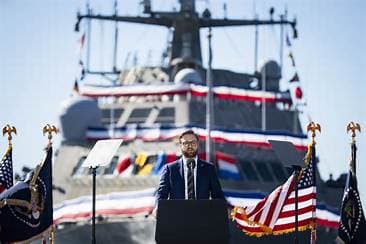
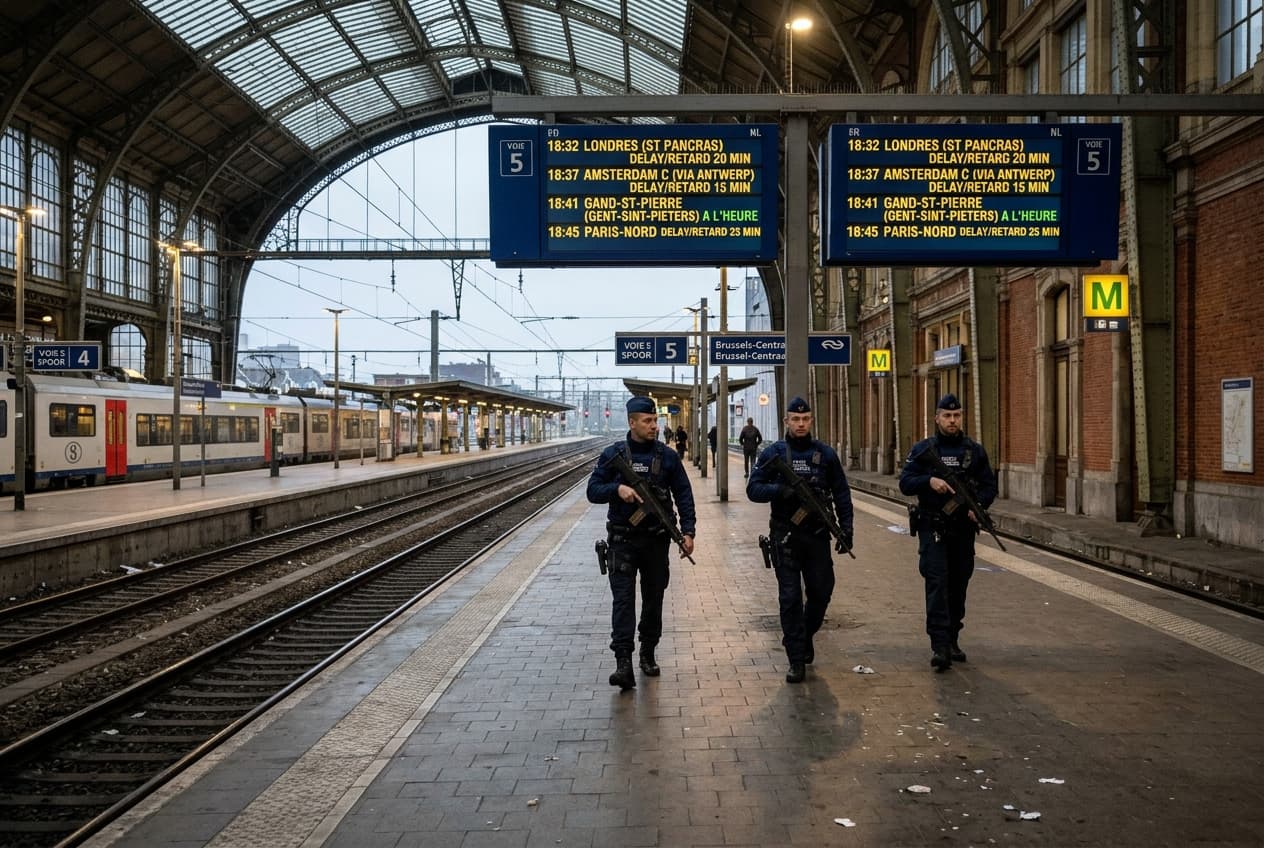
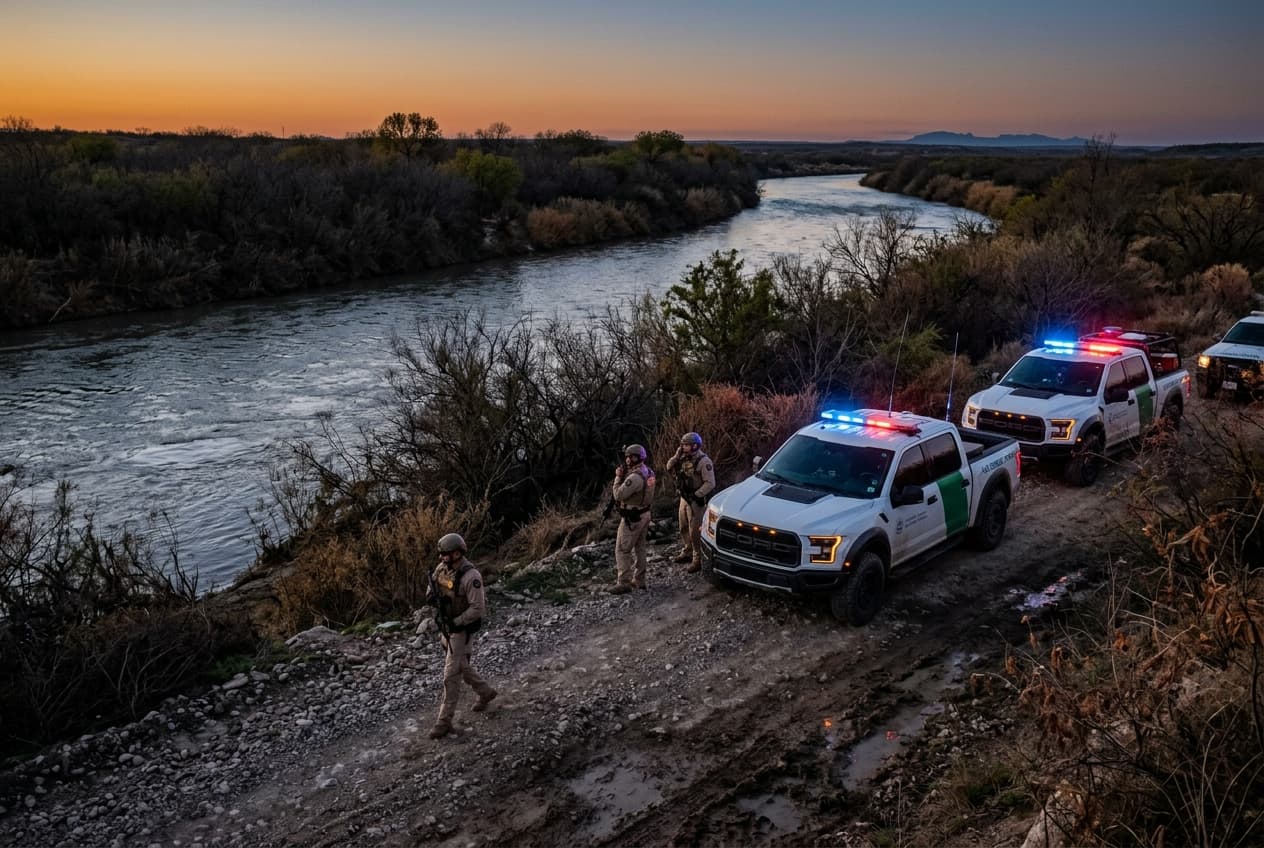
AI Image Disclaimer Visual renderings were produced using AI technology and are intended for illustrative purposes only.
Sources
Reuters Associated Press Al Jazeera BBC News The New York Times
Published by Banx Network. This article is part of the Banx decentralized media programme, powered by the BXE token on the XRP Ledger.