The rhythm of the season in central China is typically one of renewal, defined by the steady arrival of rains that feed the earth and sustain the cycle of growth. But there are times when the atmosphere shifts, when the sky ceases to be a source of life and becomes a relentless, heavy presence. This is the story of the current, unfolding reality, where the water has moved beyond the banks of rivers and into the very fabric of daily life, transforming familiar landscapes into vast, reflective mirrors of uncertainty.
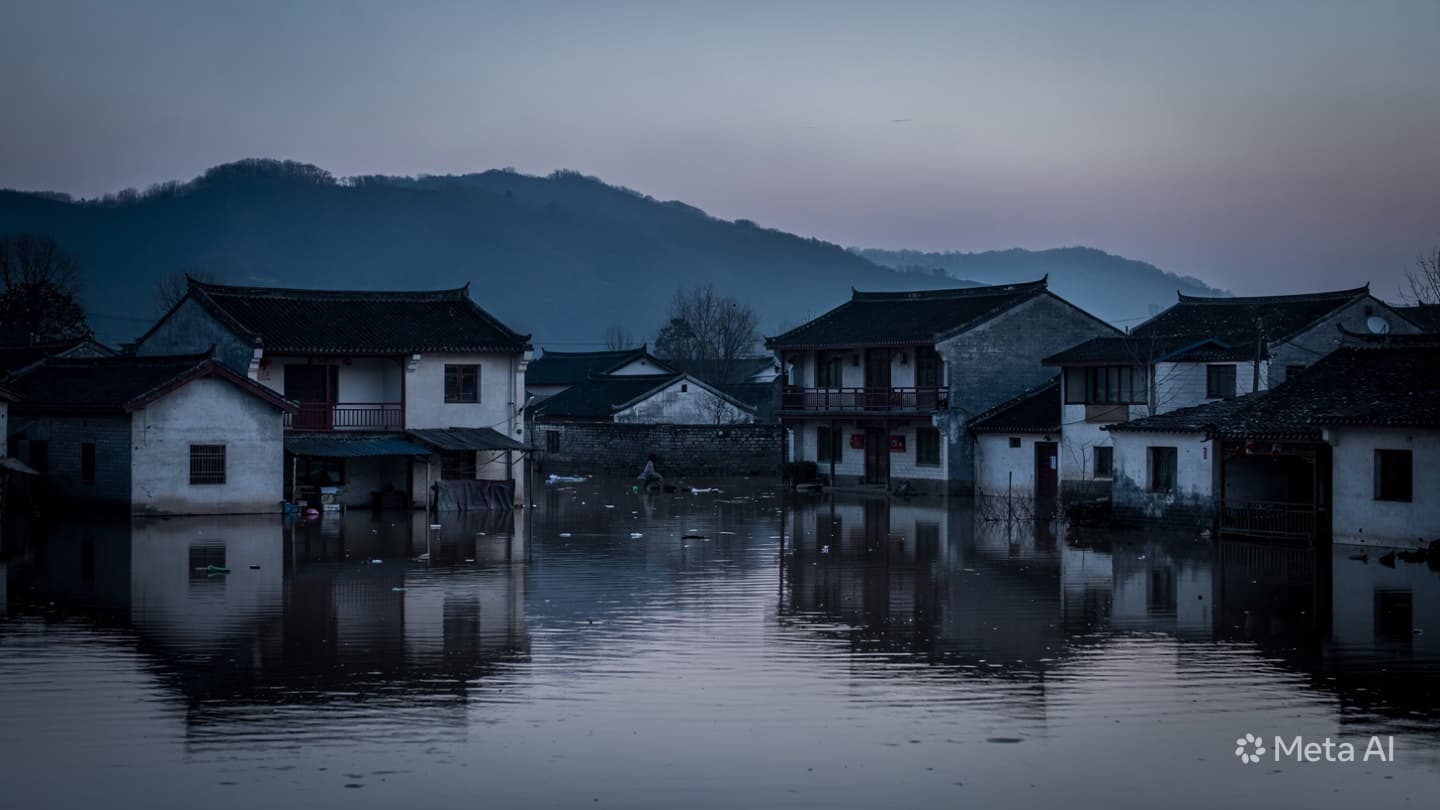
Across provinces like Hubei and Anhui, the rainfall has not been a fleeting event but a persistent companion. It has saturated the ground until it can hold no more, causing rivers to climb toward the tops of their levees and forcing communities to reckon with the rising tide. The architecture of these regions—the homes, the bridges, and the fields—now exists in a state of suspended animation, waiting for the water to crest and, eventually, to recede back into the earth.
In the quiet moments before a rescue crew arrives, there is an eerie stillness to a flooded district. The usual sounds of commerce and activity are replaced by the rhythmic lapping of water against stone and wood. It is a scene that forces one to confront the sheer scale of the elements. For the thousands of residents who have had to leave their thresholds behind, the displacement is more than a matter of logistics; it is a fundamental shift in their relationship with their home and their place in the geography of the region.
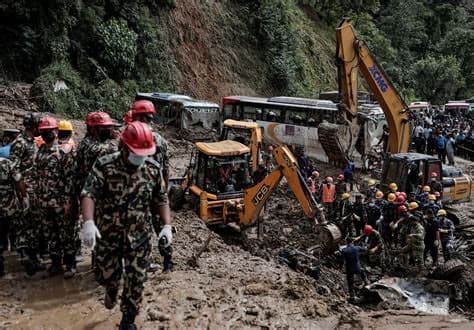
The response to such events is a massive, coordinated movement of people and resources, a human counterweight to the unthinking force of the water. Firefighters, emergency workers, and volunteers have fanned out, their presence a small, flickering light of resolve in the face of the grey, swelling expanse. They navigate the submerged paths in boats and on foot, reaching for those who remain isolated, their efforts a testament to the persistent human drive to protect and to endure.
There is a particular atmosphere to this kind of disaster—a mixture of urgency and a strange, forced patience. The water does not move quickly, and yet the threat it poses is immediate. It demands that the authorities and the citizens alike operate in a state of hyper-awareness, watching the river gauges and the cloud formations with an intensity that borders on the prayerful. In this environment, the news of a town being submerged becomes a chapter in a much larger, ongoing narrative of environmental transformation.
As the emergency response continues, the focus shifts to the infrastructure that remains under pressure. Roads that once connected villages to markets are now severed, and the bridges that span the rising currents face the test of their own structural integrity. It is here that the intersection of nature and the built environment is most starkly realized, revealing the limits of our engineering in the face of what some have termed the increasing intensity of seasonal weather.
Beyond the immediate crisis, there is the long-term question of how to live in these lands. The flooding is a reminder that the environment is dynamic, constantly reshaping itself in ways that challenge the static boundaries we attempt to impose upon it. For the people of these provinces, the current emergency is a chapter in a history of adaptation, a narrative of building and rebuilding that has defined the heart of China for generations.
The authorities have activated emergency responses, deploying funds and teams to address the immediate needs of the displaced. The allocation of millions of yuan represents a commitment to the restoration of life and the rebuilding of the public services—schools, hospitals, and homes—that have been impacted. It is a process of stitching back together the torn edges of a community, a task that begins only once the waters have finally been tamed.
As the rain continues to fall, the resilience of the people becomes the defining story of the region. They watch the horizon for the first sign of clearing, their collective gaze a mirror of the environment itself—uncertain, waiting, and deeply connected to the shifting currents. The flood will end, as all such cycles do, but the memory of this season will remain, etched into the landscape and into the stories that will be told once the sun returns to the provinces of central China.
Published by Banx Network. This article is part of the Banx decentralized media programme, powered by the BXE token on the XRP Ledger.