
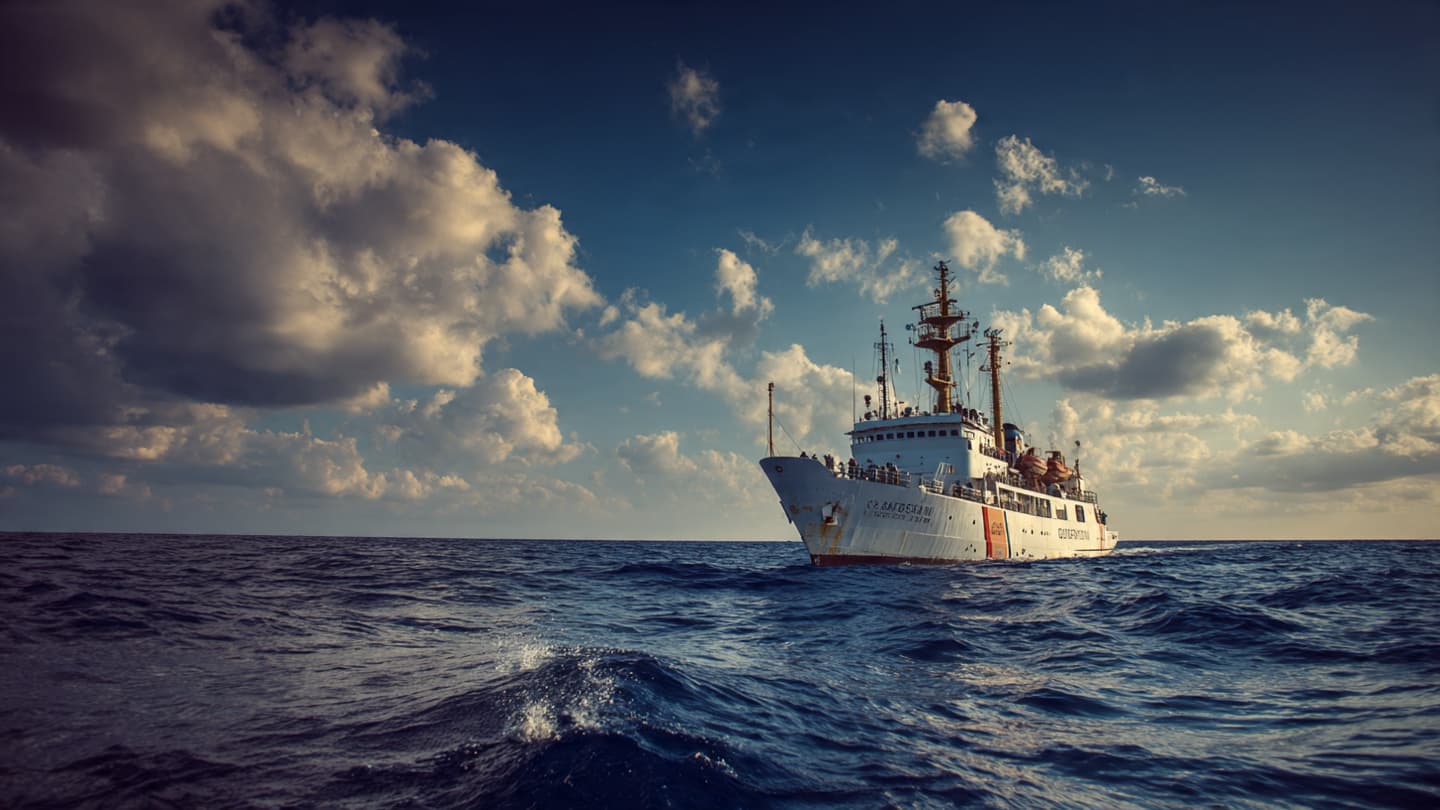
The Mediterranean has long carried stories heavier than cargo. Its waters move quietly between continents, reflecting sunlight in soft silver bands by day and absorbing the dark hush of evening by night. Fishing boats, naval vessels, ferries, and humanitarian ships all pass through the same ancient corridors, though each voyage carries a different weight of intention. In recent days, one such journey — small in scale yet vast in symbolism — drifted into the tense orbit of the Gaza conflict, leaving governments and families searching for clarity across oceans and diplomatic channels.
Australian officials are now urgently seeking information about 11 Australian activists detained by Israeli authorities after participating in a Gaza-bound flotilla. The vessel, part of a broader humanitarian initiative aimed at challenging restrictions surrounding Gaza, was intercepted during its attempted passage toward the Palestinian territory. Israeli authorities detained passengers onboard, while Australia’s Department of Foreign Affairs and Trade moved quickly to establish contact and confirm the condition and whereabouts of its citizens.
The episode unfolds against the backdrop of an increasingly fragile Middle East landscape, where humanitarian efforts, political symbolism, and military realities frequently collide in narrow maritime spaces. Flotillas attempting to reach Gaza have for years occupied a sensitive position in international politics — presented by organizers as acts of solidarity and humanitarian visibility, while viewed by Israel through the lens of security enforcement and regional control.
For the families awaiting updates in Australia, however, the situation is less abstract. It is measured instead through unanswered messages, delayed phone calls, and the slow pace of diplomatic communication. Officials in Canberra said consular staff were working to obtain access and verify conditions surrounding the detentions. Public statements emphasized concern for the welfare of the activists while also navigating the careful language diplomacy often demands during moments of geopolitical strain.
The flotilla itself reportedly included activists, aid advocates, and international participants from several countries. Organizers described the voyage as an attempt to draw global attention to humanitarian conditions in Gaza, where war, blockade, and repeated cycles of conflict have deepened civilian hardship over many years. Israeli authorities, meanwhile, have maintained strict maritime controls around Gaza, arguing that such measures are tied to national security concerns and the prevention of weapons smuggling.
In cities far from the Mediterranean coast, the story has nevertheless resonated deeply. In Australia, community groups, human rights advocates, and political observers have followed developments closely, particularly as the war in Gaza continues to shape public demonstrations and political debate across much of the world. Universities, city centers, and parliamentary spaces in numerous countries have increasingly become stages for arguments over humanitarian responsibility, ceasefire efforts, and international law.
There is also something symbolic about detention at sea — the image of movement interrupted before arrival. Ships often represent transition, intention, and hope for passage. Yet in contested waters, they can just as easily become floating points of confrontation between competing narratives of sovereignty, aid, resistance, and law.
Israeli officials have not publicly framed the flotilla incident outside the broader context of maritime enforcement around Gaza. Previous operations involving aid flotillas have at times triggered diplomatic disputes and widespread international scrutiny, particularly when detentions or casualties occurred. Governments whose citizens are involved often find themselves balancing domestic public concern with broader strategic relationships in the region.
Meanwhile, humanitarian organizations continue warning about deteriorating civilian conditions inside Gaza, where shortages of medical supplies, infrastructure damage, and displacement have intensified during the ongoing conflict. The flotilla’s organizers said their mission sought not only to deliver symbolic aid but also to maintain international visibility around those conditions.
As the situation develops, Australian diplomats remain focused on securing direct communication with the detained activists and clarifying what legal or procedural steps may follow. Some detainees could face deportation or removal proceedings, while negotiations between consular officials and Israeli authorities continue quietly behind closed doors.
Beyond the formal statements and political calculations, the story lingers in the image of a halted voyage beneath open skies — a reminder that even small civilian missions can become entangled in the immense gravity of modern conflict. The Mediterranean continues moving as it always has, indifferent to borders drawn across maps, while governments exchange messages and families wait for certainty.
For now, Australia watches from far away shores, seeking news carried not by ships, but through the careful currents of diplomacy.
AI Image Disclaimer Illustrations were created using AI tools to visually interpret scenes connected to the reported events and are not documentary images.
Sources Reuters Associated Press Al Jazeera The Guardian Australian Broadcasting Corporation
Note: This article was published on BanxChange.com and is powered by the BXE Token on the XRP Ledger. For the latest articles and news, please visit BanxChange.com