In the quiet heat of Honduras’ northern coast, the palm fields often move like green rivers beneath the wind. Morning usually arrives slowly there, carried by the distant hum of trucks and the weight of humid air drifting from the Caribbean Sea. Yet this week, the plantations outside Trujillo stood under a different silence, one that settled heavily over roads, homes, and gathering places long before the sun fully rose.
The violence unfolded near agricultural lands where workers had begun another ordinary day among endless rows of African palm trees. According to local authorities, at least 19 people were killed after armed men stormed the area in what officials described as one of the deadliest attacks seen in the region this year. Survivors spoke of sudden gunfire echoing through the plantation corridors while terrified laborers searched for shelter among irrigation trenches and storage buildings.
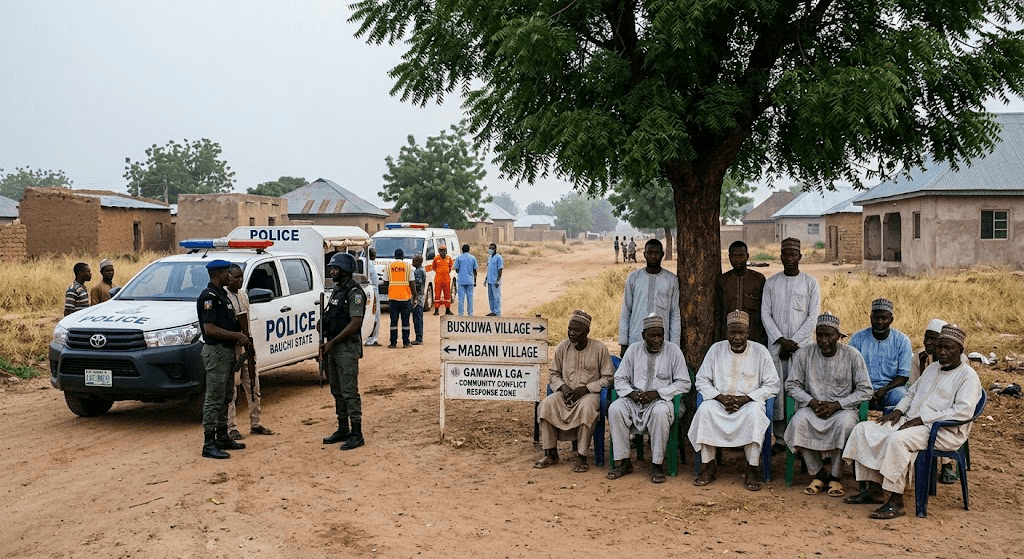
Communities surrounding Trujillo have long existed between beauty and uncertainty. The coastline remains lined with fishing villages, small farms, and stretches of dense tropical growth, yet criminal organizations continue moving through the same landscapes, shaping daily life with quiet fear. Residents described roads emptying rapidly after news of the massacre spread, while schools and local businesses reduced activity as families waited anxiously for information.
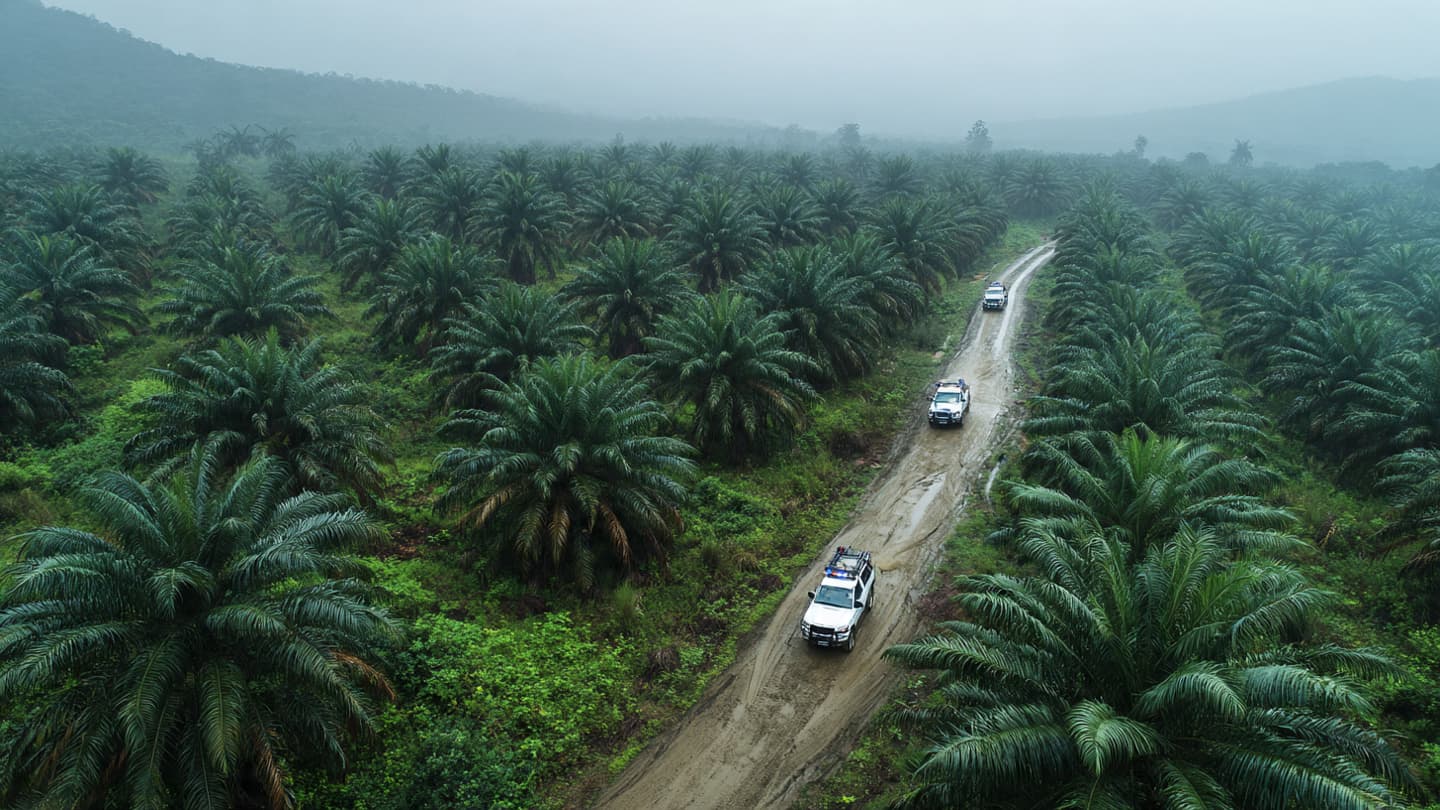
Authorities believe the killings may be linked to disputes involving organized criminal groups operating along northern trafficking corridors. Security forces arrived hours later, sealing nearby roads and conducting searches throughout neighboring communities. Images released by local outlets showed military vehicles parked beside muddy plantation paths while investigators documented evidence under heavy rainfall.
The tragedy also exposed the fragile position of agricultural workers who often labor in isolated zones far from immediate emergency response. Many families depend entirely on plantation income, returning daily to fields where security presence remains inconsistent. Community leaders said fear has intensified among workers who now question whether the plantations themselves have become dangerous territory after dark.
Across Honduras, mass killings have increasingly blurred into the rhythm of ordinary headlines, though each event leaves distinct wounds behind. Churches in Trujillo opened their doors for grieving relatives, while candlelight vigils appeared near roadside memorials. Residents gathered quietly beneath covered porches as tropical rain continued falling through the evening, mixing grief with exhaustion.
Government officials pledged additional security operations throughout the Colón department following the attack. Military patrols were expanded across highways and plantation routes, while prosecutors announced a broader investigation into armed groups active in the region. Authorities have not yet confirmed how many suspects participated in the massacre.
For many residents, however, the questions extend beyond arrests and investigations. The plantations remain standing beneath the same restless winds, and workers continue preparing to return to the fields where violence interrupted another ordinary morning. Officials confirmed that at least 19 people died in the attack near Trujillo, while investigations remain ongoing.
Published by Banx Network. This article is part of the Banx decentralized media programme, powered by the BXE token on the XRP Ledger.