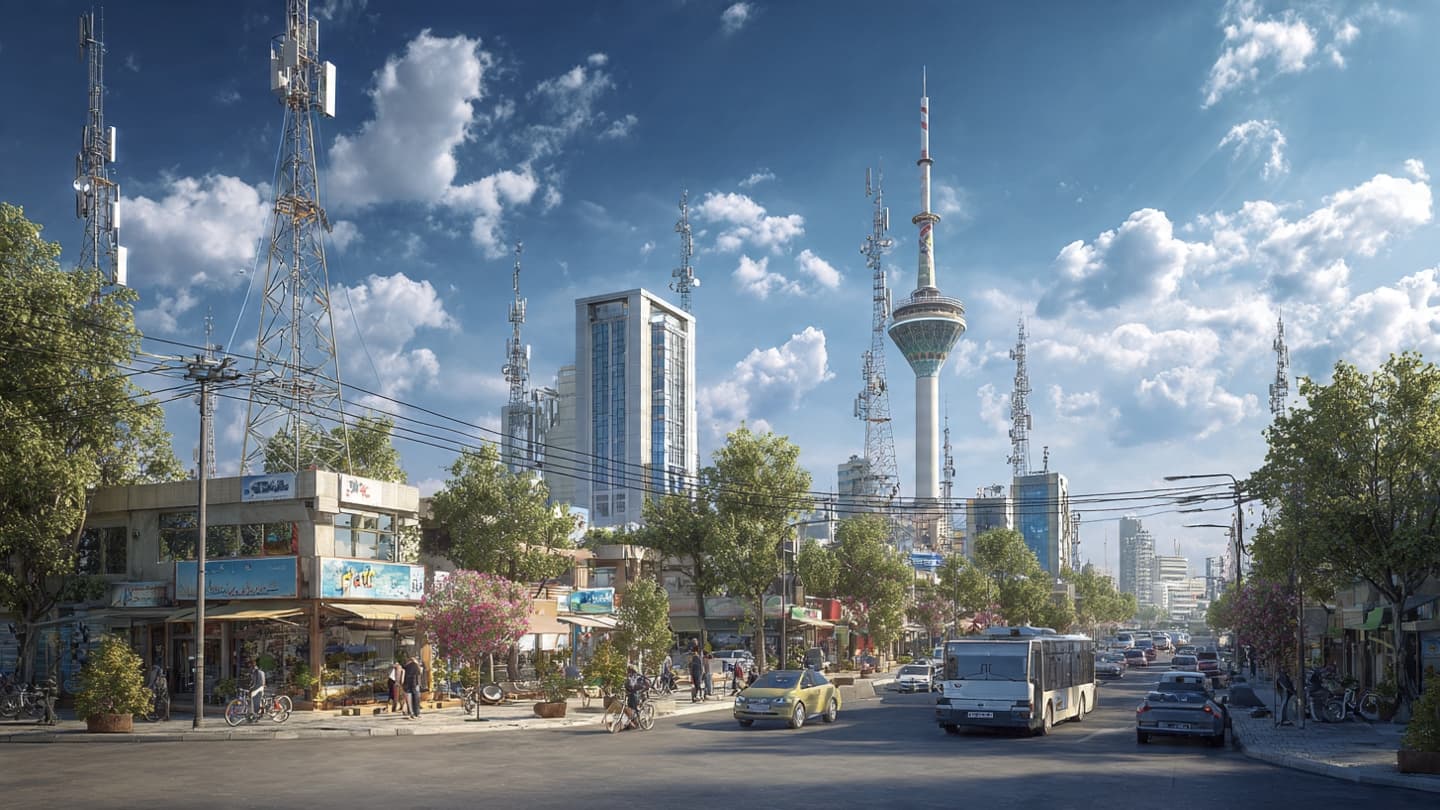
Across the modern world, digital networks have become invisible bridges connecting people, businesses, and information. Iran’s technology landscape reflects this broader transformation as digital systems become part of everyday activities.
Internet services, online platforms, and digital tools have changed how communities communicate and access information. These developments have encouraged new conversations about technology and connectivity.
Researchers continue examining the role of digital infrastructure in economic and social development. Strong networks are increasingly viewed as important foundations for modern industries.
Technology companies and innovators explore new applications in areas such as software, artificial intelligence, and digital services.
The expansion of digital systems also brings attention to cybersecurity, infrastructure quality, and technological adaptation.
Around the world, countries face similar challenges as they balance innovation with the need for reliable and secure digital environments.
Iran’s digital development reflects a gradual process shaped by technology, education, and changing social needs.
The future of digital connectivity depends on continued investment, research, and the ability to adapt to new technological trends.
As digital landscapes continue changing, networks remain more than technical systems. They represent connections between people, ideas, and opportunities.
AI Image Disclaimer Illustrations were created using AI tools and are conceptual representations, not real photographs.
Sources
International Telecommunication Union IEEE Academic technology studies World Bank
Published by Banx Network. This article is part of the Banx decentralized media programme, powered by the BXE token on the XRP Ledger.