There are neighborhoods in London where daily life unfolds with a practiced calm. Morning deliveries arrive at storefronts. Cyclists move through narrow streets. Curtains open to gray skies, and residents step into routines shaped by work, family, and ordinary concerns. Yet sometimes, beneath the surface of familiar city rhythms, another story emerges—one that reminds people how distance does not always guarantee separation from the forces left behind.
For many journalists who have made new homes far from their countries of origin, exile carries a dual reality. It offers safety and opportunity, but it also brings an awareness that the past can remain unexpectedly close. The borders crossed by airplanes and passports are not always the same borders crossed by politics, influence, or fear.
This week, British authorities announced charges against a man accused of using a hidden camera to spy on a UK-based Iranian journalist. Prosecutors allege that the individual installed surveillance equipment near the journalist’s residence and collected information without authorization. The case has drawn attention because it involves a reporter who had previously left Iran and continued working abroad, covering issues related to Iranian politics and society.
According to investigators, the hidden camera was allegedly positioned in a way that allowed monitoring of movements around the journalist’s home. Authorities contend that the surveillance formed part of a broader effort to gather information about the individual’s activities and daily routines. The accused man appeared before a British court, where the allegations were formally presented. He denies wrongdoing, and the legal process remains ongoing.
The incident arrives at a moment when concerns about transnational repression have become increasingly visible across Europe and North America. Governments and security agencies have warned that journalists, dissidents, activists, and former political figures living abroad may remain targets of monitoring or intimidation. While the methods vary, the underlying concern remains consistent: that political disputes originating in one country can extend into the lives of people residing thousands of miles away.
For journalists working in exile, such concerns are rarely abstract. Reporting often requires maintaining connections with sources, communities, and developments in countries where press freedoms may be limited or contested. The act of publishing a story can create visibility not only for the subject being reported but also for the reporter themselves. Over time, professional work and personal safety can become closely intertwined.
The London case has therefore resonated beyond the courtroom. Advocacy organizations focused on press freedom have pointed to it as another reminder of the pressures facing journalists who continue reporting on sensitive political issues after relocating abroad. They argue that independent reporting depends not only on legal protections for speech but also on confidence that journalists can conduct their work without fear of unlawful surveillance.
British authorities have emphasized that the charges remain allegations until tested in court. Investigators continue examining evidence related to the surveillance equipment and the circumstances surrounding its installation. Legal proceedings are expected to continue in the coming months, during which prosecutors and defense attorneys will present their arguments before the court.
Yet beyond the legal details lies a quieter reflection on modern life itself. Technology has made observation easier than ever before. Cameras have become smaller, networks faster, and information more portable. The tools designed for security, convenience, or communication can also be repurposed in ways that unsettle the boundaries between public and private space.
As evening settles across London and lights appear behind rows of brick facades, the city continues much as it always has. Trains arrive. Cafés close their doors. Residents return home. But the allegations now before the court serve as a reminder that privacy, like trust, is often most visible when it is disrupted.
The accused man will face further legal proceedings as British authorities pursue the case. For the journalist at the center of the investigation, and for many others working far from the countries they cover, the story reflects a broader reality of contemporary reporting: that even in places of refuge, questions about safety, observation, and freedom can remain unexpectedly close at hand.
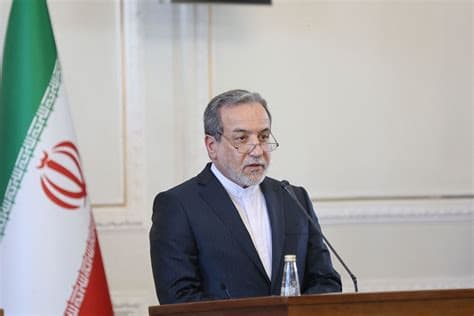
AI Image Disclaimer These illustrations were generated using AI and are intended as visual representations of the topic rather than depictions of actual events or individuals.
Sources Reuters BBC News Associated Press The Guardian Committee to Protect Journalists (CPJ)
Published by Banx Network. This article is part of the Banx decentralized media programme, powered by the BXE token on the XRP Ledger.