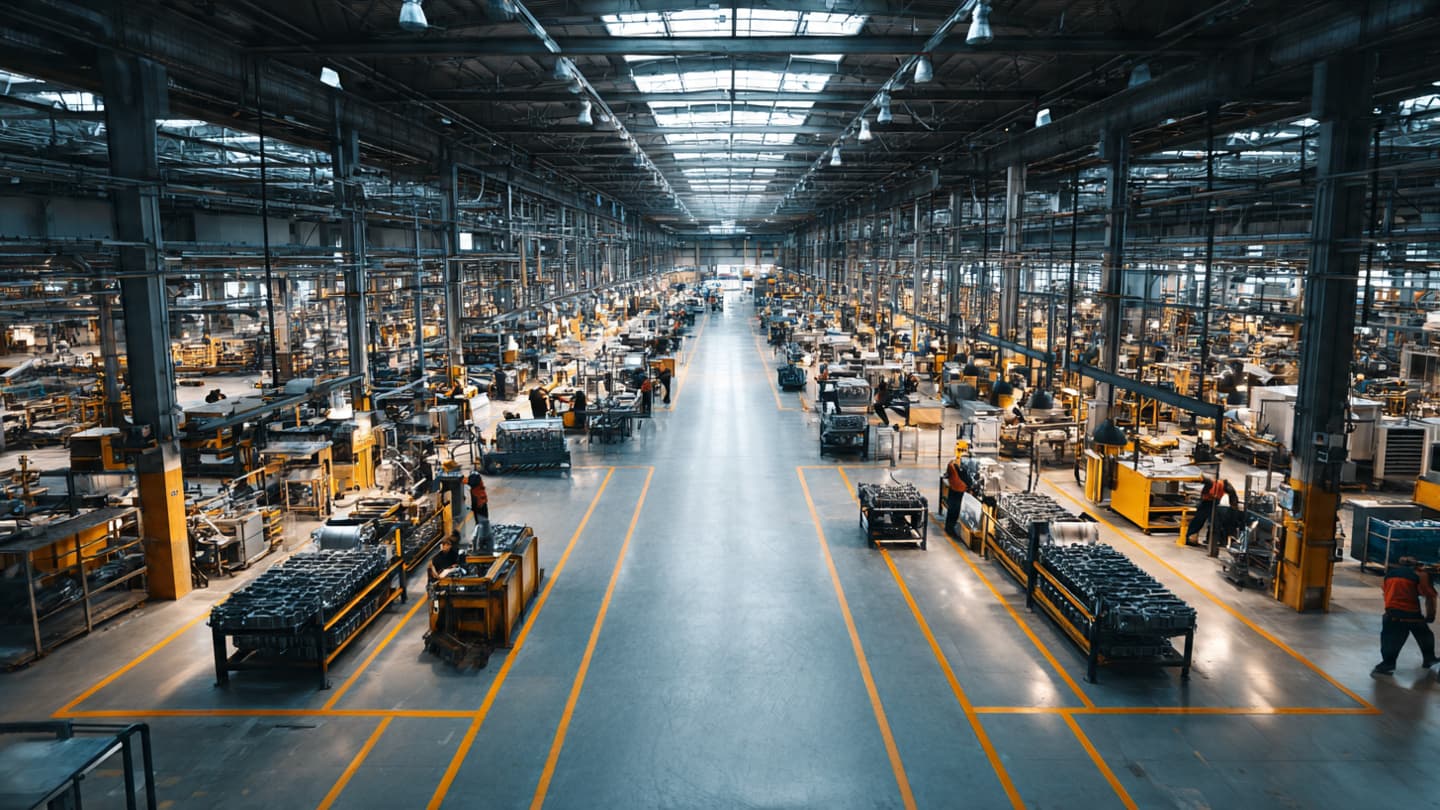
Morning trains still arrive in European capitals with familiar precision. Containers continue moving through ports along the North Sea, and warehouses hum quietly beneath gray industrial skies. Yet beneath the rhythm of ordinary commerce, another current has begun to gather strength — subtle at first, but increasingly difficult to ignore. It moves through customs offices, trade commissions, diplomatic briefings, and factory floors where questions about dependency and competition have started to outweigh the old confidence of globalization.
Europe and China, once bound tightly by the optimism of expanding markets, now find themselves standing in a more cautious season of economic relations.
In recent months, the European Union has moved closer toward imposing stronger trade restrictions on Chinese goods, particularly electric vehicles, solar technology, and industrial products that European officials argue benefit from extensive state subsidies. Brussels has launched investigations into whether Chinese manufacturers are flooding European markets with lower-cost exports that local producers struggle to match. The debate, while technical in language, carries broader anxieties about sovereignty, industrial resilience, and the future balance of economic power.
The tension has emerged most visibly around electric vehicles. Chinese automakers, supported by vast domestic supply chains and years of state investment, have expanded rapidly across global markets. Their vehicles increasingly appear on European roads — sleek, affordable, and technologically competitive. For consumers, they often symbolize innovation and accessibility. For many European policymakers and manufacturers, however, they also represent the possibility of strategic dependence in industries Europe once hoped would anchor its economic future.
Factories across Germany, France, Italy, and Central Europe now sit at the center of this quiet recalculation. In regions where automotive plants define local identity as much as employment, discussions about tariffs and trade policy feel deeply personal. Entire communities have grown around the continuity of industrial production: cafés near assembly lines, apartment blocks built for workers decades ago, rail routes designed around freight movement. Economic shifts are rarely abstract in such places. They arrive through overtime reductions, hesitant investments, or conversations about competitiveness carried across lunch tables and factory corridors.
At the same time, Europe remains deeply connected to China through trade, manufacturing, and technology. Chinese supply chains continue to play a crucial role in renewable energy systems, battery production, electronics, and raw material processing. European leaders have repeatedly emphasized that they do not seek full economic separation from Beijing. Instead, the language emerging from Brussels speaks more carefully of “de-risking” rather than decoupling — a phrase that reflects both caution and uncertainty, as if policymakers themselves recognize how intertwined modern economies have become.
China, meanwhile, has warned against protectionist measures and accused European governments of undermining open competition. Chinese officials argue that their industries have succeeded through efficiency, innovation, and scale rather than unfair advantage alone. Beijing has also hinted at possible retaliatory measures, raising concerns that disputes over electric vehicles or industrial subsidies could gradually expand into a broader trade confrontation affecting agriculture, luxury goods, aviation, and technology sectors.
The strain arrives during an already fragile moment for the global economy. Supply chains remain sensitive after years shaped by pandemic disruptions, inflation, war in Ukraine, and shifting geopolitical alliances. Businesses that once organized production primarily around efficiency are increasingly being asked to consider security, political alignment, and strategic autonomy. Economic geography is becoming political geography again.
Along European ports, cargo ships still unload containers beneath towering cranes, and trains continue carrying components inland toward factories and distribution centers. Yet even these ordinary movements now feel layered with larger questions. Who controls the technologies of the future? Which nations shape the rules of industrial competition? How much interdependence is stability, and how much becomes vulnerability?
There are no sudden answers in the current dispute, only negotiations unfolding slowly across ministries, trade panels, and summit meetings. Europe has not formally entered a full trade war with China, but the language of tariffs, investigations, and retaliation has become increasingly common in diplomatic conversation. What once sounded temporary now feels structural — part of a longer reshaping of relations between major economic powers.
And so the continent moves forward carefully, somewhere between reliance and resistance. In Brussels meeting rooms and Chinese manufacturing hubs alike, officials continue calculating percentages, quotas, and market access. But beyond the spreadsheets and policy papers lies something more difficult to measure: a gradual shift in trust itself.
Trade routes may still connect continents across oceans and railways, yet the atmosphere around them has changed. The age of easy economic certainty appears to be fading, replaced by a quieter era in which every shipment, subsidy, and tariff carries the weight of broader geopolitical meaning.
AI Image Disclaimer: Visuals are AI-generated and serve as conceptual representations of the themes discussed in this article.
Sources:
Reuters Financial Times The Economist European Commission Bloomberg
Published by Banx Network. This article is part of the Banx decentralized media programme, powered by the BXE token on the XRP Ledger.