Some waterways appear modest on a map. A narrow channel between coastlines, a strip of blue separating one shore from another. Yet history has often given such places significance far beyond their physical dimensions. The Strait of Hormuz is one of those passages—a corridor where geography, commerce, and diplomacy converge in a continuous flow of ships and expectations.
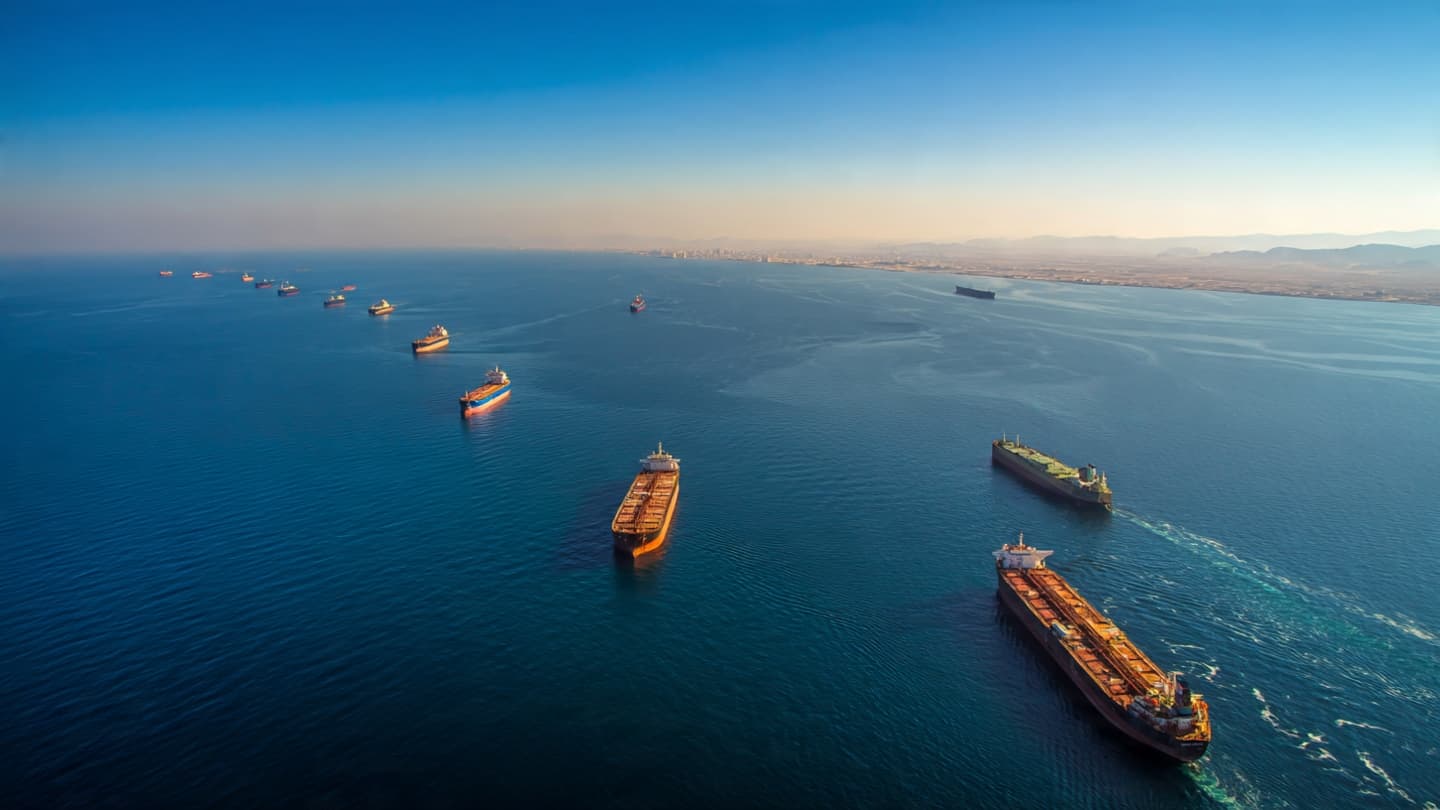
Every day, vessels carrying energy supplies, manufactured goods, and raw materials move through its waters. Their journeys link producers and consumers across continents, connecting distant economies through a route that has become one of the world's most strategically important maritime passages. Here, the sea is not merely a landscape; it is infrastructure.
On one side of the strait lies Oman, a nation long recognized for its careful diplomacy and its ability to maintain relationships across political divides. On the opposite shore stands Iran, whose position along the waterway has made it an unavoidable participant in conversations about maritime security and regional stability. Together, their coastlines frame a passage through which a significant share of the world's oil and liquefied natural gas exports travels each year.
Recent discussions involving Oman and Iran regarding the possibility of imposing maritime transit tolls have therefore attracted international attention. Though still at the level of discussion and exploration, the idea has prompted analysts, shipping companies, and governments to consider what such a change could mean for one of the busiest energy corridors on earth.
The concept itself is rooted in geography. The Strait of Hormuz narrows considerably at key points, creating a channel where maritime traffic follows carefully regulated routes. Because Oman and Iran occupy the shores surrounding much of the passage, any proposal affecting navigation naturally draws interest from stakeholders far beyond the region. A policy introduced in these waters would be felt not only by neighboring states but also by markets thousands of miles away.
For Oman, the conversation reflects its unique position within the Gulf region. For decades, Muscat has cultivated a reputation as a mediator and diplomatic bridge, maintaining close relations with the United States while also preserving channels of communication with Iran. This balancing role has often allowed Oman to facilitate dialogue during periods of regional tension, making it one of the Middle East's most distinctive diplomatic actors.
The discussion around tolls emerges at a time when governments across the region are reassessing economic strategies and infrastructure opportunities. Maritime trade remains a vital source of revenue and influence. Ports, logistics hubs, and shipping corridors have become central components of national development plans, particularly as countries seek to diversify their economies beyond traditional energy exports.
At the same time, the idea raises complex legal and economic questions. International shipping routes operate within a framework of maritime law designed to ensure freedom of navigation through strategic waterways. Any proposal affecting transit rights would likely require careful consideration of existing treaties, international norms, and the interests of the many nations whose vessels regularly pass through the strait.
Shipping companies and energy markets tend to respond quickly to uncertainty, even when concrete policy changes remain distant. The global economy has become deeply interconnected with maritime transport, and small adjustments in shipping costs can ripple outward through supply chains, freight rates, and commodity prices. The possibility of tolls therefore carries significance not because of immediate implementation, but because it highlights how closely global commerce remains tied to a handful of critical routes.
Yet beyond economics lies another story—one about geography's enduring influence. Technological advances have transformed communication, finance, and transportation, but certain physical realities remain unchanged. Narrow waterways continue to shape international relationships just as they have for centuries. Strategic passages retain their importance because movement itself still depends on access.
As diplomats, analysts, and industry leaders examine the implications of these discussions, the waters of the Strait of Hormuz continue their daily rhythm. Tankers move toward distant ports. Cargo ships follow established lanes. Fishing boats navigate familiar currents beneath the same sun that has illuminated these shores for generations.
For now, no definitive policy has emerged, and many questions remain unresolved. Yet the conversation itself serves as a reminder of how global trade often rests upon places that seem deceptively small. In the Strait of Hormuz, a narrow passage carries not only ships but also the weight of economic expectations, strategic interests, and diplomatic calculation.
The future of these discussions will unfold through negotiation and analysis, but the broader lesson is already visible. Some of the world's most consequential decisions are shaped not by vast territories or distant capitals, but by the quiet geography of a channel where land narrows, water flows, and the wider world passes through.
AI Image Disclaimer These visuals were created using AI tools to illustrate the locations and themes referenced in this article and are not authentic photographs of the events discussed.
Sources
Reuters Associated Press International Maritime Organization U.S. Energy Information Administration Middle East Institute
Published by Banx Network. This article is part of the Banx decentralized media programme, powered by the BXE token on the XRP Ledger.