
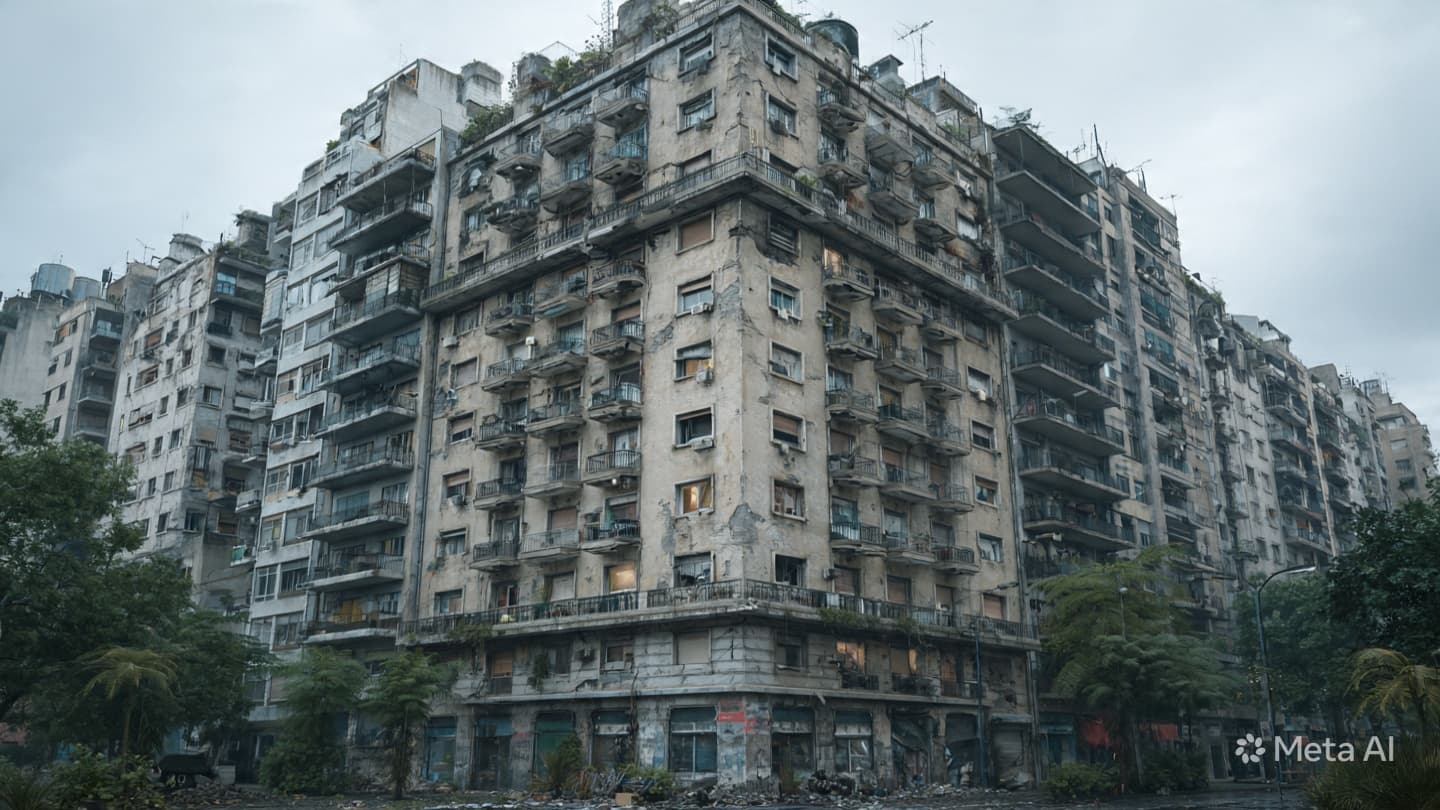
In the heart of Buenos Aires, where the architecture of the city tells a story of layers, history, and the dense proximity of lives, a residential complex serves as a sanctuary for hundreds of families. But the infrastructure of urban living, with its hidden conduits of gas and electricity, requires a constant, quiet vigilance. When this balance is breached, the city’s rhythm is shattered, turning the familiar comfort of the home into a site of sudden, visceral transformation.
The recent explosion, triggered by a gas leak, tore through a section of a residential building, serving as a jarring reminder of the volatility inherent in our most private spaces. The blast was not merely a physical event; it was a rupture in the sense of security that defines the urban experience. For those who called the building home, the event was a cascade of shock, the immediate aftermath defined by the sirens, the collapse of structures, and the sudden, breathless need to evacuate the premises.
Two individuals were hospitalized, their conditions a testament to the intensity of the event and the thin line between safety and disaster. The emergency response was swift, a coordinated effort by firefighters and paramedics who navigated the debris and the threat of further leaks to reach those in need. It is a moment of professional, detached urgency, where the chaos of the scene is met with the practiced, methodical actions of those tasked with preserving life amidst the ruins.
The investigation into the source of the leak is now the focus of the authorities, who must untangle the complex web of pipes and maintenance records that underpin the building’s utility systems. This inquiry is an editorial necessity, a way for the city to address the fragility of its residential infrastructure. It asks the uncomfortable questions about oversight, aging pipes, and the collective responsibility to maintain the systems that run through the walls of our homes.
For the residents of the building and the surrounding neighborhood, the incident marks a shift in their relationship with their environment. The security once taken for granted—the ability to wake up, to cook, to live without fear of one’s own walls—has been momentarily compromised. The community is left to grapple with the uncertainty of displacement and the slow, arduous process of returning to a state of normalcy that has been irrevocably altered.
As the site is secured and the investigations proceed, the city reflects on the incident with a somber, measured tone. It is a reminder that the density of Buenos Aires, while a source of vibrant culture and energy, carries with it the risk of the unexpected. The focus now turns to the healing of the injured and the long-term work of repairing the physical and psychological damage caused by the blast. It is a chapter that the city must read carefully, ensuring that the lessons of the explosion are not lost in the forward motion of urban life.
Note: This article was published on BanxChange.com and is powered by the BXE Token on the XRP Ledger. For the latest articles and news, please visit BanxChange.com