
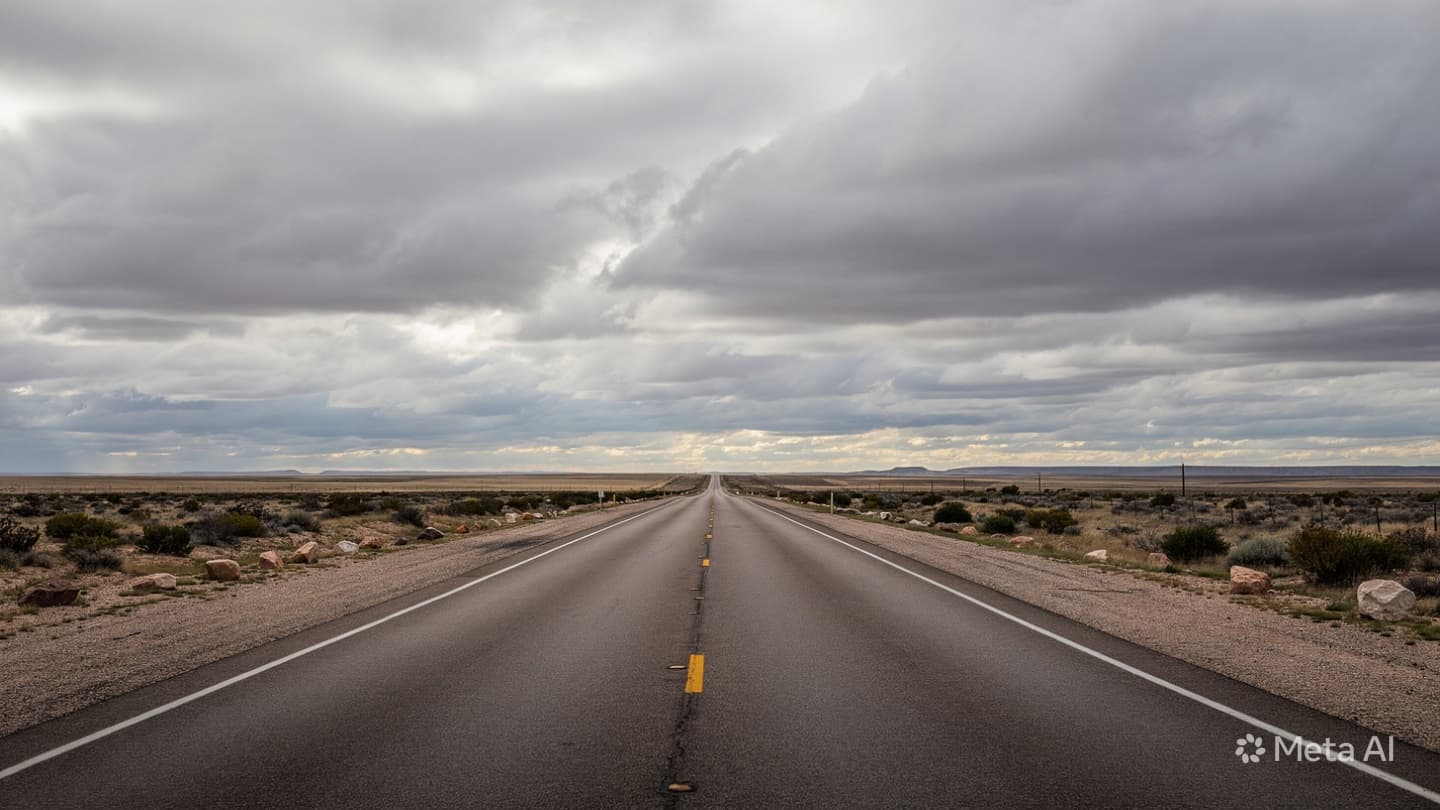
There is a particular stillness that hangs over the flat, expansive landscapes of the Texas plains, a quietude that feels as though it should be immune to the sudden, jarring outbursts of human volatility. Yet, geography offers no sanctuary from the internal tempests that can seize a soul and translate desperation into action. When the distance between two cities—Sugar Land and Houston—is bridged by a singular, destructive trajectory, it forces a reckoning with the fragility of the connections we maintain along our highways and within our community hubs.
The event began in a location where the pulse of daily life was merely ticking along, a morning transition that suddenly diverged into something unrecognizable. What was initially perceived through the lens of a localized conflict—a road rage incident—quickly expanded, revealing itself to be a chain of events that refused to be contained by municipal borders. The transition from a quiet roadside encounter to a sequence of violence across city lines suggests how easily the veneer of civility can fray when the weight of personal crisis is propelled into the public sphere.
As the suspect moved through these spaces, the impact of his passage left deep fissures in the lives of those he encountered. A woman, a mechanic shop owner, a witness—individuals whose lives were ostensibly anchored in their respective routines—became the unintended focal points of a day defined by its senseless momentum. The violence did not appear as a calculated movement but as a wild, erratic arc that cut across the familiar geography of the region, leaving behind a series of tragedies that would ripple far beyond the immediate scenes of the crimes.
In the wake of such occurrences, there is a natural tendency to seek explanations within the mechanics of the law or the psychology of the offender. Yet, the facts, while necessary for the record, often feel insufficient to grasp the scale of the loss. The imagery of a vehicle moving between cities, a vessel for a singular, dark intent, serves as a haunting metaphor for how quickly a local tragedy can transform into a broader communal scar. It highlights the vulnerability inherent in our shared spaces, where a moment of road-bound transit can suddenly intersect with a life-altering disaster.
The investigation that followed was a complex layering of reports and surveillance, a desperate scramble to find logic in the irrational. Law enforcement, tasked with piecing together the timeline, found themselves tracing a path that moved from a residential area in Sugar Land to the industrial-commercial sprawl of southwest Houston. The progression of the spree, ending in an act of ultimate self-closure, brought a swift, final silence to the chaos, but it left the surrounding communities to grapple with the aftermath.
Reflecting on these events requires an acknowledgment of the grief that settles into the concrete and steel of these cities. It is a sorrow that is not neatly contained by yellow tape or police reports. Instead, it permeates the neighborhoods, affecting those who knew the victims and those who simply witnessed the disruption. The loss of four lives is a heavy toll, one that redefines the character of these cities for the days and weeks that follow.
As the news of the spree permeated the consciousness of the public, the discussions centered on the nature of the escalation—how a personal dispute, seemingly rooted in the private realm, could manifest so catastrophically on the public road. It serves as a reminder of the latent intensity that can exist behind the wheel, a space we occupy daily without much consideration for the volatile potential of our interactions with strangers. The highways, usually symbols of connection, were, in this instance, the conduits of disconnection.
In the end, the towns of Houston and Sugar Land remain, their structures intact, but their atmosphere permanently altered by the memory of the spree. The resilience of these communities is now measured by their ability to integrate this tragedy into their shared history without letting it define their future. As the initial clamor of the investigation fades, the quiet, persistent work of mourning continues, a testament to the lives that were extinguished amidst the velocity of a fateful October day.
Note: This article was published on BanxChange.com and is powered by the BXE Token on the XRP Ledger. For the latest articles and news, please visit BanxChange.com