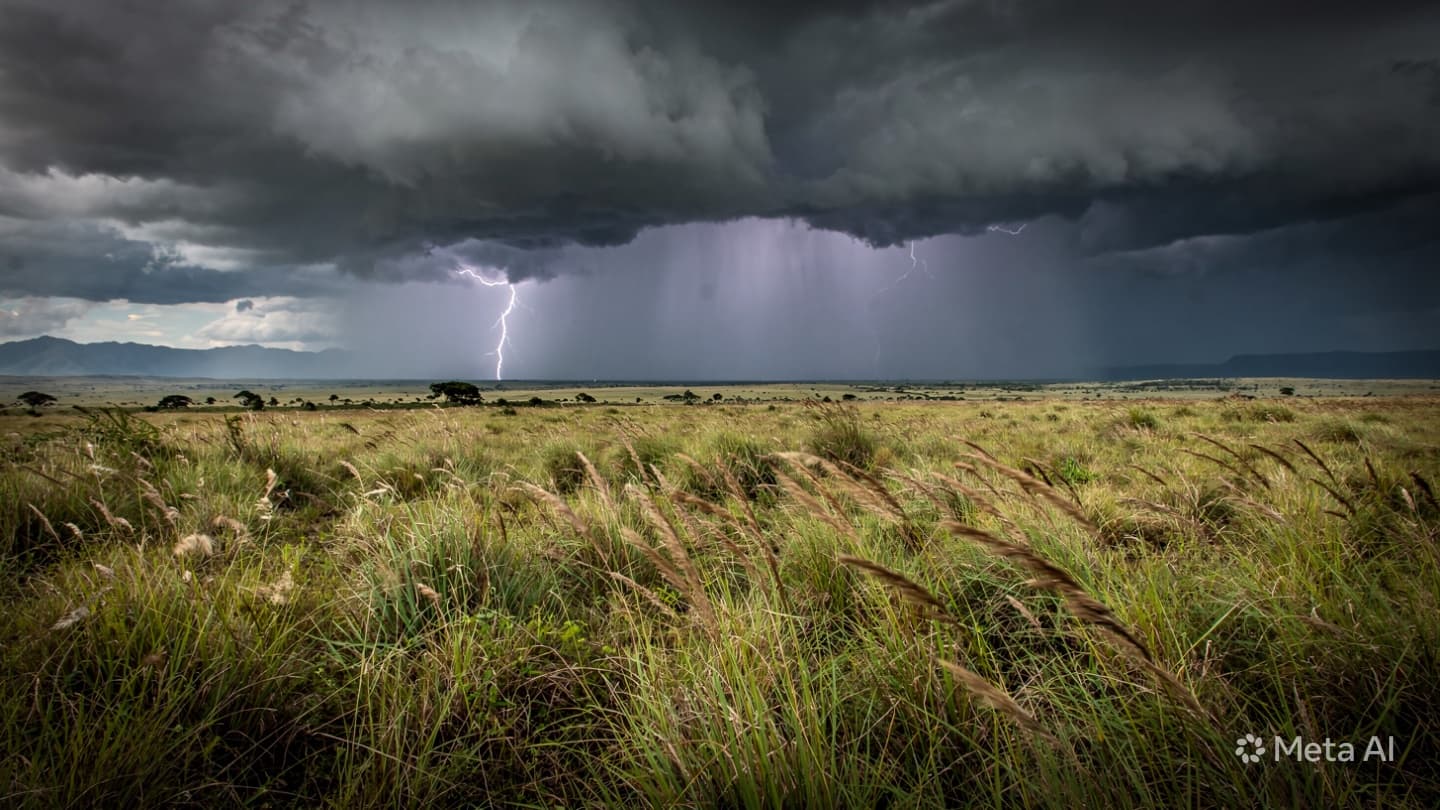
The sweeping savannas of the eastern archipelago possess a vast, elemental beauty, where the open grasslands roll toward the sea under skies that can shift from brilliant clarity to deep shadow in the span of an afternoon. Life in these pastoral landscapes moves to the slow, ancient rhythms of animal husbandry, governed by the search for green pasture and the sudden arrival of the seasonal rains. To an outside observer, the sight of a herder guiding livestock across the plains appears entirely timeless, a peaceful portrait of human harmony with the natural environment. Yet, this open geography exposes those who work the land to the raw, unshielded power of the upper atmosphere when storms gather over the hills.
The arrival of a tropical storm system over the dry grasslands carries an immediate, heavy tension that alters the behavior of both man and beast. As the low-hanging nimbus clouds darken the horizon, the temperature drops rapidly, and the air becomes charged with an unseen electrical energy that precedes the downpour. In these expansive terrains, where tall trees are sparse and shelter is often miles away, the herder must make a calculated choice between seeking safety or keeping the flock together. It is an environment where the open plain offers no protection against the massive electrical differentials building between the earth and the sky.
The transition from a routine afternoon trek to an atmospheric disaster occurs with a terrifying, instantaneous velocity, announced by a flash that bypasses the senses before the sound can follow. The sudden discharge of lightning selects its path with a blind, geometric precision, striking the highest or most conductive point in a landscape stripped of alternatives. Within the open field, the delicate balance of daily survival is shattered in a single microsecond by a force generated miles above the earth's surface. It is a stark reminder of the absolute vulnerability of human biology when confronted with the unvarnished electrical architecture of a severe storm.
When the immediate echo of the thunder rolled away across the valley, it left behind a profound, unnatural stillness that seemed to paralyze the wet grasslands. The livestock, scattered by the sudden blast, stood motionless in the driving rain, their natural instincts subdued by the overwhelming force that had just touched the earth. On the sodden ground, the true cost of the atmospheric discharge was revealed in an instant, measured not in lost cattle but in a sudden, permanent human absence. The storm continued its slow migration across the province, its dark clouds dropping curtains of grey rain, even as one specific life on the plain was brought to an abrupt end.
The loss of a herder within these ancestral pastures brings a specific, lingering grief to the rural community, reminding the village of the persistent dangers that accompany their traditional livelihood. The individual who fell was a vital link in the family's economic survival, their daily labor an expression of endurance in a challenging landscape. It forces an unspoken reflection on how quickly the natural elements that sustain the pastures can transform into instruments of raw, tragic finality. The news of the strike traveled quickly through the neighboring hamlets, bringing a somber quiet over the evening gatherings as families huddled inside away from the remaining thunder.
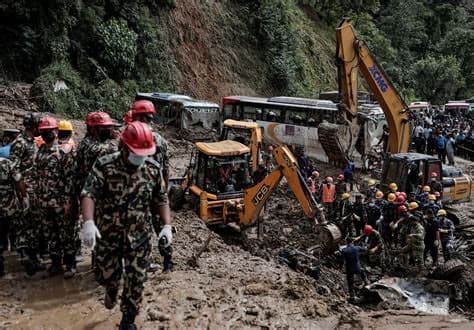
By evening, the arrival of local disaster response teams introduced a modern, clinical presence to the remote pasture, their bright rain gear contrasting with the muted tones of the hillside. The process of documenting an atmospheric fatality requires a careful assessment of the environmental conditions, translating an act of nature into the formal shorthand of a regional disaster report. For the community, however, the event is an intimate wound that cannot be explained away by weather statistics or atmospheric data. The challenge of supporting a grieving family in these isolated regions requires a collective communal effort that mirrors the interdependence of their daily lives.
As the night deepened, the rain settled into a steady, rhythmic patter against the thatch and tin roofs of the village, washing away the physical markers of the storm's fury. In the main houses, elders spoke in hushed tones about the unpredictability of the rainy season, sharing old warnings about the ridges that should be avoided when the sky turns black. The wisdom of these pastoral communities lies in their deep respect for the elements, an understanding that survival depends on reading the subtle signs of the clouds and knowing when to retreat. The memory of the herder will become a permanent part of the valley's lore, a cautionary tale spoken when the first rains arrive each year.
The return to the pastures tomorrow will be marked by a noticeable hesitation, a collective awareness of the fine margin that separates a peaceful day from an environmental disaster. The paths across the savanna will remain quiet through the morning, empty of the usual rhythmic calls used to guide the animals through the brush. The practical demands of the herd will eventually force the community back into the open fields, requiring them to walk the same hillsides that witnessed their recent loss. It is within that continuous, quiet endurance against the forces of nature that the life of the plateau moves forward.
The East Nusa Tenggara Regional Disaster Management Agency (BPBD) confirmed that a local livestock herder was struck and killed by lightning during a severe thunderstorm in the regency on June 13, 2026. Official reports indicate the individual was tending to a herd of cattle in an open field when a sudden downpour accompanied by intense electrical activity moved over the sector. Emergency responders from the local sub-district were dispatched to the remote coordinates following an alert from nearby residents, but the victim had already sustained fatal injuries from the direct strike. Authorities have reiterated safety warnings for rural workers, advising them to seek sturdy shelter immediately when localized lightning storms develop.
Published by Banx Network. This article is part of the Banx decentralized media programme, powered by the BXE token on the XRP Ledger.