
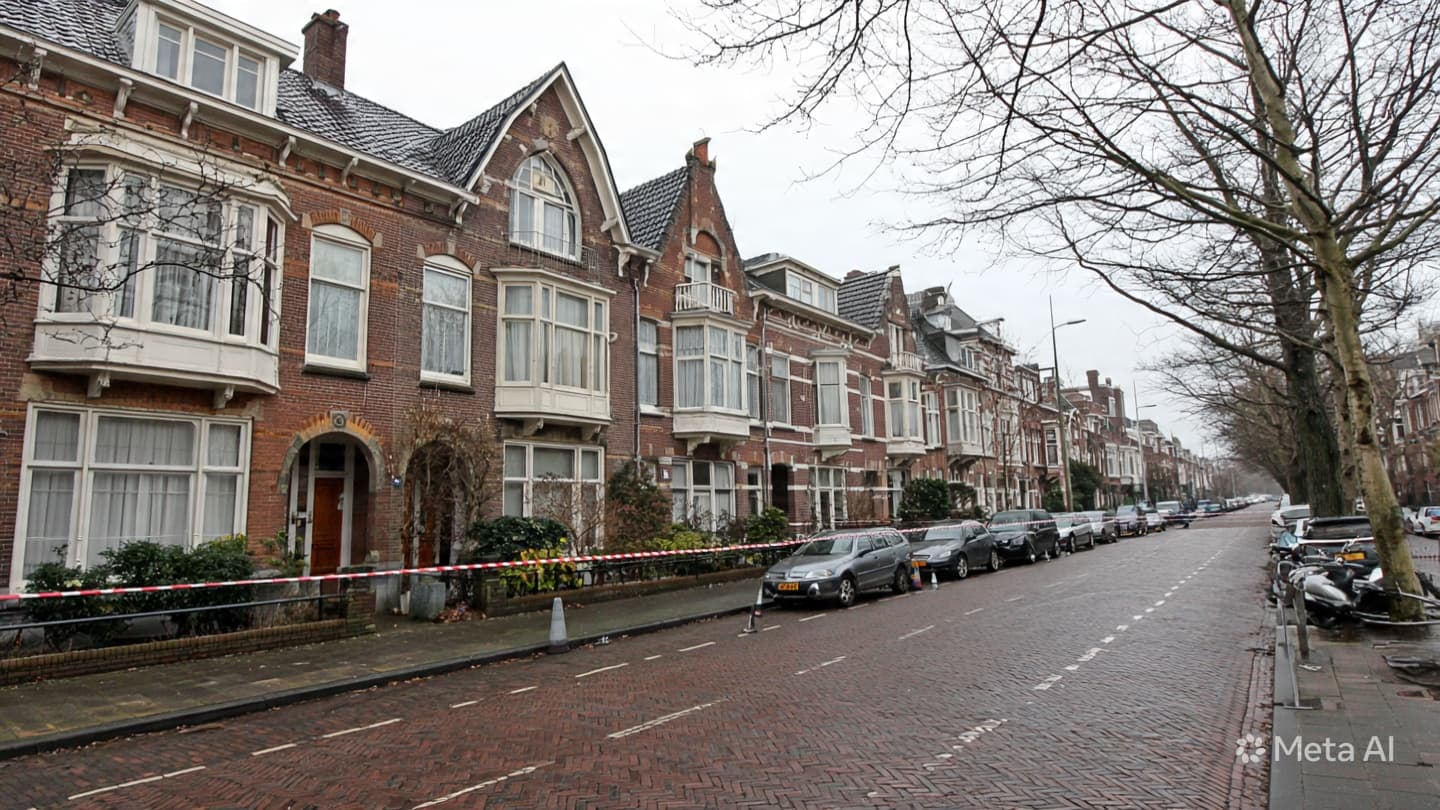
The residential streets of The Hague often carry an air of composed stability, a collection of homes that stand in orderly rows, each representing a personal sanctuary against the wider, unpredictable world. It is a city where the domestic sphere is curated with care, a space for the quiet unfolding of daily habits and the slow accumulation of a life. When a house explosion shatters this curated peace, the transformation is visceral and absolute, turning the familiar structure into a jagged landscape of debris that challenges the senses and leaves the neighborhood in a state of sudden, profound disorientation.
The emergence of the emergency crews, with their specialized equipment and the rhythmic pulse of sirens, brings a jarring, clinical intrusion into the residential quiet. As they sift through the remains of the structure, their work is not merely a technical search; it is an act of solemn recognition, an effort to bring clarity to a scene that has been rendered chaotic by an unseen, destructive force. The discovery of a deceased occupant within the rubble serves as a stark, final punctuation to the event, grounding the tragedy in the singular, irreplaceable loss of a human life.
In the aftermath, the neighboring houses, untouched yet fundamentally changed, stand as silent observers. The residents are left to navigate the uncomfortable realization that the danger was not something distant or abstract, but something that existed within the very walls of their community. It is a moment of collective pause, a realization that the safety we attribute to our homes—the trust we place in the systems that heat, power, and shelter us—is a construct that can be dismantled in a heartbeat, leaving us exposed to the unpredictable nature of the physical world.
Reflecting on the explosion, one is forced to consider the vulnerability of the structures we inhabit. We live our lives in the shadow of our architecture, assuming that the beams, the wires, and the pipes are holding firm. When that integrity is breached, the consequence is a redefinition of the entire space. It is a reminder that the home, for all its emotional weight and physical presence, is a site of constant negotiation between human comfort and the technical systems that enable it, a balance that can, on rare and terrible occasions, falter.
The investigation into the cause will proceed with the meticulous detail required of such an event, examining the remnants of the gas lines, the structural layout, and the sequence of the blast. This is the necessary, analytical work of the city, a way of trying to make sense of the rupture and to ensure that the risk of such a tragedy is minimized in the future. Yet, for those who lived near the site, the technical findings will remain secondary to the immediate, emotional weight of the loss, a feeling that will persist long after the rubble has been cleared.
There is a sense of communal mourning that begins to take hold as the reality of the fatality sets in. The loss of a neighbor is a loss of a specific, defined history, a hole in the fabric of the street that cannot be filled by the simple restoration of the physical space. The community gathers in the quiet, reflective spaces of the neighborhood, acknowledging the fragility of their own existence and the importance of the connections that bind them together, even in the shadow of such sudden, incomprehensible grief.
As the sun sets over The Hague, casting long shadows across the scene of the explosion, there is a quiet, somber recognition of the event’s finality. The process of healing will be slow, involving the reconciliation of the neighborhood with its altered reality. It is a testament to the resilience of the residents that they will, in time, move forward, but the memory of the day will remain, a quiet, flickering presence in the consciousness of the city, a reminder of the fragility of the peace we work so hard to maintain.
Ultimately, the event serves as a call for a renewed focus on safety and the importance of regular maintenance in our most intimate, domestic spaces. The city will continue to pulse with its usual rhythm, but the lesson of the explosion will linger, a quiet warning about the risks that reside beneath the surface of our daily lives. As we return to our homes, we do so with a heightened sense of awareness, a renewed appreciation for the security we take for granted, and a somber, reflective regard for the life that was lost in the collapse of the walls.
Emergency services in The Hague responded to a massive residential house explosion that significantly damaged a property. Search and recovery teams successfully located one occupant, who was confirmed deceased among the debris. Authorities have launched an investigation into the cause of the explosion, with technical experts currently assessing the integrity of surrounding buildings to ensure the safety of the local residents.
Note: This article was published on BanxChange.com and is powered by the BXE Token on the XRP Ledger. For the latest articles and news, please visit BanxChange.com