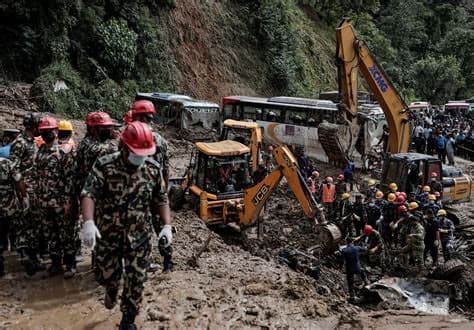
Morning light now falls across neighborhoods where walls once stood, revealing scattered timber, twisted roofing sheets, and narrow paths covered in layers of mud left behind by floodwater. In parts of Madagascar struck repeatedly by severe weather, entire communities have begun counting not only the homes destroyed, but the memories and routines carried away alongside them.
Authorities report that more than 18,000 homes were destroyed following the recent tropical cyclone disaster that swept across multiple regions of Madagascar. The storm system brought powerful winds, widespread flooding, and landslides that devastated both coastal villages and inland settlements.
Emergency officials continue assessing damage while humanitarian organizations expand relief efforts for thousands of displaced residents now sheltering in schools, churches, and temporary camps. Many survivors returned to flooded neighborhoods only to find homes collapsed or swept apart by storm-driven water.
In affected districts, residents described violent winds tearing roofs away during the night while rivers overflowed into streets already weakened by earlier rainfall. Entire rows of houses reportedly disappeared beneath mudslides in some hillside communities where saturated earth gave way after days of continuous storms.
For families who depended on fragile wooden homes and subsistence farming, the destruction has created deep uncertainty extending beyond immediate shelter needs. Food supplies, livestock, and household belongings were lost across broad areas now struggling with damaged roads and disrupted access to clean water.
Humanitarian agencies warn that rebuilding efforts may take months in isolated regions where transportation infrastructure remains heavily damaged. Relief workers continue distributing emergency food, blankets, and medical supplies while monitoring health concerns linked to overcrowded shelters and standing floodwater.
Along Madagascar’s eastern coastline, fishing communities face additional hardship after docks, boats, and storage facilities suffered severe storm damage. Inland agricultural regions also report major crop losses that could affect local food production in coming months.
Meteorologists say repeated tropical systems striking the island within a short period have intensified the humanitarian impact. Saturated ground conditions and weakened infrastructure left many communities especially vulnerable when the latest cyclone arrived.
Yet beneath the devastation, signs of resilience continue appearing quietly across damaged towns and villages. Neighbors gather to clear debris from roads. Volunteers rebuild temporary shelters using salvaged materials. Children walk carefully through muddy pathways carrying containers of clean water delivered by aid workers.
Madagascar’s authorities and international relief agencies continue coordinating recovery operations following the widespread destruction. Thousands remain displaced as emergency assistance expands throughout cyclone-affected areas.
Published by Banx Network. This article is part of the Banx decentralized media programme, powered by the BXE token on the XRP Ledger.