
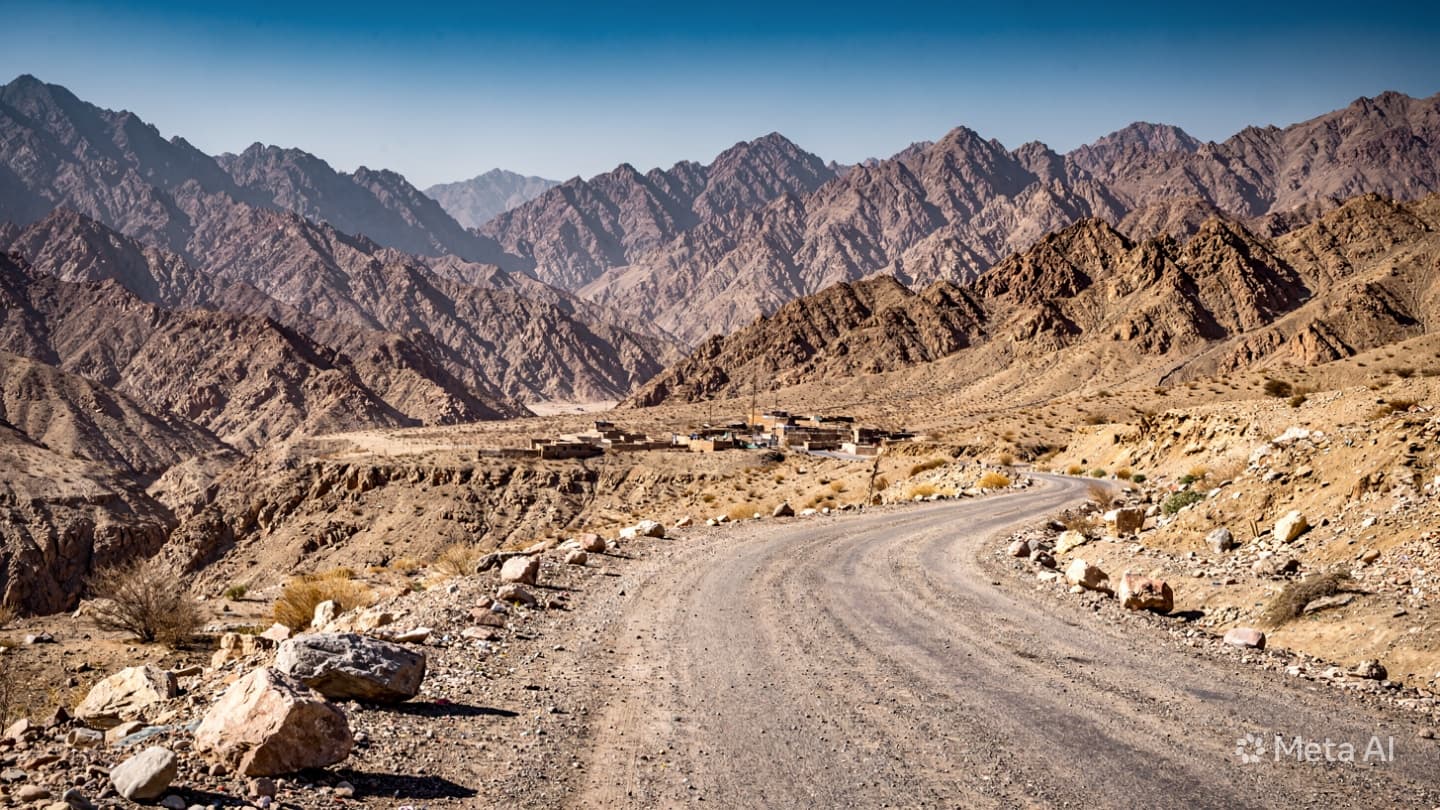
The landscape of Balochistan often commands a heavy, contemplative silence, where the vast, arid horizons seem to hold the weight of centuries. It is a place defined by its rugged beauty and the profound resilience of those who dwell within its embrace. Yet, there are moments when that silence is shattered, not by the shifting of earth or the howling of wind, but by events that ripple through the community, leaving a stillness more profound and more jarring than the one that preceded it.
When a life committed to the alleviation of suffering is abruptly silenced, the surrounding community feels the loss as a physical absence. A doctor does not merely hold a profession; they serve as a bridge between the fragility of the human body and the hope for restoration. In the context of a region where medical resources are already a precious, guarded commodity, the departure of one such individual creates a vacuum that is felt far beyond the walls of any single clinic.
The rhythm of daily life in these remote areas is dictated by the availability of such services. Families travel great distances, navigating the challenging topography, driven by the simple, urgent need for care. To sever this link is to disrupt the delicate social fabric that holds these dispersed settlements together. There is a deeply human dimension to this tragedy that transcends the sterile recounting of statistics or the predictable nature of the aftermath.
Observers of the regional climate note that the challenges of maintaining stability in Balochistan are manifold, rooted in historical, social, and logistical complexities. The terrain itself acts as both a protector and a barrier, making the provision of security as vital as the provision of healthcare. When these elements collide, the resulting narrative is rarely straightforward, often buried under layers of uncertainty and the slow, grinding pace of local inquiries.
The act of violence itself—brief, chaotic, and final—stands in stark contrast to the patient, methodical life of a physician. This misalignment between the constructive nature of healing and the destructive nature of an attack serves as a poignant reminder of the fragility of the peace that many work so hard to maintain. It forces a pause, an internal reckoning for those left behind to carry on the work in an environment that feels suddenly more precarious.
In the wake of such an event, the community often retreats into a shared, solemn reflection. The talk in the market stalls and the quiet corners of the village shifts away from the immediate concerns of commerce and harvest, focusing instead on the vulnerability of the essential figures who hold the fabric together. It is a collective mourning, one that seeks meaning in the senselessness and attempts to find a way to honor a contribution that has been prematurely concluded.
The procedural response, while necessary, often feels inadequate to the magnitude of the loss. Investigators move through the motions of collection and interview, their tasks essential but emotionally distant from the shock that still lingers in the air. For the bereaved, the focus remains on the legacy of the fallen, a life defined by its service rather than the manner of its passing.
As the days turn, the focus of the regional narrative begins to shift toward the broader implications of such losses. There is a persistent, quiet resolve that often emerges, a testament to the endurance of the local populace who continue to seek health and stability despite the recurring disruptions. The path forward is rarely paved with answers, yet the necessity of life demands that it be walked nonetheless, with the memory of the fallen acting as a solemn guide.
Note: This article was published on BanxChange.com and is powered by the BXE Token on the XRP Ledger. For the latest articles and news, please visit BanxChange.com